Trump cuts recommended childhood vaccines from 18 to 11
Trump's executive order cuts the recommended childhood vaccines from 18 to 11, aligning with anti-vaccine groups despite scientific consensus against their claims. Public health experts warn this cou…
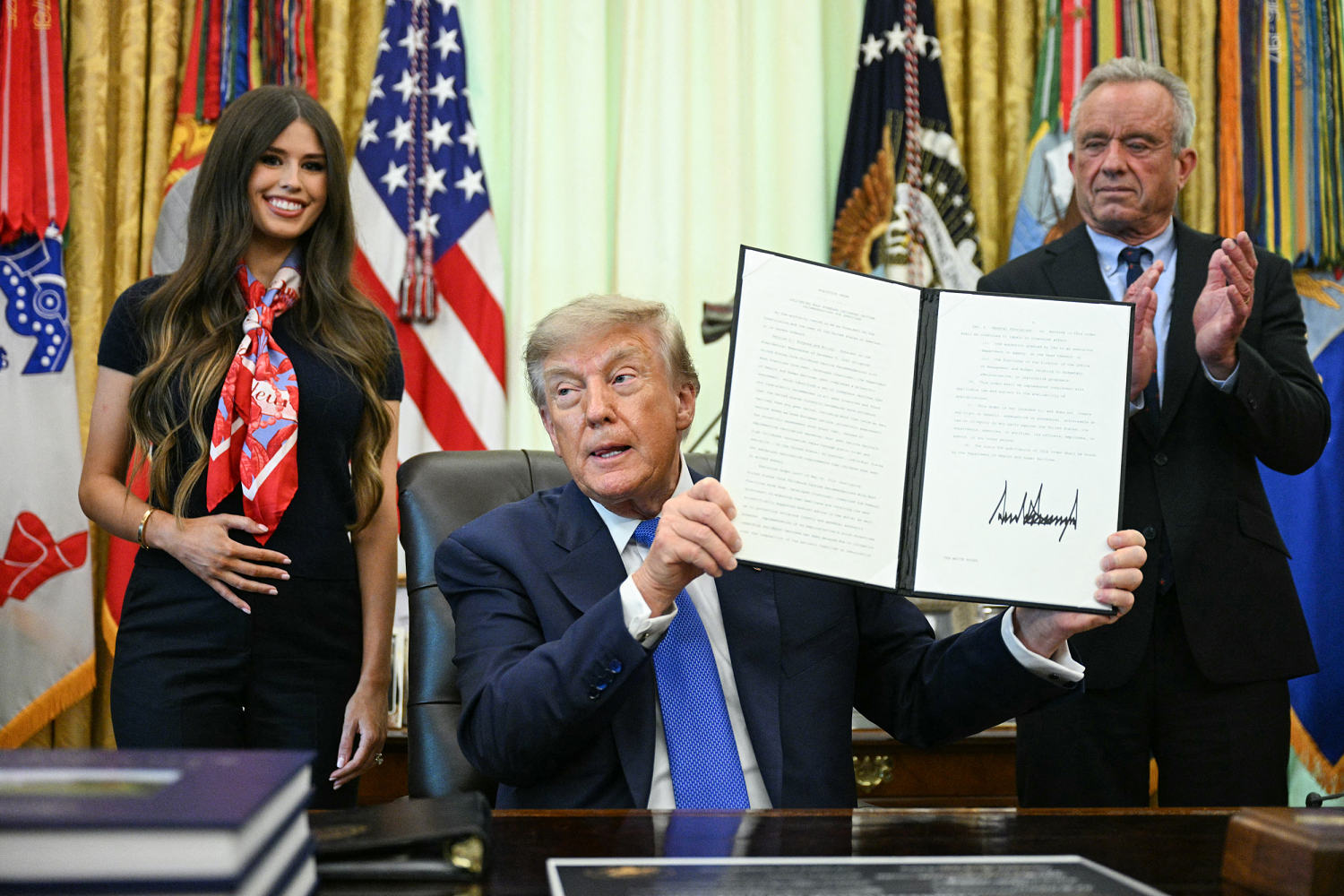
President Donald Trump signed an executive order on Monday reducing the number of recommended childhood vaccines from 18 to 11, a move that aligns with long-standing demands from anti-vaccine activists who argue for fewer mandatory immunizations.
The order follows months of advocacy by groups like Children’s Health Defense, led by Robert F. Kennedy Jr., who has repeatedly claimed that vaccines cause autism and other health problems despite overwhelming scientific consensus disproving those claims. The Centers for Disease Control and Prevention (CDC) currently recommends that children receive up to 18 vaccines by age six to protect against diseases such as measles, polio, and pertussis. The new order directs federal agencies to review and revise these guidelines, potentially scaling back requirements for schools and public health programs.
Public health experts warn that reducing vaccine recommendations could undermine herd immunity, leaving communities vulnerable to preventable outbreaks. The CDC estimates that childhood vaccines prevent 4-5 million deaths globally each year. A 2023 Kaiser Family Foundation poll found that 88% of Americans support school vaccine mandates, reflecting broad trust in medical science. Yet, vaccine hesitancy has been rising, fueled by misinformation and political polarization. Some states, like California, have already loosened exemptions in recent years, while others, like Florida, have moved in the opposite direction under conservative leadership.
The order does not immediately change school or daycare requirements, which are set by states. However, it signals a federal shift toward less aggressive vaccination policies, potentially emboldening anti-vaccine lawmakers. The White House has framed the move as part of a broader effort to reduce government overreach, but critics argue it could reverse decades of progress in public health. The CDC and the Department of Health and Human Services now face the challenge of balancing political pressure with scientific evidence. If the order leads to fewer children being vaccinated, experts predict a rise in preventable diseases, especially in underserved communities with lower immunization rates.
Read Full Story at NBC News →