Trump says Fed chair should ‘do whatever he wants’ but criticizes possible interest rate hikes
President Donald Trump criticized the possibility of the Federal Reserve raising interest rates, but said in an interview on NBC News’ “Meet the Press” that he wants Fed Chair Kevin Warsh “to do what…
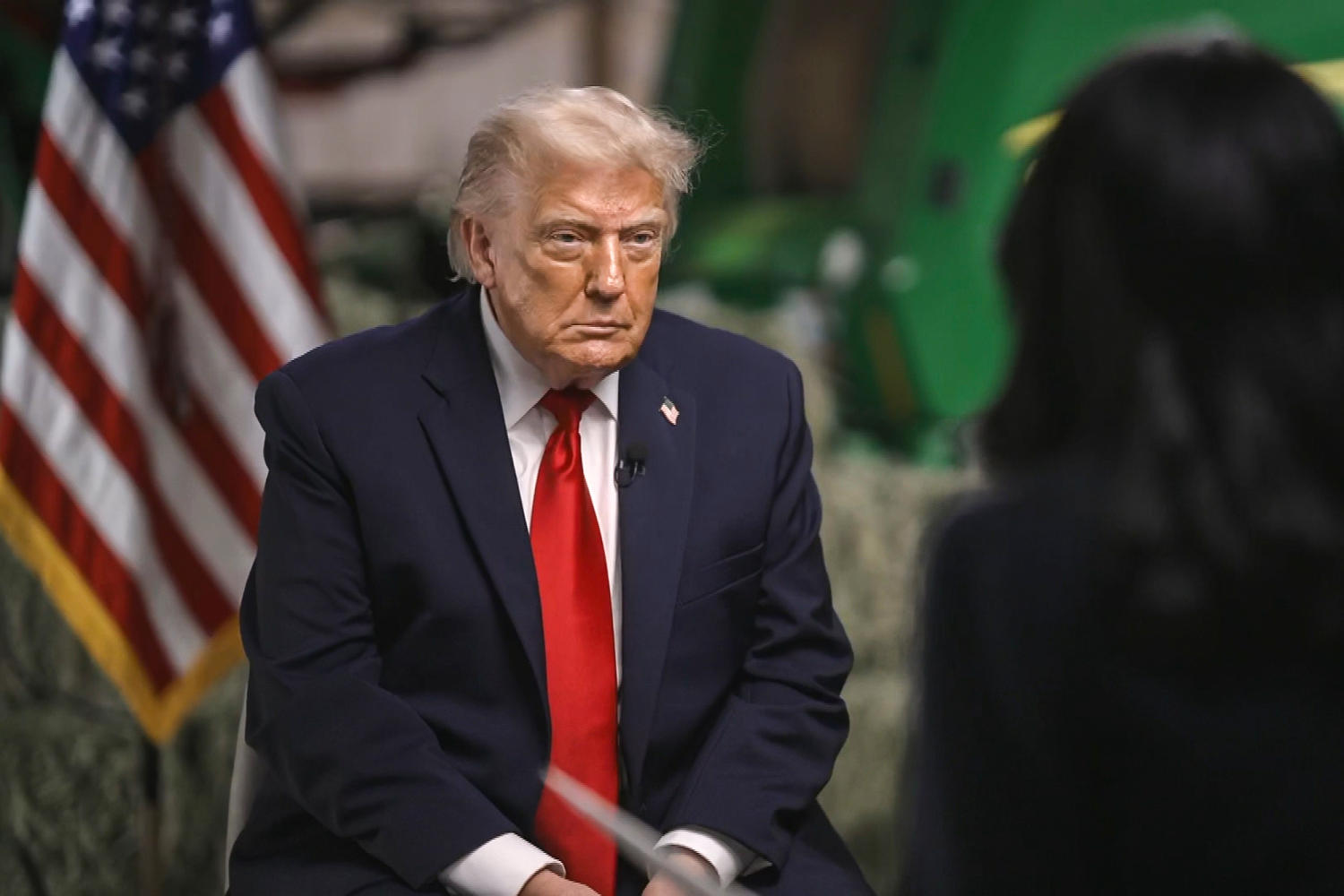
President Donald Trump criticized the possibility of the Federal Reserve raising interest rates, but said in an interview on NBC News’ “Meet the Press
Read Full Story at NBC News →Why This Matters
The tension between presidential influence and central bank independence has resurfaced as Trump publicly pressures the Fed to prioritize growth over inflation control. This dynamic tests the long-standing norms that shield monetary policy from short-term political interference, raising questions about the Fed’s ability to act as an impartial arbiter in economic crises.
Background Context
Since the 2008 financial crisis, the Fed has operated with broad autonomy, a principle designed to prevent governments from exploiting monetary policy for political gain. Trump’s calls for unchecked Fed action—even as he criticizes rate hikes—echo past efforts by other presidents to influence monetary policy, though such direct appeals remain historically rare.
What Happens Next
The Fed’s next policy meeting will serve as a litmus test for whether external pressure can sway its decision-making. If Warsh raises rates despite Trump’s warnings, it could embolden critics who argue the central bank is overstepping its mandate, while inaction might fuel accusations of yielding to political pressure.
Bigger Picture
This episode highlights a growing skepticism toward technocratic institutions, where political leaders increasingly frame economic tools as instruments of power rather than tools for stability. If this trend persists, it could erode public trust in the Fed’s independence, a cornerstone of its credibility since the late 20th century.





