U.S. imposes new sanctions on Iran over Strait threat
Iran threatened to block the Strait of Hormuz, a critical oil route, unless U.S. sanctions are lifted, causing oil prices to rise over 3%. The U.S. responded with new sanctions on Iran's oil exports …
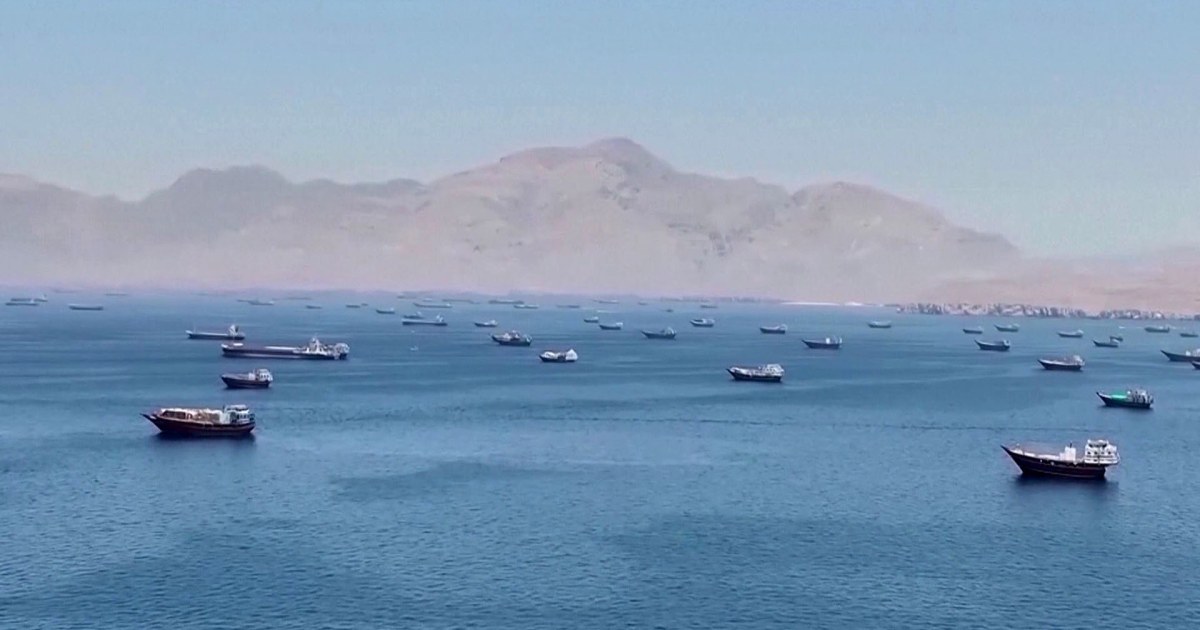
Oil prices jumped after Iran threatened to block the Strait of Hormuz unless the U.S. lifted sanctions, prompting President Trump to say America is “only semi-negotiating” with Tehran. Crude futures rose more than 3% in early trading as traders priced in the risk of a supply shock in the Gulf, where one-fifth of the world’s seaborne oil passes daily. The U.S. responded by announcing new sanctions targeting Iran’s oil exports and Revolutionary Guard officials, widening economic pressure already in place since Trump withdrew from the 2015 nuclear deal in 2018.
The latest escalation follows months of rising tensions after Iran’s proxy forces in Yemen and Iraq stepped up attacks on shipping and regional bases. Iran says it will only reopen the strait—through which 21 million barrels of oil flow each day—if Washington rescinds sanctions that have slashed its oil revenue by about 80% since 2019. Trump’s comment signals frustration with Iran’s hardline stance and suggests the White House sees talks as stalled rather than dead. Analysts warn that any disruption at the strait could push global oil prices above $100 a barrel and trigger energy shortages in Europe and Asia.
U.S. officials confirmed the new sanctions target 27 individuals and entities linked to Iran’s oil trade and military networks. Iran’s foreign minister responded by calling the measures “economic terrorism” and vowed to keep its options open. The European Union, which still backs the nuclear deal, urged restraint but has so far failed to broker a revival of talks. Meanwhile, Saudi Arabia and the UAE have quietly increased oil output to offset potential supply risks, but traders say the market remains vulnerable to sudden shocks.
If Iran follows through on its threats, the U.S. could deploy additional naval forces to the region or expand sanctions to include third-country buyers of Iranian oil. A prolonged shutdown of the strait would force global buyers to reroute shipments around Africa or through the Arctic, adding weeks to delivery times and driving prices higher. For now, both sides appear locked in a standoff, with neither willing to blink first. The next 48 hours could determine whether diplomacy resumes or the standoff escalates.
Read Full Story at NBC News →