Trump demands changes to US-Iran deal
President Trump seeks revisions to the U.S.-Iran ceasefire deal, focusing on stricter control of the Strait of Hormuz and Iran’s removal of highly enriched uranium. Iran insists on meeting its demands fully, or it will reject the agreement, leaving the fragile 60-day truce in limbo.
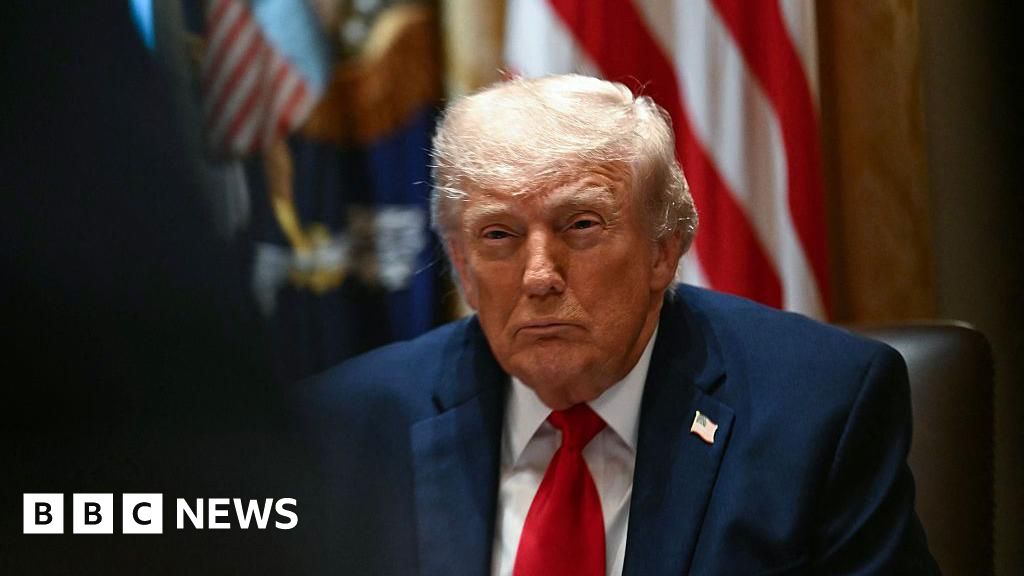
President Donald Trump has pushed for changes to the U.S.-Iran ceasefire deal, according to U.S. media reports, as the White House seeks revisions just days after officials said both sides had agreed on a framework. The proposed edits focus on two key issues: tighter control over the Strait of Hormuz—a critical shipping route—and Iran’s removal of highly enriched uranium. While the White House has not commented on the reports, the move signals that the deal, meant to pause months of fighting, remains fragile and subject to last-minute demands from Washington.
Iran isn’t backing down either. Mohammad Bagher Ghalibaf, Iran’s chief negotiator, warned Sunday that Tehran would reject any agreement unless its demands were fully met. That stance complicates the situation further, as the two sides appeared close to finalizing a 60-day truce that would include reopening the Strait of Hormuz—partially blocked during recent tensions—and restarting talks on Iran’s nuclear program. In exchange, Iran could see billions of dollars in frozen assets released under sanctions relief, a major incentive for Tehran but one that faces skepticism in Washington.
The back-and-forth shows just how shaky the deal remains. After a White House meeting Friday ended without clear next steps, Trump asked for several amendments, according to Axios. His Defense Secretary Pete Hegseth then warned that if the final terms don’t meet Trump’s standards, military strikes could resume. “Our stockpiles are more than suited for that,” Hegseth said, underscoring the administration’s willingness to keep pressure on Iran. Yet Iranian officials dismissed the U.S. messaging as speculative, with Foreign Minister Abbas Araghchi saying nothing is final until both sides sign off.
The stakes are high. A flawed deal risks prolonging the conflict or sparking new clashes, while a rejected one could push the U.S. and Iran back toward confrontation. For now, both sides are still negotiating, with Iran’s state media calling the talks “ongoing” and full of “regular proposals and amendments.” But with Trump’s red lines—especially no nuclear weapons for Iran—and Iran’s insistence on full concessions, the path to peace remains narrow and uncertain.