Twelve die in wildfire in Spain as heatwave continues in southern Europe
At least 12 people have died in a wildfire in Los Gallardos in the southeastern province of AlmerÃa, according to the Andalusian regional government, while six have been injured. Some of the victims
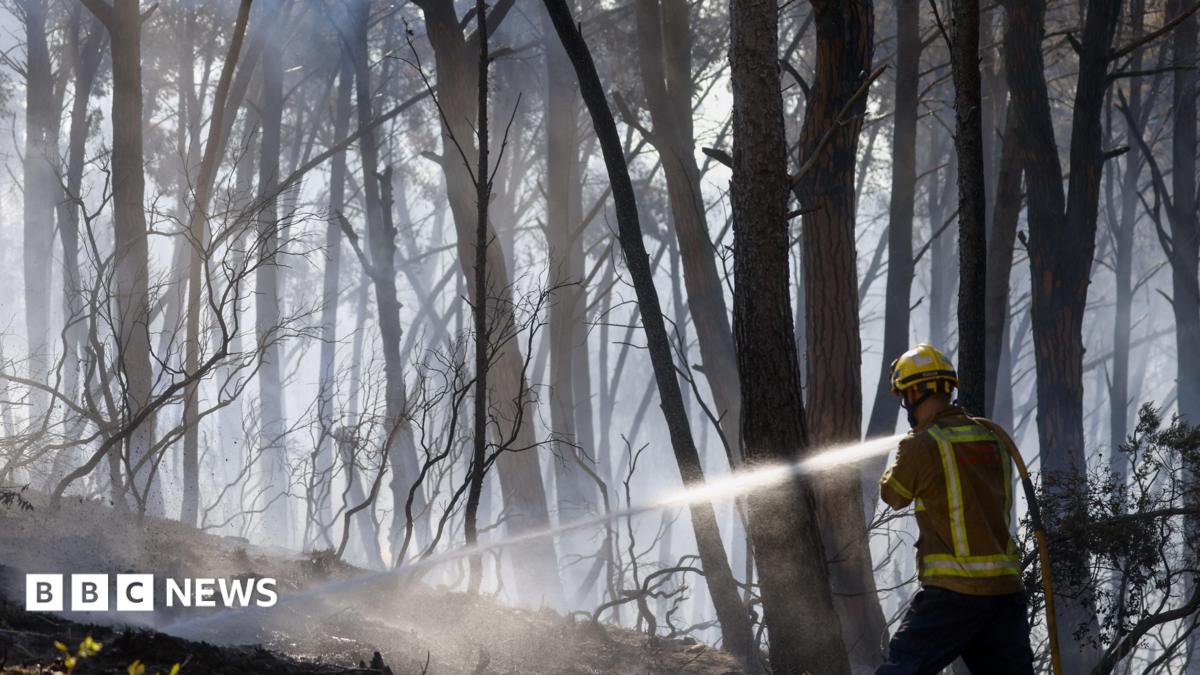
At least 12 people have died in a wildfire in Los Gallardos in the southeastern province of AlmerÃa, according to the Andalusian regional government,
Read Full Story at BBC World News →Why This Matters
The wildfire in Almería underscores the lethal intersection of climate change and human vulnerability, highlighting how extreme heatwaves—now a recurrent feature of southern Europe’s summers—are transforming seasonal risks into year-round threats. Beyond the immediate human toll, the disaster exposes the fragility of Spain’s rural infrastructure, where emergency response systems struggle to keep pace with the accelerating frequency of such events.
Background Context
Southern Spain has long grappled with wildfires, but the scale and intensity of recent blazes reflect a decade-long shift in weather patterns, with temperatures rising faster than global averages. Decades of rural depopulation and land abandonment have left vast areas overgrown with flammable vegetation, while underfunded forest management programs have compounded the risk. Political disputes over land-use policies and climate adaptation strategies have further delayed cohesive mitigation efforts.
What Happens Next
Local authorities are likely to face pressure to accelerate evacuation protocols and invest in early detection technology, but funding constraints and bureaucratic hurdles could delay meaningful action. The tragedy may reignite debates over Spain’s reliance on volunteer firefighters, whose ranks are increasingly strained by the demands of a warming climate. Meanwhile, insurers and property owners in fire-prone regions could see premiums surge, accelerating a retreat from high-risk zones.
Bigger Picture
This incident is part of a broader European pattern, where Mediterranean countries are becoming flashpoints for climate-induced disasters, forcing governments to confront long-neglected adaptation strategies. The human cost of such events—disproportionately borne by rural and elderly populations—also raises ethical questions about equity in climate resilience planning. As wildfires become a permanent fixture of southern Europe’s summers, the region’s economic and social fabric may need to adapt in ways that challenge traditional notions of stability.