Uberaba Geopark named Global Geopark for 90-million-year-old fossils
Uberaba Geopark in Brazil, a 3,900 sq km site with 90-million-year-old fossils, was designated a Global Geopark to protect its Late Cretaceous-era dinosaur remains and boost research and tourism. The…
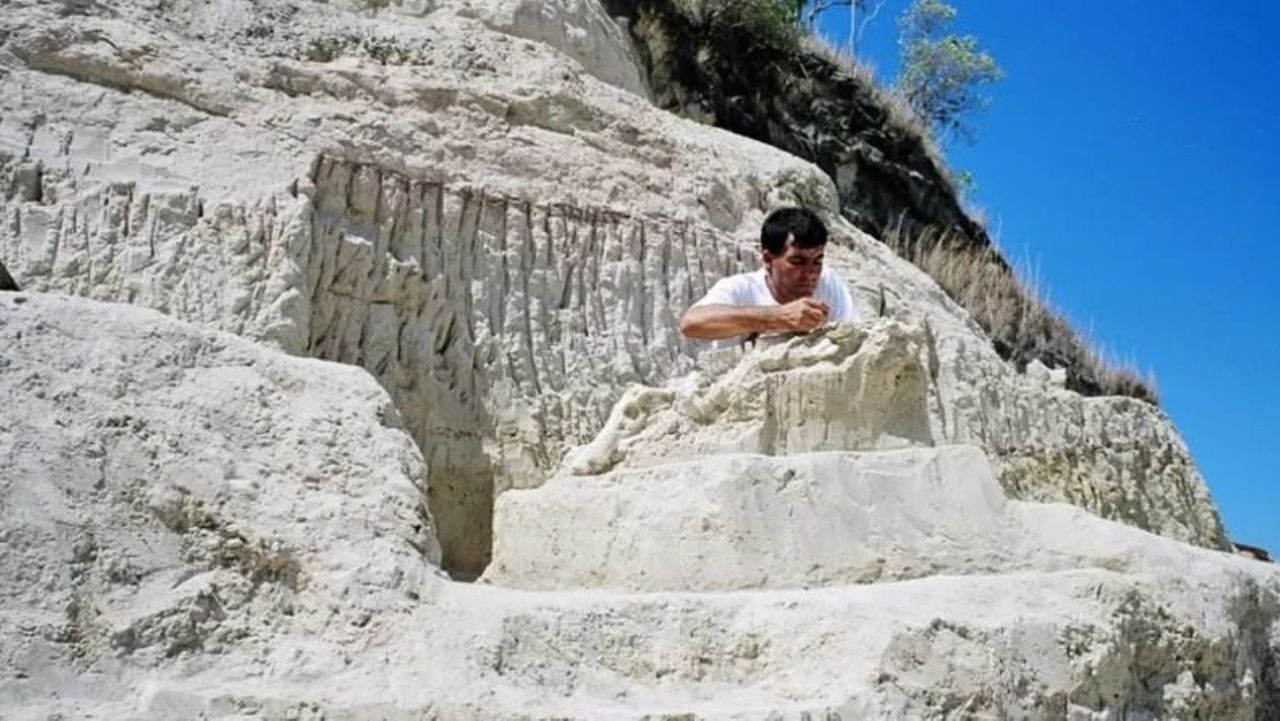
A newly designated geopark in Brazil’s Uberaba region is giving scientists a rare window into the Late Cretaceous, when dinosaurs still roamed and the climate was far warmer than today. Named Uberaba Geopark, the 3,900-square-kilometre area in Minas Gerais state was officially recognized this month by the Global Geoparks Network, placing it alongside 195 other sites worldwide that protect landscapes of outstanding geological significance.
The region’s story begins about 90 million years ago, when an inland sea covered much of what is now central Brazil. Rivers flowing into that sea laid down thick layers of sediment rich in dinosaur bones, eggshell fragments and other fossils. Those layers were later uplifted and exposed by erosion, creating cliffs and ravines that today read like a time capsule of the Cretaceous. Most of the fossils belong to titanosaurs – long-necked, plant-munching giants that could reach 25 metres in length – but palaeontologists have also found teeth from raptors and evidence of ancient crocodile relatives.
The geopark’s site managers say they have mapped more than 30 fossil-bearing sites so far, with new discoveries coming every field season. Last year alone, researchers recovered several complete dinosaur eggs and a partial skeleton of a juvenile titanosaur. Local guides now lead tours along a 50-kilometre fossil trail that winds past cliffs striped with dinosaur footprints and eggshell beds. The park’s visitor centre, which opened in June, uses interactive displays to explain how shifting tectonic plates and climate change shaped the landscape.
Officials hope the designation will boost geotourism and fund further research. They plan to add more trails, a night-sky park to capitalise on Brazil’s dark skies, and a fossil-preparation lab open to the public. For scientists, the geopark offers a chance to piece together how ecosystems coped with extreme warmth millions of years ago – lessons that resonate as today’s planet warms again.
Read Full Story at Live Science →