General Muhoozi Kainerugaba shuts Nation Media Group outlets in Uganda
Uganda’s army chief, President Museveni’s son, shut down Nation Media Group’s TV and print outlets in a dawn raid, stripping Ugandans of key independent news sources. This move tightens control ahead
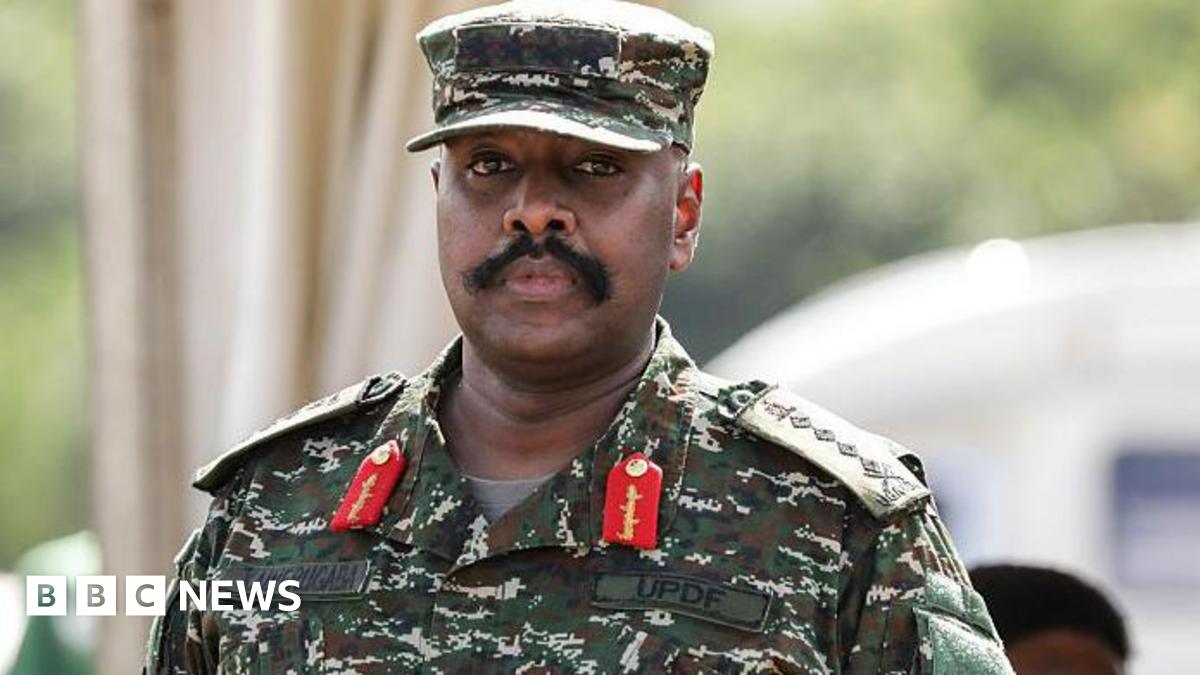
Uganda’s most influential independent media group is under siege after the army chief—who also happens to be President Yoweri Museveni’s son—ordered t
Read Full Story at BBC World News →Why This Matters
The shuttering of Nation Media Group’s outlets in Uganda isn’t just an attack on press freedom; it signals a deliberate strategy to eliminate the last independent voices before a critical political transition. This escalation underscores how entrenched power clings to control, even as digital alternatives emerge, making it harder for dissent to find platforms. The move also exposes the fragility of Uganda’s democratic institutions when military figures act with impunity under civilian leadership.
Background Context
Uganda’s media landscape has long been a battleground between state control and pluralism, with Nation Media Group’s outlets serving as rare bastions of critical journalism amid President Museveni’s 38-year grip on power. The army chief’s intervention mirrors a pattern of security forces suppressing dissent ahead of elections, but this time, it targets a business entity rather than an opposition figure. Historically, such crackdowns are justified under national security, yet they disproportionately silence coverage of corruption and human rights abuses tied to the regime.
What Happens Next
Expect a legal battle over the shutdown’s legitimacy, with Nation Media Group likely to challenge the seizure in courts already stacked against dissent. Meanwhile, journalists may face increased harassment or forced exile, while the void in independent reporting could push more Ugandans toward unverified digital sources—fueling misinformation. The regime’s next move will reveal whether this is a one-off power play or the start of a broader purge of critical media.
Bigger Picture
This incident fits a regional pattern where authoritarian leaders use security forces to dismantle media independence, from Ethiopia’s internet shutdowns to Tanzania’s regulatory strangulation of outlets. It also highlights the weaponization of state institutions—here, the military—against civilian targets, a tactic that erodes public trust in governance. As autocrats adapt to digital dissent, the shutdowns in Uganda may become a blueprint for silencing critics without outright declaring martial law.






