UK F-35s Intercept Russian Plane Near HMS Prince of Wales
UK F-35 jets intercepted a Russian patrol plane after it dangerously approached the HMS Prince of Wales and dropped sonobuoys. This incident highlights escalating tensions and unsafe Russian behavior
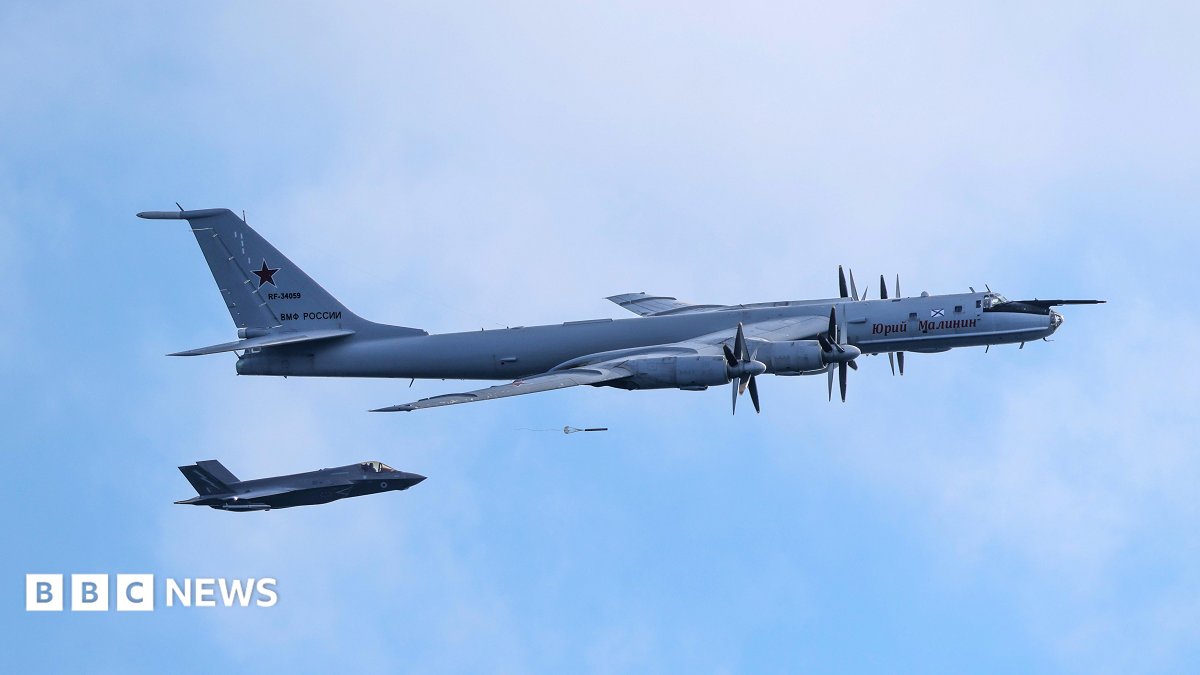
UK fighter jets intercepted a Russian maritime patrol aircraft that repeatedly approached a carrier strike group in the Norwegian Sea, prompting conce
Read Full Story at BBC Politics →Why This Matters
This interception underscores the growing volatility of Arctic and North Atlantic airspace, where Russia’s assertive patrols increasingly test NATO’s readiness. More than a routine military interaction, the incident signals Moscow’s willingness to escalate close-quarters encounters in areas critical to transatlantic security—raising the stakes for all parties involved.
Background Context
Since Russia’s 2014 annexation of Crimea, NATO has monitored a steady uptick in Russian aerial and naval probes near allied assets, particularly in the High North. The Norwegian Sea, a traditional corridor for carrier operations, has seen a marked rise in Russian aircraft equipped with anti-submarine and electronic intelligence tools, often deploying sonobuoys—devices usually reserved for tracking submarines—in ways that blur the line between reconnaissance and provocation.
What Happens Next
Expect intensified NATO aerial policing in the region, with more frequent joint exercises involving fast jets and maritime patrol aircraft. Diplomatically, this could prompt renewed calls for deconfliction mechanisms, though Moscow may view such measures as concessions rather than safeguards. The incident also raises questions about the UK’s future role in Arctic defense, especially after its 2022 Integrated Review emphasized the region as a strategic priority.
Bigger Picture
This event fits a broader pattern of Russian probing that has accelerated since the Ukraine war, targeting NATO’s northern flank where geography and climate once provided a buffer. As climate change melts Arctic ice and opens new routes, the region’s geopolitical weight grows—making close calls like this a preview of the risks ahead in a contested commons.