Russian bombs injure 15 civilians in Sloviansk residential area
Russian aerial bombs struck a residential area in Sloviansk, injuring at least 15 people in recent attacks on civilian infrastructure amid ongoing conflict. The situation is dire, with limited access…
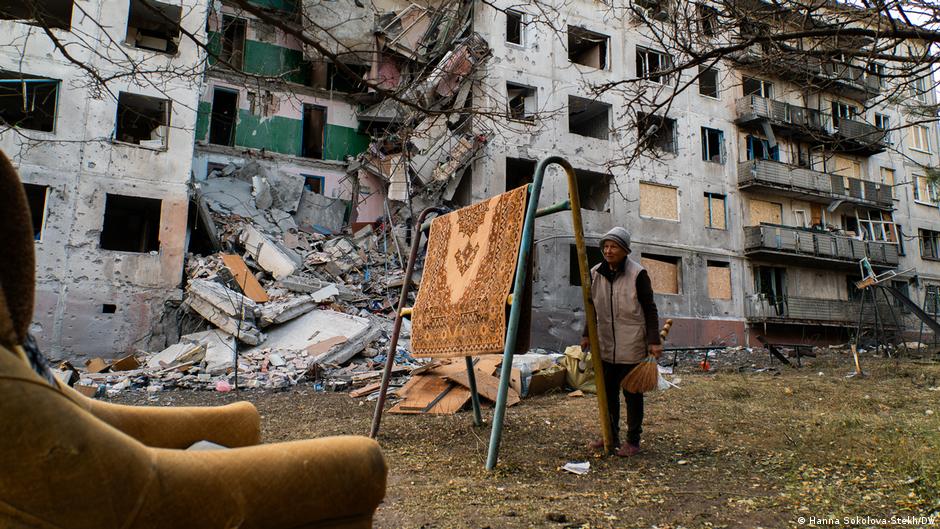
Three Russian aerial bombs struck a residential neighbourhood on the outskirts of Sloviansk on Thursday, hitting a five‑storey apartment block and injuring seven people. The attack came just days after a similar strike on the city’s outskirts, and it hit a building that also houses a state‑run emergency assistance centre and a Red Cross office, wounding eight more residents. Sloviansk, together with nearby Kramatorsk, remains one of the last major towns in Donetsk province still under Ukrainian control.
The city has been a combat zone since the summer, caught in the shifting front line between Russian forces and Ukrainian defenders. Utilities are patchy: electricity and water still run, but the gas supply was cut after the first bombing. Public transport has been halted since a bus attack in Kramatorsk killed 30 people, leaving residents to walk long distances for basic supplies. Rent in the war‑torn area can reach €400 a month, while a pensioner’s allowance is only €67, and the monthly relocation aid of €40 is far from enough to cover costs.
Pensioner Tetjana, who lives across the street from the damaged block, told reporters she was in her kitchen when the bomb hit the second floor. A woman on the fourth floor screamed, but rescuers pulled her out before the section collapsed. Despite offers to evacuate, Tetjana has stayed, saying she does not know where she could go and cannot afford the rent elsewhere. In the same courtyard, another resident, Natalja, cares for her twin sister who cannot walk. She tried to persuade her sister to leave, but pets are barred from evacuation shelters and both women have sick dogs. After the second strike, Natalja described a deafening bang that knocked her off balance on a balcony, and she now struggles to bring even crispbread to her sister as the market remains half‑burned and supplies are scarce.
Humanitarian groups warn that repeated attacks on civilian infrastructure could force more residents to stay in unsafe conditions. With electricity and water still flowing, authorities hope to keep basic services running, but the loss of gas and transport hampers recovery. International aid agencies say the situation underscores the need for safe corridors and additional financial support for pensioners and the elderly, whose limited incomes make relocation nearly impossible. The next days will test whether the city can maintain a fragile lifeline amid ongoing bombardments.
Read Full Story at DW World →