Ukrainian drones destroy entire U.S. tank brigade in live exercise
Ukrainian drones successfully destroyed an entire U.S. tank brigade during a live-fire exercise, highlighting the transformative impact of drone warfare on military strategies. This incident emphasiz…
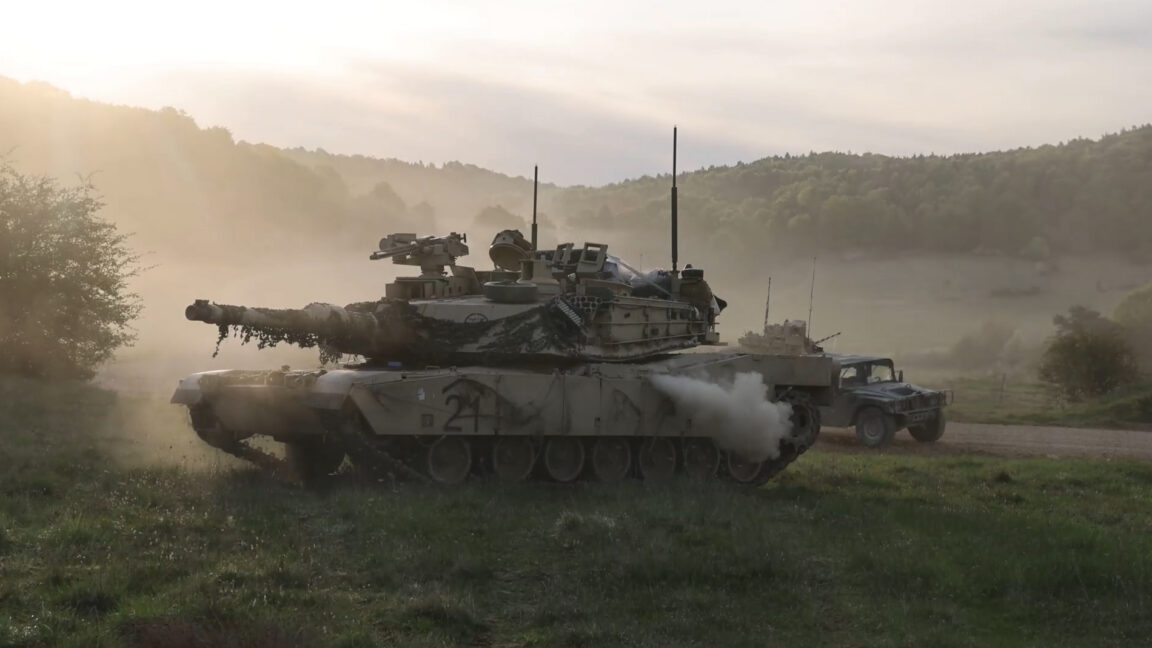
Ukrainian drone pilots successfully eliminated an entire U.S. tank brigade during a live-fire exercise, showcasing the effectiveness of drone warfare in modern combat scenarios. This event took place as part of NATO's ongoing efforts to adapt military strategies in response to the evolving nature of warfare, particularly highlighted by the ongoing conflict in Ukraine.
The incident underscores the significant lessons NATO forces are learning from Ukraine's use of drones in combat. Since the onset of the Russian invasion, Ukraine has relied heavily on drones for reconnaissance, artillery spotting, and direct attacks against armored units. This exercise served as a stark reminder of how traditional military tactics may need to evolve, especially in an era where unmanned systems can dramatically alter the battlefield landscape.
The successful execution of this operation demonstrates not only the capabilities of Ukrainian technology and tactics but also the importance of incorporating these lessons into NATO training programs. As drone technology continues to advance, the U.S. and its allies face pressure to reassess their military doctrines and invest in counter-drone measures. The incident has sparked discussions within military circles about the future of armored warfare and the role of drones in both offensive and defensive strategies.
Looking ahead, this event could lead to significant changes in NATO's training and operational procedures. Military leaders may prioritize drone warfare strategies and invest in new technologies to counteract drone threats. As geopolitical tensions remain high, especially with Russia's aggressive posture, understanding and integrating these lessons will be crucial for NATO’s preparedness and effectiveness on future battlefields.
Read Full Story at Ars Technica →