US accuses China of testing new ICBM variant
The U.S. confirmed China tested a new DF-41 ICBM variant over the Pacific, its first since 2017. This signals China’s nuclear buildup, potentially targeting 1,000 warheads by 2030, raising arms race r
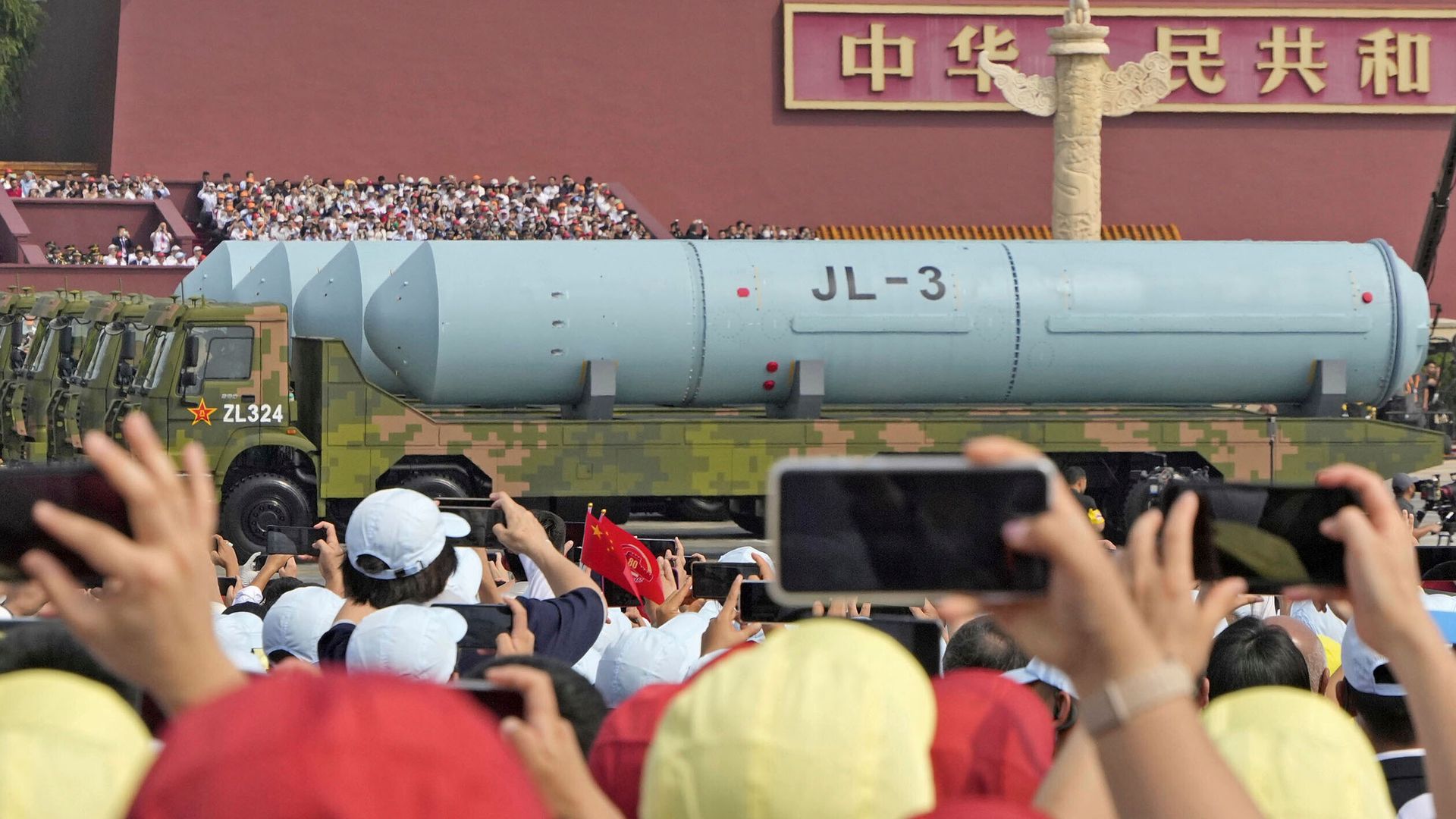
China secretly tested a new intercontinental ballistic missile (ICBM) in the South Pacific last week, the U.S. government confirmed on Tuesday, accusi
Read Full Story at Sky News →Why This Matters
The latest DF-41 test underscores China’s accelerating nuclear modernization, a departure from its long-standing "minimum deterrence" posture. This shift could destabilize regional security dynamics, particularly as U.S. allies in Asia reassess their defense strategies amid rising tensions.
Background Context
China has historically maintained a modest nuclear arsenal, but recent satellite imagery and U.S. intelligence suggest a rapid expansion. The DF-41, with an estimated range of 15,000 km, is one of the world’s most advanced ICBMs, capable of striking the U.S. mainland.
What Happens Next
Washington may respond with diplomatic pressure or military countermeasures, including expanded missile defense systems in Asia. Meanwhile, Beijing’s nuclear buildup could trigger a new arms race, forcing neighboring states to reconsider their own deterrence strategies.
Bigger Picture
This development reflects a broader global trend of nuclear rearmament, as geopolitical rivalries intensify. The U.S.-China dynamic may set a precedent for other nations, potentially reshaping the nuclear balance of power in the coming decade.