📈 Markets & Finance
Live
U.S. agencies seek stablecoin customer-ID rules akin to banks in new GENIUS Act rule
U.S. agencies seek stablecoin customer-ID rules akin to banks in new GENIUS Act rule
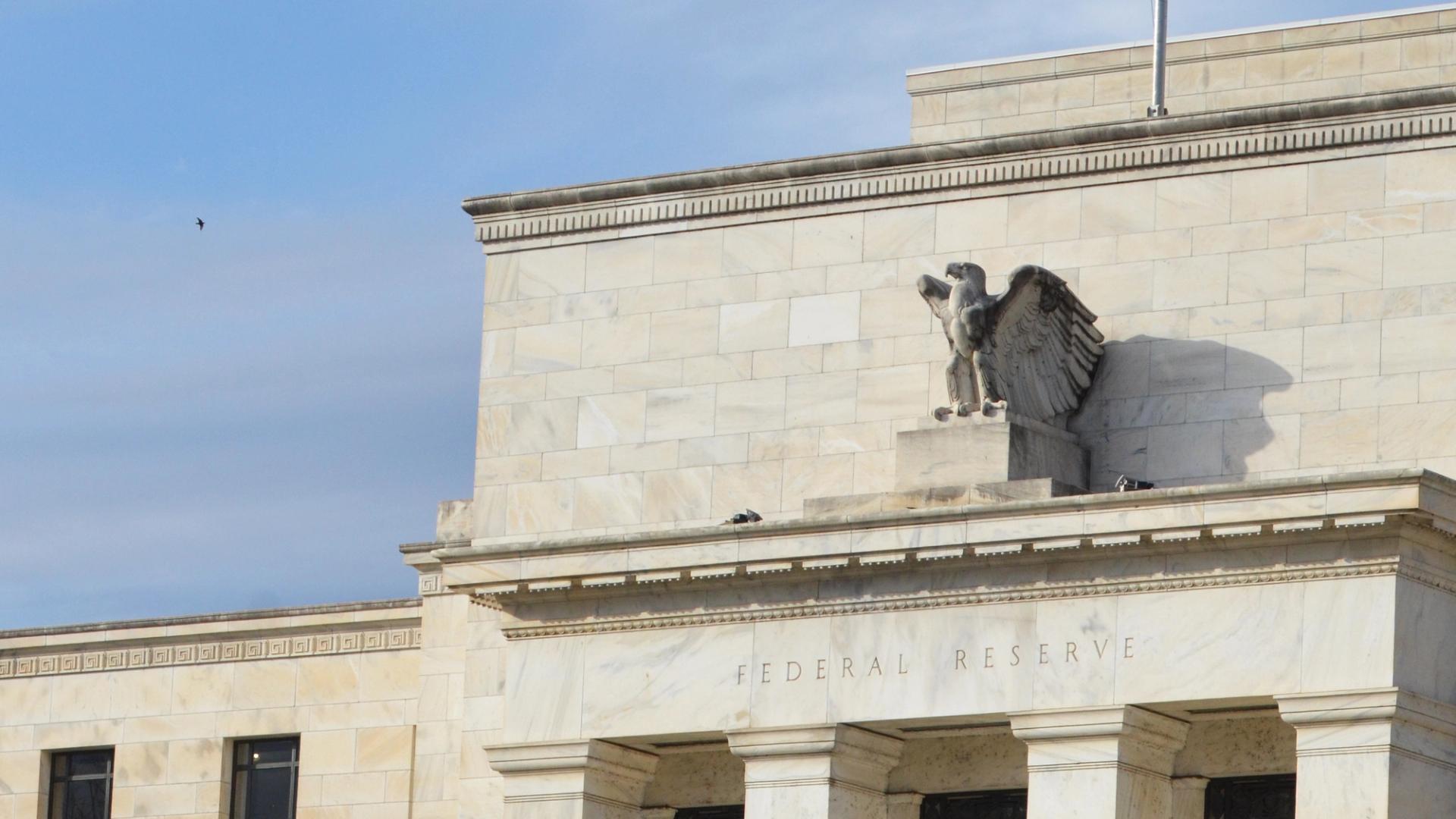
CoinDesk — 18 June 2026
Text:
24
0
0
This report comes from CoinDesk. The story centres on U.S. agencies seek stablecoin customer-ID rules akin to banks in new GENIUS Act rule. Full cover
Read Full Story at CoinDesk →
⚡ Quickyla Analysis
Original editorial context — not sourced from the article above
The push by U.S. financial regulators to extend bank-like customer identification rules to stablecoin issuers under the proposed GENIUS Act signals a pivotal shift in how digital assets are policed. Stablecoins, often pegged to the dollar and used for trading or remittances, have long operated in a regulatory gray area where anti-money laundering (AML) and know-your-customer (KYC) standards have been inconsistently applied. By treating issuers more like traditional banks, authorities aim to close loopholes exploited by illicit actors who move funds across borders with minimal oversight. This move is less about innovation suppression and more about aligning a fast-evolving sector with the financial system’s existing safeguards—a recognition that stablecoins, despite their decentralized ethos, now wield systemic influence.
The broader context reveals a history of regulatory caution. For years, stablecoins operated with minimal scrutiny, despite their growing role in crypto markets and even traditional finance. Tether, the largest stablecoin by market cap, has faced repeated allegations of opaque reserves and sanctions violations, while smaller issuers have skirted disclosure rules. The GENIUS Act—part of a broader legislative effort to modernize crypto oversight—reflects growing bipartisan concern that unchecked stablecoins could undermine financial stability, particularly in cross-border transactions where traditional banking rails struggle to keep pace.
What remains unclear is how issuers will adapt. Smaller stablecoin projects may struggle to absorb compliance costs, potentially consolidating the market around a few large players. Meanwhile, the act’s scope could extend beyond stablecoins to other digital assets, raising questions about whether decentralized finance (DeFi) platforms might eventually fall under similar rules. The law’s success hinges on balancing innovation with enforcement—a challenge that has bedeviled regulators since crypto’s inception. As Congress debates the GENIUS Act, the outcome will shape not just stablecoins but the broader trajectory of digital finance in an era of tightening monetary control.
Sources
📈 Markets & Finance
Sam Altman says OpenAI's top token spender uses 100 billion tokens a month — and they're not even the world leader

📈 Markets & Finance
Intel, AMD, Micron shares sink as Broadcom results spark semiconductor sector sell-off
📈 Markets & Finance
A new NJ bill would hand pet owners up to $900 in tax credits — and your state could be next
📈 Markets & Finance
Addressing Investor Transparency, Updates from Euronet Worldwide’s (EEFT) First Analyst Day in a Decade

📈 Markets & Finance
This Smart‑Money Legend Won Big on Intel. The Rest of His Portfolio Might Be Even More Revealing

📈 Markets & Finance
MGM Resorts stock jumps as Barry Diller's People Inc. makes bid to take over the company


