U.S. imposes sanctions on ICC President Tomoko Akane, lawyer Abdoulaye Seye
The U.S. has imposed new sanctions on ICC President Tomoko Akane and Senior Trial Lawyer Abdoulaye Seye, reflecting ongoing opposition to the court's authority to investigate war crimes. This action …
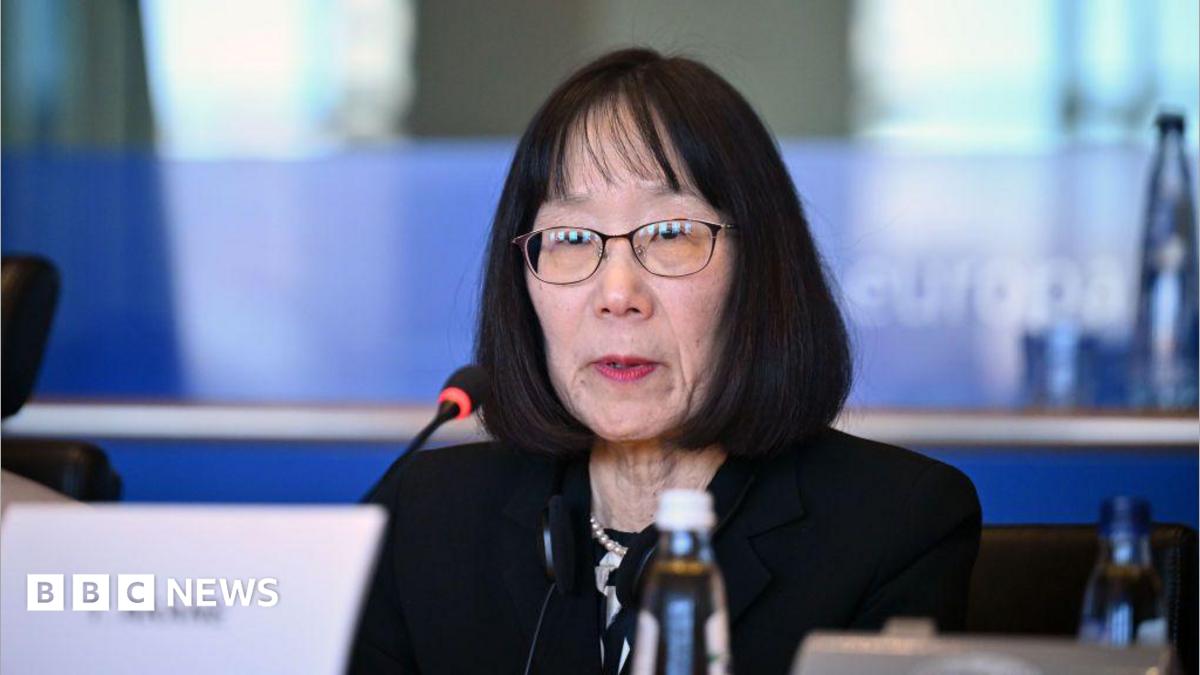
U.S. Secretary of State Marco Rubio announced new sanctions against International Criminal Court (ICC) President Tomoko Akane and Senior Trial Lawyer Abdoulaye Seye on Tuesday. This action represents the Trump administration's ongoing campaign to dismantle the ICC, which has the authority to investigate war crimes in more than 120 member countries.
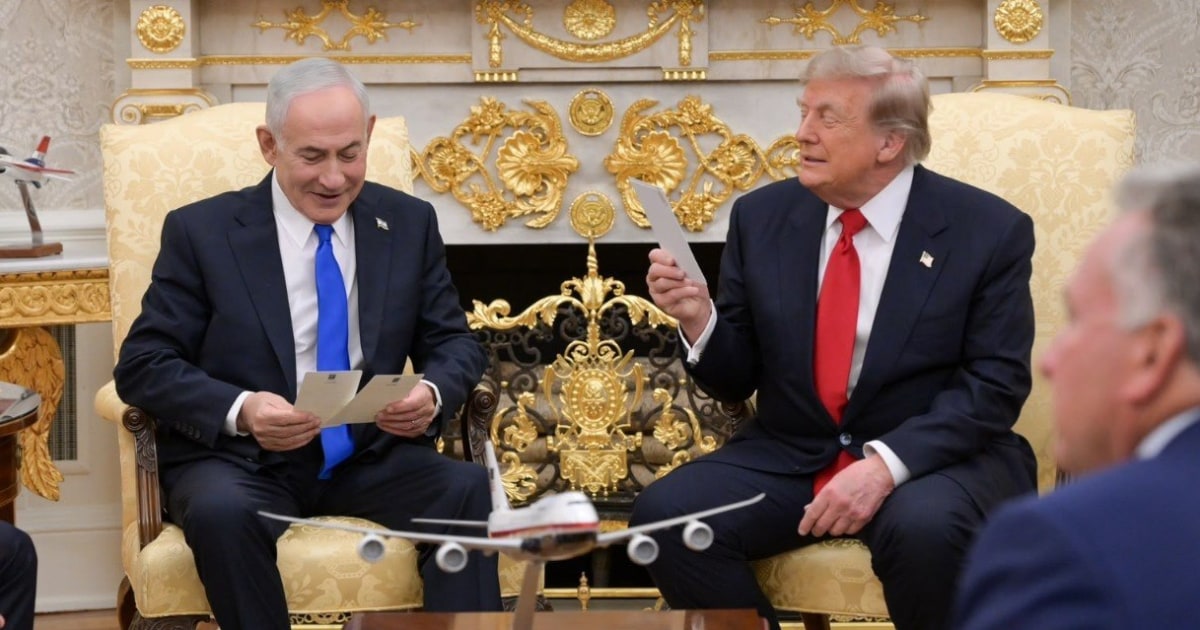
The sanctions come amid heightened tensions between the U.S. and the ICC, particularly regarding investigations into U.S. personnel in Afghanistan and the court's issuance of warrants against Israeli officials, including Prime Minister Benjamin Netanyahu, for alleged war crimes in Gaza. Rubio accused Akane and Seye of engaging in efforts to investigate and prosecute individuals from countries that have not consented to ICC jurisdiction, asserting that the court is a “corrupt and fatally politicized” entity that threatens state sovereignty.
These latest sanctions add to a growing list, as the Trump administration has already targeted at least 11 ICC officials, including nine judges and the chief prosecutor. The measures include asset freezes, travel bans, and restrictions on services from U.S. companies. The administration's stance against the ICC has been consistent, with Trump previously labeling the court a "threat" and asserting that it lacks legitimacy in the eyes of the U.S.
Human rights organizations have condemned the Trump administration's actions, arguing they undermine international law and hinder accountability for human rights violations. Liz Evenson, international justice director at Human Rights Watch, criticized the sanctions, stating they provide a "get-out-of-jail-free card" for those in power. In response, four prominent U.S. human rights groups have filed a lawsuit against the administration, claiming that its efforts to dismantle the ICC are unconstitutional. As tensions continue to rise, the future of international justice hangs in the balance.
Read Full Story at BBC World News →