US inflation jumped to 4.2% in May, the third consecutive increase since start of Iran war
Before the conflict began, inflation was at 2.4%, but the closure of the strait of Hormuz has affected energy prices US inflation jumped to an annual rate of 4.2% in May, the third consecutive monthly increase since the start of the Iran war and a three-year high, as Americans c
Before the conflict began, inflation was at 2.4%, but the closure of the strait of Hormuz has affected energy prices
US inflation jumped to an annual rate of 4.2% in May, the third consecutive monthly increase since the start of the Iran war and a three-year high, as Americans continue to face steep oil prices.
Prices have increased sharply over the past several months, rising at an annual rate of 3.3% in March before going up to 3.8% in April. In February, before the conflict began, inflation was at 2.4%.
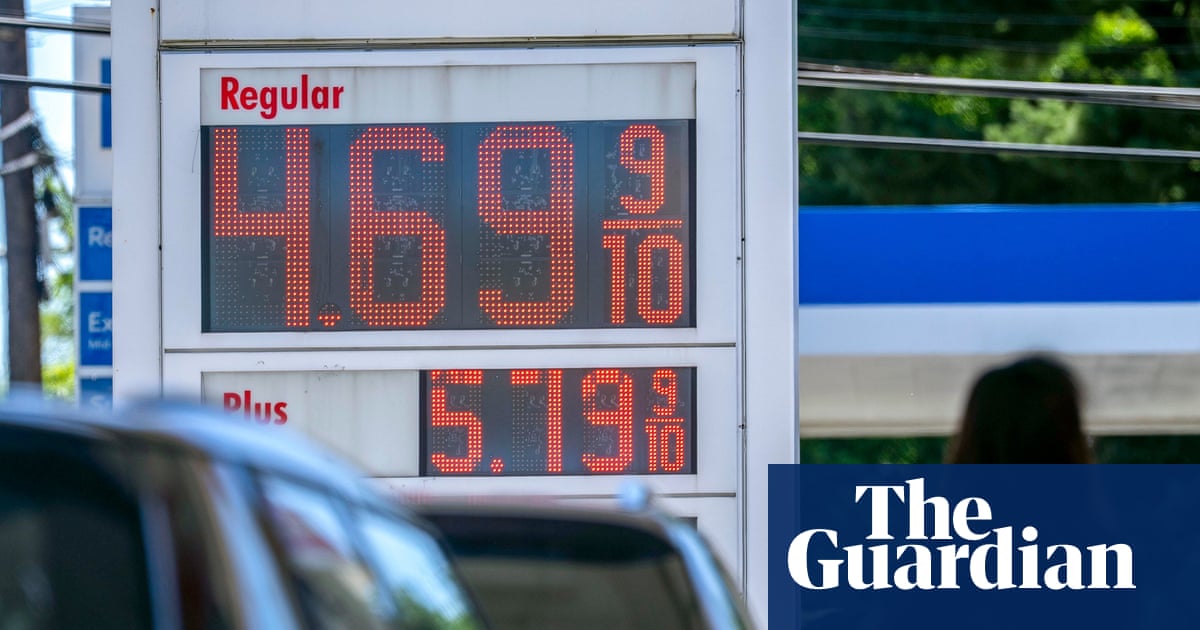
Energy prices were once again responsible for the increase in the consumer price index, according to new data from the Bureau of Labor Statistics, accounting for 60% of the overall monthly increases. Though prices at the pump are slightly lower than where they were a month ago, they remain about $1 per gallon more than a year ago. Other essential everyday expenses, such as food, energy services and clothing, also increased. Stripping out volatile energy and food prices, core CPI increased 2.9%.
Since the beginning of the US-Israel war with Iran, inflation has hit its highest levels since 2023, though they still remain well below the peaks recorded in 2022, when inflation hit 9%.
Higher prices have dampened Americans’ expectations of their financial outlook. According to a survey released on Monday from the Federal Reserve Bank of New York, households have become more pessimistic about inflation, the labor market, finding a job and the potential for layoffs. Consumer sentiment has also plummeted to a historic low, according to data from the University of Michigan , after falling for three consecutive months.
The new inflation data puts pressure on officials with the US Federal Reserve , who are meeting for the first time next week under the central bank’s new chair, Kevin Warsh. The Fed has voted to maintain interest rates since the end of last year.
Warsh said he believes the rates, which stand at 3.5% to 3.75%, should be lowered, aligning himself with Donald Trump , who has spent the last year trying to coerce the central bank into lowering rates.