🌍 World News
Live
US-Iran deal eases uncertainty over the war - but there is much still to play out
Finally, after what have seemed like countless false starts, a deal has been agreed by the US and Iran. Both sides have predictably claimed victory. President Trump has boldly declared: "This Great …
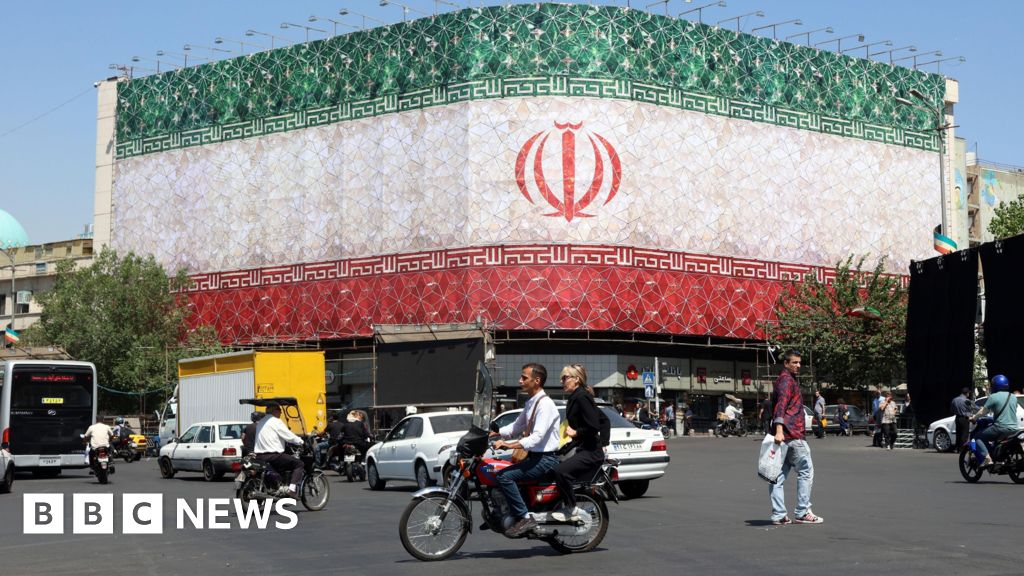
BBC World News — 14 June 2026
Text:
13
0
0
Finally, after what have seemed like countless false starts, a deal has been agreed by the US and Iran. Both sides have predictably claimed victory.
Read Full Story at BBC World News →
⚡ Quickyla Analysis
Original editorial context — not sourced from the article above
The breakthrough in U.S.-Iranian negotiations arrives at a pivotal moment, offering a rare glimmer of de-escalation amid decades of hostility. While both sides trumpet the agreement as a step toward stability, the deal’s true significance lies in its potential to reshape Middle Eastern dynamics—particularly the shadow war between Iran and Israel, the fragile state of regional oil markets, and Washington’s broader strategic posture. For a conflict that has lurked in the background of every major regional crisis since 2018, even a partial thaw could alter the calculus of proxies from Yemen to Lebanon. Yet the very fact that this accord required years of stalled talks underscores how deeply entrenched distrust runs, making the next phase—implementation—far more precarious than the headlines suggest.
Behind the diplomatic fanfare lies a history of misread signals. The 2015 nuclear deal, abandoned by Trump in 2018, was never just about curbing Iran’s nuclear program; it was a bet that economic engagement would moderate Tehran’s regional behavior. Instead, Iran’s hardliners doubled down on proxies, while Washington’s “maximum pressure” campaign pushed Tehran toward uranium enrichment levels unseen since the deal’s collapse. Now, with Iran’s economy straining and the U.S. distracted by Ukraine and domestic pressures, both sides face incentives to pause—even if only temporarily.
The open questions are legion. Will Israel, which has long warned against any concessions to Iran, tolerate a détente that leaves its archrival’s influence intact? Could the deal embolden hardliners in Tehran to test new red lines, or will pragmatic factions finally gain the upper hand? And crucially, how will Saudi Arabia and other Gulf states, long skeptical of U.S. reliability, respond if Washington appears to prioritize Iran over their security concerns?
If this accord holds, it may signal a broader shift: a recognition that direct confrontation serves no one’s interests. But trust, once broken, is painfully hard to rebuild. The real test will come not in the signing ceremonies, but in the quiet moments—when proxies hesitate, when oil tankers sail unmolested, and when diplomats dare to meet without preconditions. Until then, the world watches, holding its breath.
Sources

🌍 World News
Man fleeing police attacked by alligator before continuing his getaway, Louisiana authorities say
🌍 World News
US crude exports hit record high in May as Iran war tightens global oil supplies

🌍 World News
Agitators outside Delaney Hall set up organized logistics operation before Newark protests began

🌍 World News
French doctors sound alarm over drinking water pollution

🌍 World News
Iran, Kuwait, Bahrain hit: Is the war in the Gulf escalating again?

🌍 World News
Four people trapped in flooded cave in Laos pulled to safety

