📈 Markets & Finance
Live
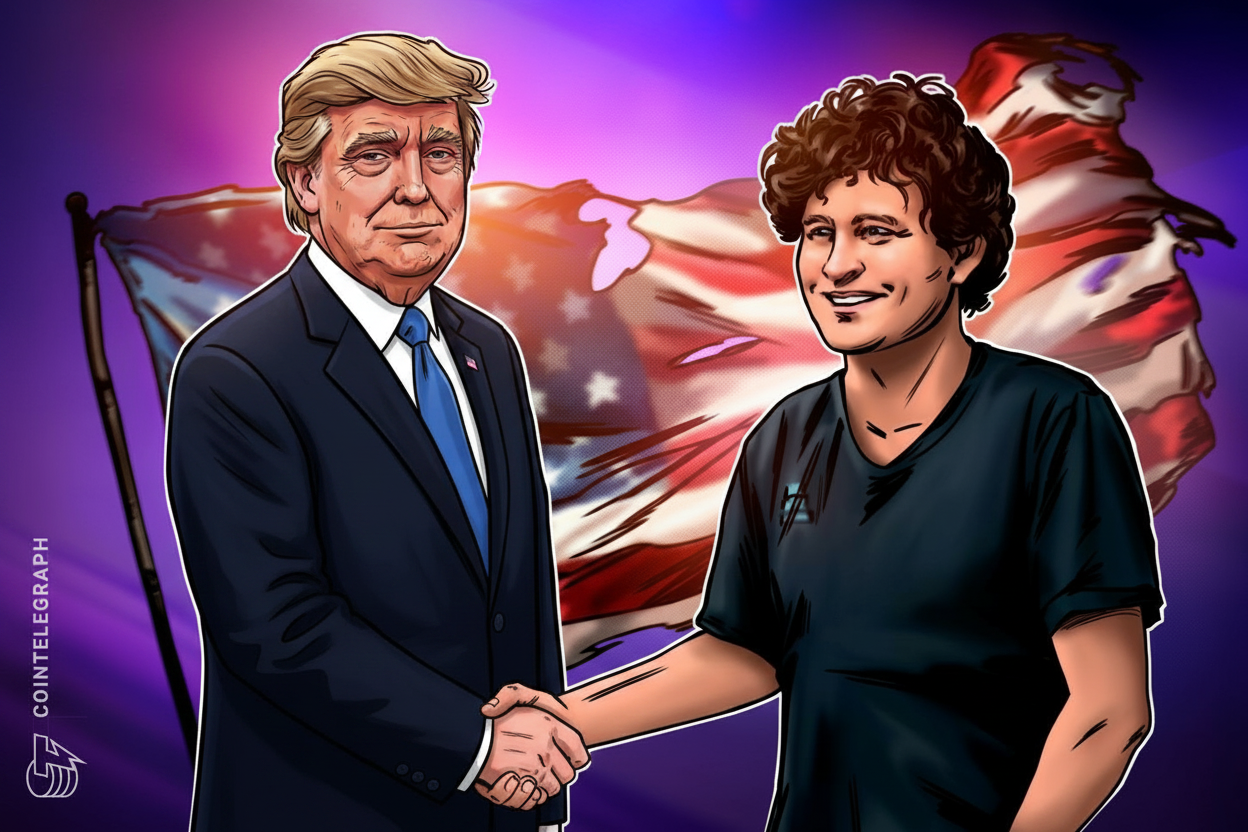
US lawmakers warn against presidential pardon for Sam Bankman-Fried
The former FTX CEO is currently serving a 25-year sentence after being found guilty on seven felony charges related to the misuse of customer funds.
CoinTelegraph — 17 June 2026
Text:
15
0
0
The former FTX CEO is currently serving a 25-year sentence after being found guilty on seven felony charges related to the misuse of customer funds.
Read Full Story at CoinTelegraph →
⚡ Quickyla Analysis
Original editorial context — not sourced from the article above
The warning from U.S. lawmakers against a potential presidential pardon for Sam Bankman-Fried reflects deeper anxieties about the integrity of financial regulation and the consequences of unchecked corporate power. Beyond the immediate drama of a disgraced crypto executive seeking clemency, the episode underscores how deeply the fallout from FTX’s collapse—one of the most spectacular financial frauds in modern history—continues to reverberate through politics and lawmaking. Bankman-Fried’s 25-year sentence, though substantial, still leaves unanswered questions about whether justice has been fully served. A last-minute pardon could be perceived as a signal that elite financial misconduct carries little personal cost, especially when it intersects with political fundraising or influence. Lawmakers’ public caution suggests they fear such a move would undermine public trust in a system already strained by perceptions of favoritism toward the wealthy.
This isn’t just about one individual; it’s about the precedent set for future cases. FTX’s collapse exposed glaring gaps in oversight, particularly in the crypto industry, where rapid innovation outpaced regulatory frameworks. The fact that Bankman-Fried’s legal troubles haven’t fully resolved the broader questions of accountability—whether for crypto exchanges, venture capitalists, or political donors—keeps the conversation alive. Meanwhile, the timing of any pardon effort would be politically fraught. In an election year, perceptions of leniency toward a figure tied to both financial ruin and partisan financial ties could fuel narratives of systemic corruption, regardless of the legal merits.
What happens next hinges on whether the White House views this as a matter of fairness or a political liability. If a pardon moves forward, it would likely spark intense backlash from both sides of the aisle, complicating the administration’s broader economic messaging. If it doesn’t, the focus may shift to other lingering questions: Will regulators push for stricter crypto oversight? Will Bankman-Fried’s case deter future fraud, or will the next generation of financiers take note that even spectacular collapses have exits? The story matters because it forces a reckoning with whether the U.S. legal system can truly hold accountable those who exploit gaps between wealth, technology, and regulation.
Sources
📈 Markets & Finance
Sam Altman says OpenAI's top token spender uses 100 billion tokens a month — and they're not even the world leader

📈 Markets & Finance
Intel, AMD, Micron shares sink as Broadcom results spark semiconductor sector sell-off
📈 Markets & Finance
A new NJ bill would hand pet owners up to $900 in tax credits — and your state could be next
📈 Markets & Finance
Addressing Investor Transparency, Updates from Euronet Worldwide’s (EEFT) First Analyst Day in a Decade

📈 Markets & Finance
This Smart‑Money Legend Won Big on Intel. The Rest of His Portfolio Might Be Even More Revealing

📈 Markets & Finance
MGM Resorts stock jumps as Barry Diller's People Inc. makes bid to take over the company


