U.S. military leaders debate intervention against Houthis amid shipping attacks
U.S. military leaders are divided on whether to intervene in Yemen against Houthi rebels following intensified attacks on commercial shipping, raising concerns over global trade disruptions. The outc…
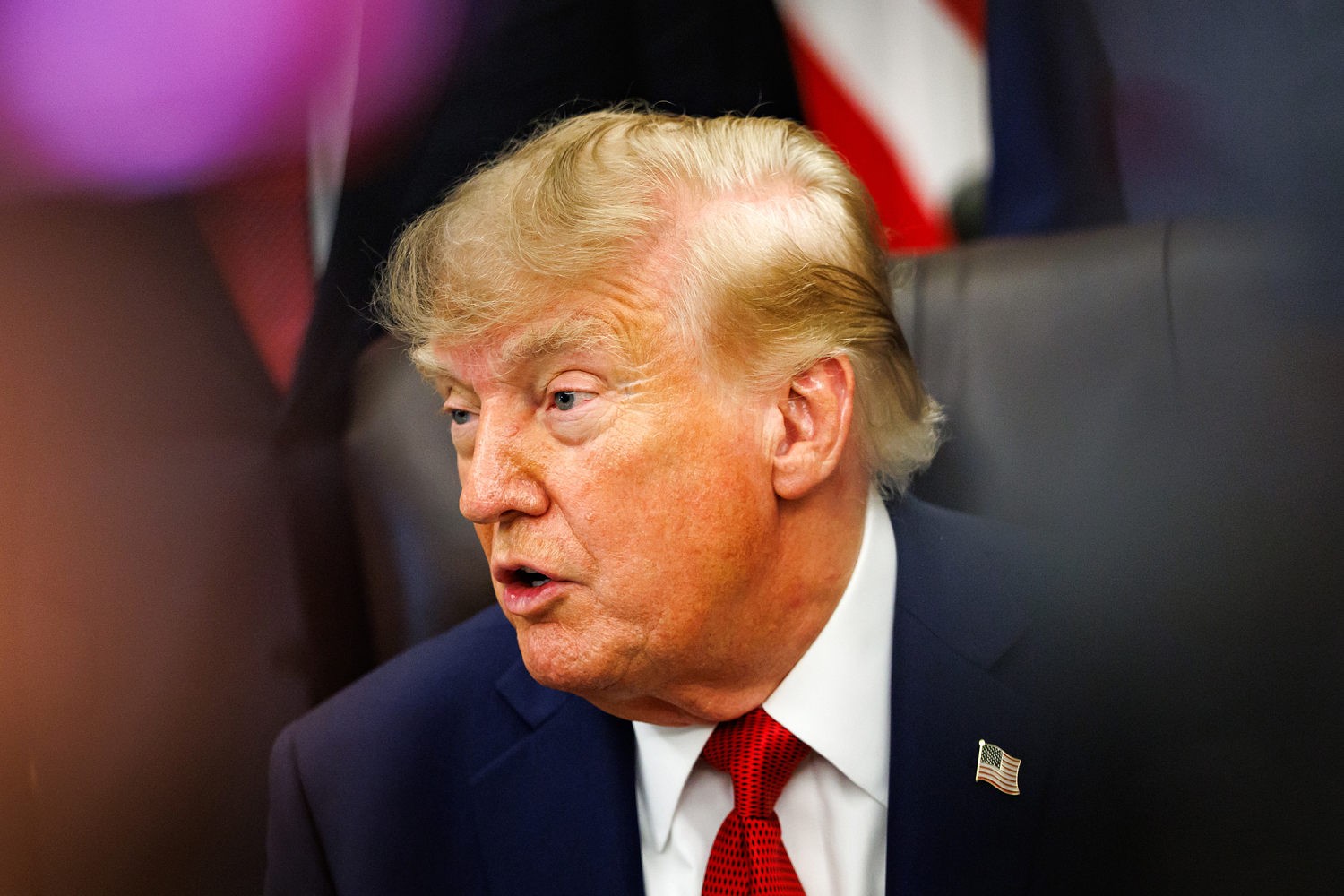
U.S. top generals are split on whether President Donald Trump should intervene in the Saudi‑Yemen war, a rift that surfaced this week after two senior officials told NBC News the Pentagon is debating a possible strike against Iran‑backed Houthi rebels in Yemen. The disagreement centers on a request from the White House to protect commercial shipping in the Red Sea, where Houthi missiles have sunk or damaged dozens of vessels in the past month.
The debate comes as the Houthis have intensified attacks on the Bab al‑Mandeb strait, a chokepoint that carries about a fifth of the world’s oil shipments. Their missiles and drones have hit cargo ships, a U.S.‑flagged container vessel, and a Saudi oil tanker, prompting concerns about a broader disruption of global trade. The conflict, which began in 2015 when Saudi Arabia launched a coalition to restore Yemen’s ousted government, has already caused more than 200,000 deaths and left millions displaced. Washington has provided intelligence, refueling and occasional airstrikes against Houthi targets, but it has avoided a direct combat role, fearing a wider clash with Iran.
Some senior officers argue that limited strikes on Houthi launch sites would deter further attacks and protect U.S. interests without escalating the war. Others warn that any U.S. attack could draw Tehran’s proxies into a direct confrontation, endangering U.S. forces in the region and inflaming anti‑American sentiment across the Middle East. A senior Pentagon aide said the cost‑benefit analysis is “far from settled,” and that congressional approval may be required for a sustained campaign.
If Trump decides to order strikes, the move would likely be brief and targeted, aimed at disabling Houthi radar and missile batteries. Congressional leaders have said they will scrutinize any escalation, and the White House is expected to brief allies in Saudi Arabia and the United Arab Emirates before any action. The outcome will shape how the United States balances its security commitments in the Red Sea against the risk of being pulled deeper into Yemen’s protracted war.
Read Full Story at NBC News →