US pays out $3m to victims of mysterious Havana Syndrome
The US government has paid nearly $3m (£2.2m) in compensation to victims of so-called Havana Syndrome, a mysterious neurological condition reported by spies, diplomats and their families. The paymen
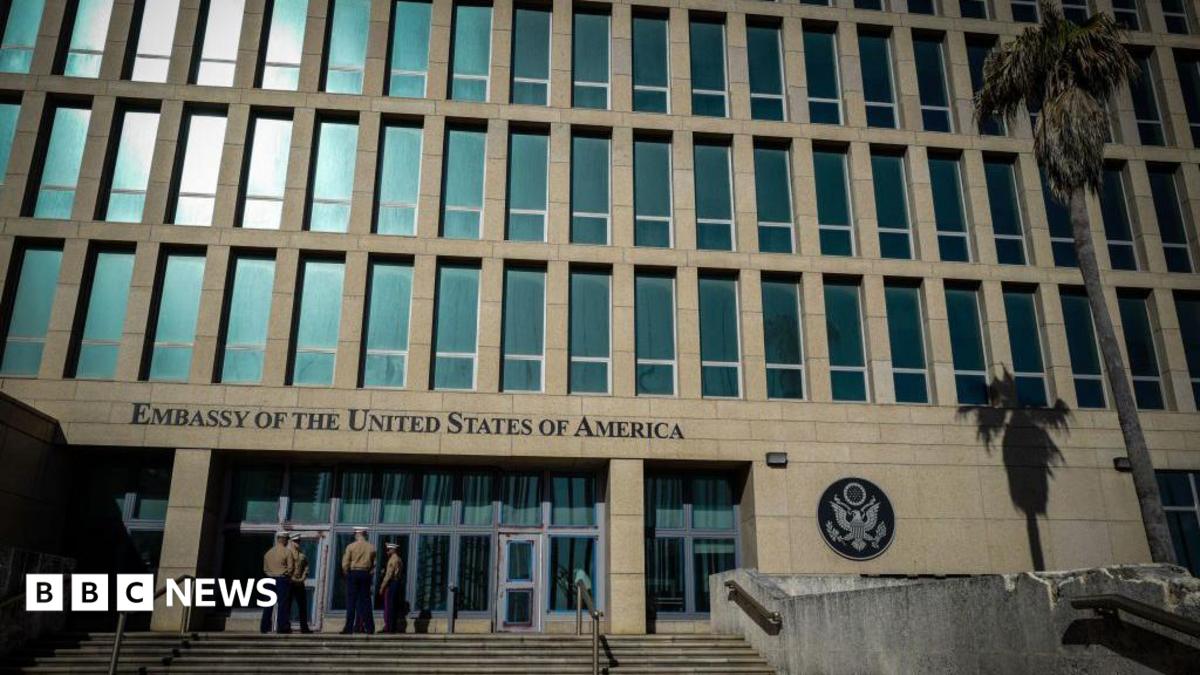
The US government has paid nearly $3m (£2.2m) in compensation to victims of so-called Havana Syndrome, a mysterious neurological condition reported b
Read Full Story at BBC Health →Why This Matters
The compensation payouts signal a tacit acknowledgment by the U.S. government of the severity of Havana Syndrome, a condition whose origins remain officially unexplained. For victims—many of whom are intelligence community personnel—this financial reckoning underscores the real, lasting toll of an affliction that has reshaped security protocols and personnel policies across agencies. It also raises uncomfortable questions about accountability and whether the response has been commensurate with the scale of human suffering.
Background Context
The phenomenon first emerged in late 2016 when U.S. and Canadian diplomats in Havana reported sudden, unexplained neurological symptoms, including vertigo and cognitive dysfunction. Initially dismissed by some experts as mass psychogenic illness, subsequent cases—spanning multiple continents—have challenged that explanation, particularly as incidents involved personnel with no prior exposure to diplomatic circles. Declassified reports suggest Russia-linked directed energy devices may have played a role, but definitive proof has remained elusive.
What Happens Next
Expect intensified pressure on intelligence agencies to deploy new detection technologies and protective measures for personnel in high-risk locations. Legal battles may escalate as victims seek additional compensation, while congressional oversight committees will likely demand clearer answers on the scope of the syndrome’s impact. The pay-outs could also embolden whistleblowers to come forward with previously unreported cases, potentially widening the scope of the crisis.
Bigger Picture
Havana Syndrome fits into a broader pattern of unexplained health incidents targeting Western operatives and officials, raising concerns about foreign adversaries exploiting vulnerabilities in state security infrastructure. It also reflects the growing intersection of espionage, health crises, and geopolitical tension, where ambiguous attacks blur the line between warfare and sabotage. The episode may set a precedent for how governments classify and respond to such "gray zone" threats in the absence of conclusive evidence.


