US plans to fight flesh-eating screwworm outbreak with flies and dogs
US agriculture and health officials have outlined a plan to combat a flesh-eating parasite that was officially eradicated in the country in 1966, but was just found in Texas. The plan to prevent a US outbreak of the New World Screwworm focuses on deploying hundreds of millions o
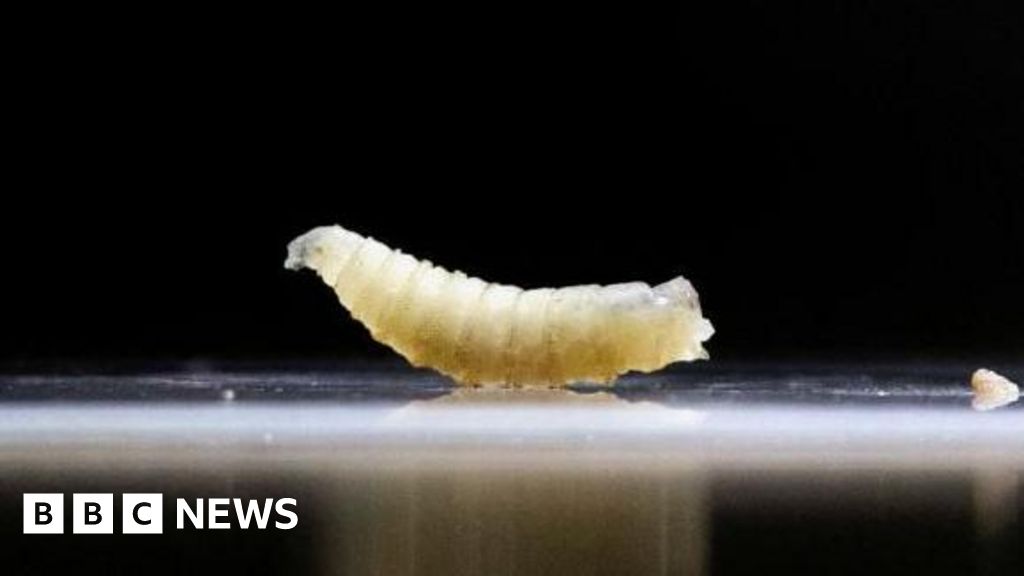
US agriculture and health officials have outlined a plan to combat a flesh-eating parasite that was officially eradicated in the country in 1966, but was just found in Texas.
The plan to prevent a US outbreak of the New World Screwworm focuses on deploying hundreds of millions of genetically-altered sterile flies. Experts, though, say the supply of sterile flies won't be enough to halt the screwworm population.
Other measures include establishing a containment zone around the site of the first US infection along the southern US border, and using sniffer dogs to detect the insects.
The threat to humans is low, but cattle ranchers fear an outbreak could have a large impact on beef markets.
Screwworms are parasitic flies whose females lay eggs in open wounds and mucous membranes of living warm-blooded animals and people. When the eggs hatch, hundreds of larvae burrow through living flesh with sharp mouths, eventually killing their host if left untreated.
On Wednesday, US officials announced that Texas had detected its first case in 60 years in a three-week-old calf, with the larvae found in its umbilical area. The discovery was made in the town of La Pryor about 30 miles (48km) from the Mexico border.
Officials have set up a 20km-wide "control zone", and are "implementing quarantines, movement controls, and surveillance in this area," according to the US Department of Agriculture (USDA).
Screwworm larvae grow into flies which can travel short distances. The primary way that they have travelled long distances is by being brought by humans.






