US mines export rare earths to Japan and South Korea
U.S. mining firms are exporting rare earth minerals to Japan and South Korea instead of developing domestic refining, undermining America's push for self-sufficiency in these critical materials. Witho
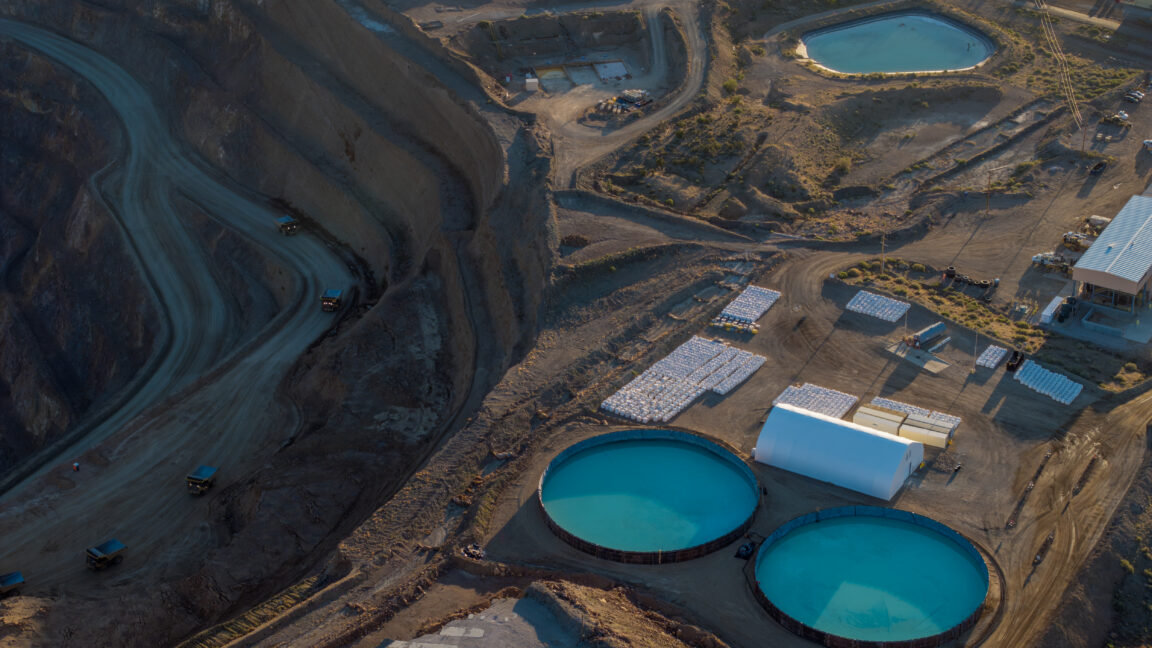
U.S. mining firms backed by the Trump administration are selling rare earth minerals to Japan and South Korea instead of building domestic supply chai
Read Full Story at Ars Technica →Why This Matters
The U.S. rare earth minerals trade reveals a stark disconnect between geopolitical ambition and industrial reality. While Washington frames critical mineral supply chains as a cornerstone of national security, domestic mining firms continue to prioritize short-term profits by exporting raw materials to Asia rather than investing in the high-cost refining infrastructure needed to support American manufacturing. This gap threatens to undercut the very supply chain resilience the U.S. seeks to build.
Background Context
Rare earths became a flashpoint during the U.S.-China trade war, when Beijing leveraged its near-monopoly in processing and magnets as a bargaining chip. The 2020 executive order labeling critical minerals as essential to economic and military security prompted a flurry of mining permits, yet domestic refining capacity remains stalled due to environmental hurdles, NIMBY opposition, and the absence of a clear market signal from downstream industries. Meanwhile, Japan and South Korea have aggressively secured long-term contracts with U.S. producers, locking in supply while the Pentagon’s stockpile purchases fail to catalyze broader industrial investment.
What Happens Next
Without a coordinated push—either through subsidies, tax incentives, or regulatory streamlining—the U.S. risks repeating the mistakes of the post-WWII era, when raw material exports fueled foreign industrial dominance. Watch for whether the upcoming Defense Production Act allocations target refining capacity directly, or if mining firms will continue to bypass domestic processing in favor of Asian markets where regulatory burdens are lighter and economies of scale already exist.
Bigger Picture
This story exemplifies a broader paradox in America’s industrial revival: even as policymakers champion reshoring, market forces often reward the path of least resistance. The rare earths trade underscores how globalized supply chains can outpace domestic policy, leaving Washington’s strategic goals hostage to the same commercial calculus that prioritizes cost over control.