Trump orders U.S.-South Korea military drills to end six days early
The U.S. and South Korea will end their Ulchi Freedom Shield military drills six days early due to a directive from former President Trump, citing cost and regional tensions. This change raises conce…
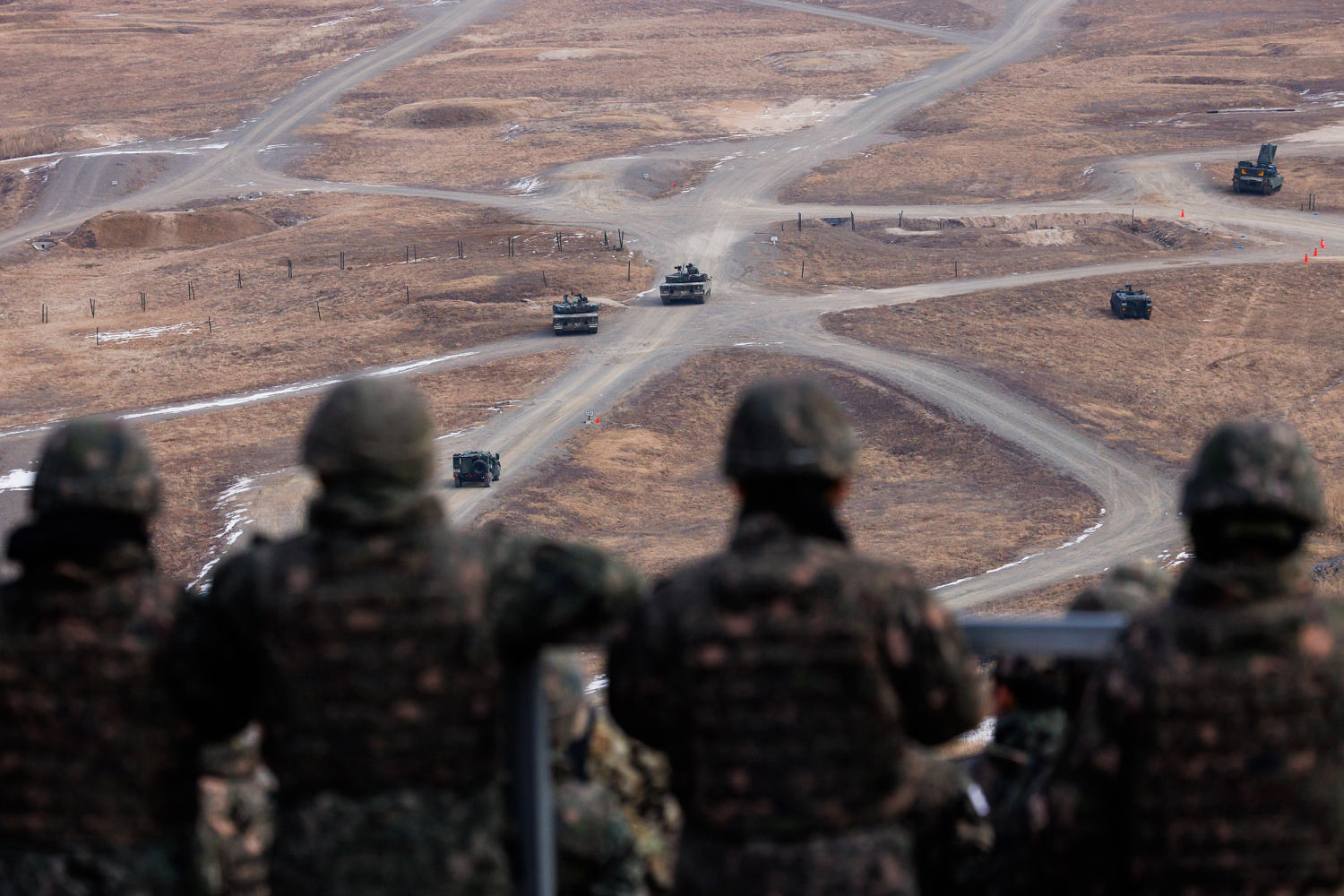
U.S. and South Korean forces will finish their annual Ulchi Freedom Shield drills on Aug. 21, six days earlier than the Aug. 27 deadline, after a sudden directive from former President Donald Trump. The order, issued through the National Security Council, called for a reduction in the size and scope of the exercises, citing concerns about cost and regional tensions with China. Both governments confirmed the change and said the shortened schedule would still cover the core training objectives.
The drills have been a cornerstone of the U.S.–South Korea alliance since the Korean War. They test the two countries’ ability to coordinate against North Korean missile and nuclear threats. In recent years, the U.S. has increased its troop presence in the region and expanded joint exercises to counter North Korea’s growing arsenal and to reassure allies amid China’s rising influence. Trump’s decision comes after his administration pushed for a “strategic pivot” to Asia and a reduction of U.S. forces in the Korean Peninsula, arguing that smaller deployments could ease diplomatic pressure and lower defense spending.
South Korean officials say the cut will not undermine deterrence but will require adjustments to the training schedule. Seoul has indicated it will maintain a scaled‑down version of the drills, focusing on rapid response drills and intelligence sharing. Washington will review the impact of the shortened exercises on readiness and may hold additional smaller exercises later in the year. The decision has drawn criticism from some U.S. lawmakers who fear it weakens the alliance and could embolden Pyongyang. Others argue that the move could open space for diplomatic engagement with North Korea and China.
The next steps involve a joint review of the alliance’s force posture. Both sides will meet with defense officials to assess the short‑term and long‑term implications of the reduced exercises. If the U.S. and South Korea find the new format sufficient, they may continue with the shortened schedule; otherwise, they could resume the full program in 2025. The decision will be closely watched by other U.S. allies in the region, who are wary of any signals that the U.S. is withdrawing from its commitments in the Korean Peninsula.
Read Full Story at NBC News →





