US to end funding of South Africa's HIV programmes over claims of Afrikaner persecution
The US government says it will stop funding programmes in South Africa intended to tackle the spread of HIV and Aids, linking the decision to the government's alleged failure to protect the white-mino
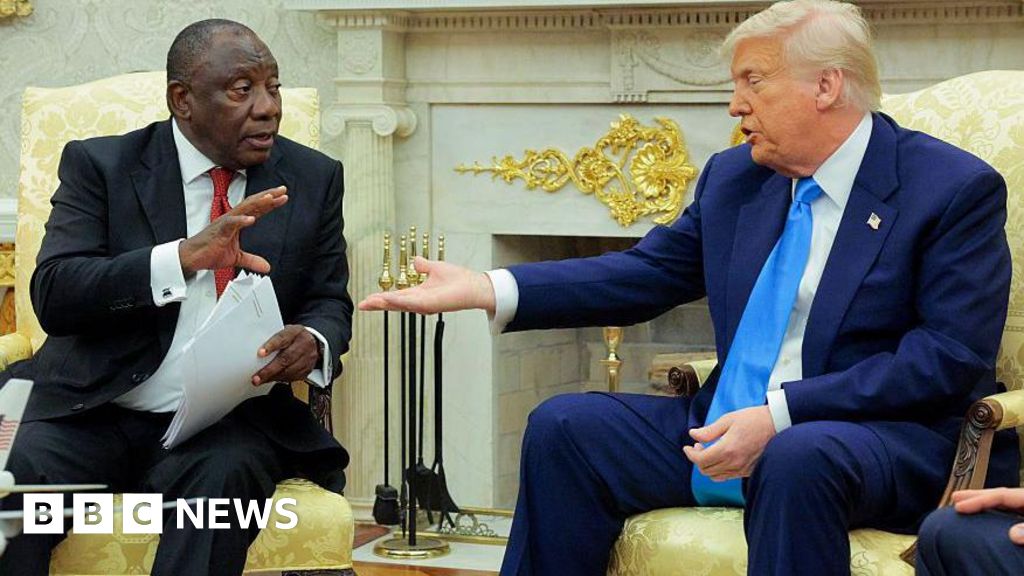
The US government says it will stop funding programmes in South Africa intended to tackle the spread of HIV and Aids, linking the decision to the gove
Read Full Story at BBC World News →The Trump administration’s decision to halt U.S. funding for South Africa’s HIV/AIDS programs over claims of perceived persecution of the white Afrikaner minority represents a troubling intersection of public health policy and political rhetoric. While the move has been framed in Washington as a response to alleged discrimination against Afrikaners, the real-world consequences threaten to undermine decades of progress in combating one of the world’s deadliest epidemics. South Africa has long been at the center of the global HIV crisis, with an estimated 7.8 million people living with the virus—more than any other country—and a fragile healthcare system that remains heavily reliant on international aid. Cutting off funding at this stage, even under contentious political grounds, risks reversing hard-won gains in treatment access, prevention education, and life-saving antiretroviral therapy rollouts. The decision also underscores a broader pattern of U.S. foreign policy under recent administrations, where domestic political pressures increasingly shape international aid decisions. Critics argue that this move politicizes humanitarian assistance, setting a dangerous precedent where funding becomes contingent on ideological or identity-based grievances rather than demonstrated need. South Africa’s government has rejected the claims of Afrikaner persecution as baseless, pointing to the country’s constitutional protections and the shared burden of HIV across all racial groups. Yet the funding freeze risks fueling perceptions of a U.S. retreat from global health leadership, particularly as other donors may follow suit or hesitate to fill the gap. Looking ahead, the immediate question is whether South Africa can secure alternative funding or adapt its programs to compensate for the loss. Longer term, the episode raises concerns about the durability of international health commitments, especially in countries where aid is tied to shifting political narratives. It also highlights the fragility of global health infrastructure, where progress can be undone by decisions made thousands of miles away for reasons unrelated to medical necessity. As the world grapples with resurgent diseases and strained health systems, this policy shift serves as a cautionary tale about the unintended consequences of weaponizing aid.





