USS Abraham Lincoln replaced by USS Nimitz after nine-month deployment
The USS Abraham Lincoln will be replaced after a record nine-month deployment in the Middle East due to concerns about crew welfare. The arrival of the USS Nimitz aims to address issues of fatigue an…
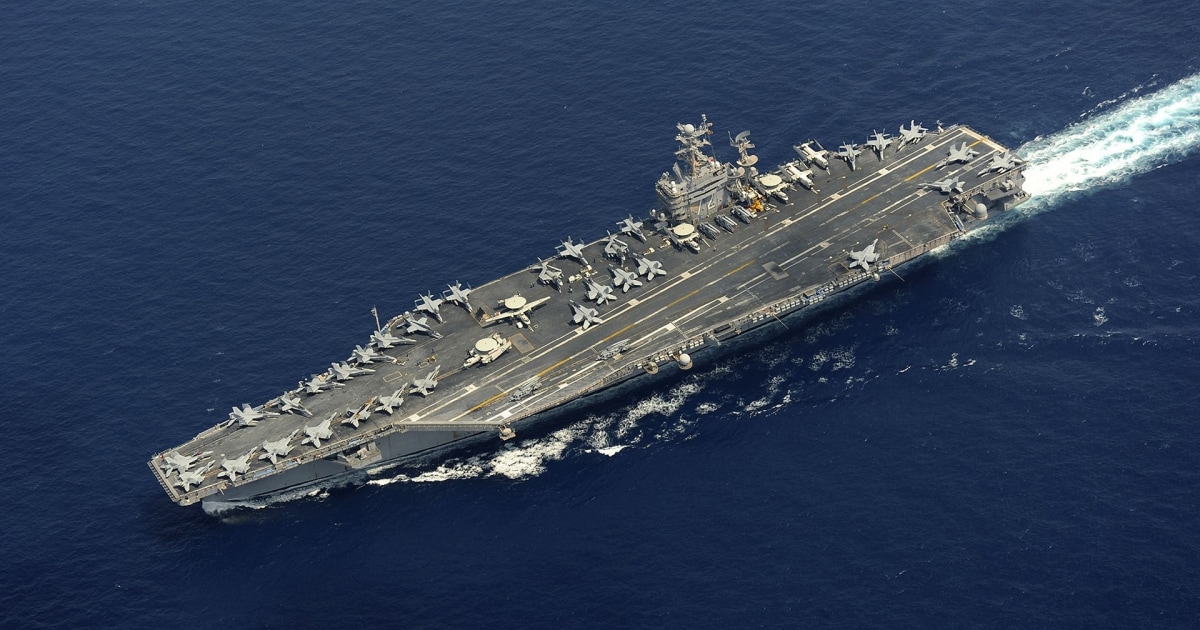
The USS Abraham Lincoln is set to be replaced after a record nine-month deployment in the Middle East, amid rising concerns from lawmakers and military families regarding the welfare of its crew. The aircraft carrier, which has been stationed in the region since early 2023, has faced scrutiny over extended service conditions, prompting the Pentagon to expedite the arrival of its replacement.
The lengthy deployment comes as tensions in the Middle East have escalated, particularly with ongoing conflicts and geopolitical instability. The Lincoln's extended presence was initially intended to maintain a strong U.S. military posture in the region. However, the impact of prolonged deployments on sailors' mental and physical health has become a pressing issue. Lawmakers have raised alarms about the need for adequate rest and recovery for service members, especially with reports of fatigue and stress among the crew.
While Defense Secretary Pete Hegseth and other Pentagon officials have attempted to downplay the concerns, the decision to send another aircraft carrier to the area underscores the urgency of the situation. The USS Nimitz is now en route to replace the Lincoln, which will allow the crew to return home and recuperate after their unprecedented deployment. This transition is critical to maintaining morale and operational readiness in the U.S. Navy.
As the Nimitz prepares to take over, the conversation about military deployment practices is likely to gain traction. This incident highlights the broader challenges the military faces in balancing operational demands with the well-being of its personnel. How the Navy addresses these concerns could influence future deployment strategies and policies, as the welfare of service members remains a vital issue for both military leadership and lawmakers.
Read Full Story at NBC News →