Utility companies want to pay you to generate power for the electrical grid
U.S. utilities are paying households for excess power from solar, batteries, or generators fed back into the grid under "grid services compensation" programs. Critics warn these programs may favor wealthier households, prompting regulators to ensure equitable access.
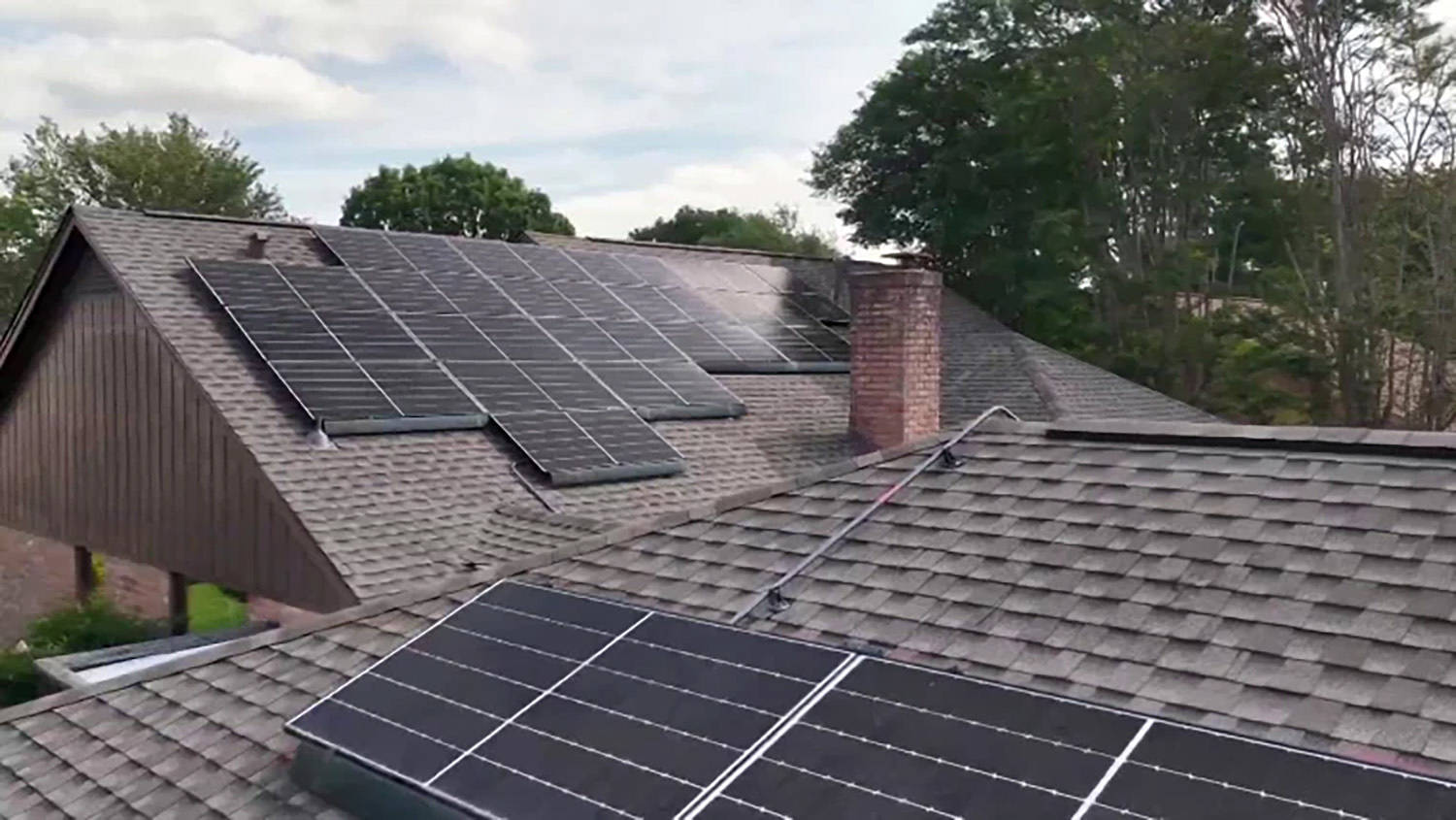
Utility companies in the United States are increasingly turning to innovative incentives to bolster power generation as demand on the electrical grid intensifies. In a growing number of states, households are being offered direct payments or bill credits for feeding excess electricity from rooftop solar panels, battery storage systems, or small-scale generators back into the grid. This emerging business model, known as "grid services compensation," is designed to reduce reliance on large power plants while accelerating the transition toward decentralized energy production. Utility executives argue that such schemes not only help stabilize supply during peak demand but also align with broader climate goals by supporting renewable energy adoption at the community level.
The concept leverages smart meters and real-time energy data to calculate payments based on the volume, timing, and reliability of power supplied. Companies such as Con Edison in New York and Pacific Gas & Electric in California have already piloted programs offering customers up to several hundred dollars annually for participating. Industry analysts note that these initiatives are part of a strategic shift toward "demand-side resources," where consumer participation becomes a crucial component of grid management. By compensating individuals not just for consumption, but for active contribution, utilities aim to create a more responsive and resilient energy ecosystem.
Critics, however, caution that such programs may disproportionately benefit higher-income households with the means to invest in solar panels or batteries, potentially widening energy access gaps. Consumer advocates are calling for safeguards to ensure that participation is inclusive and that lower-income families are not left behind. Regulatory bodies are now reviewing these models to balance market incentives with equitable access, ensuring that financial benefits are distributed fairly across communities. As the energy transition accelerates, the success of these initiatives may set a precedent for how utilities worldwide engage with individual energy producers.
For now, the trend reflects a broader evolution in the energy sector, where technology, policy, and consumer behavior converge to reshape the grid. With governments setting ambitious decarbonization targets, utilities are under pressure to modernize infrastructure while controlling costs. Paying customers to generate power offers a pragmatic solution—one that turns passive energy users into active participants in a cleaner, more adaptive electrical network.