🌍 World News
Live
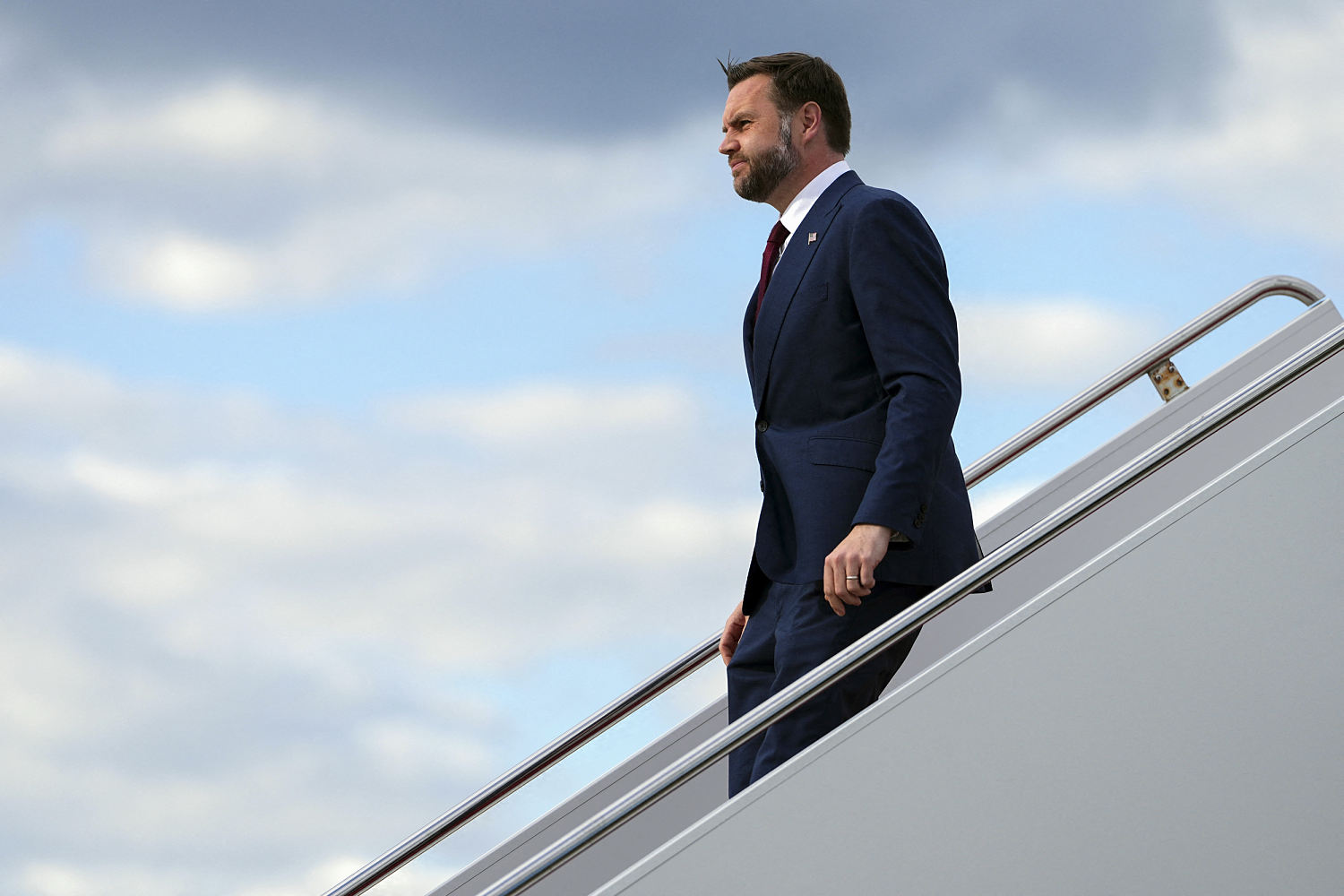
Vance calls his ‘childless cat ladies’ comment ‘one of the dumbest things I ever said’
Vice President JD Vance now concedes that it was “boneheaded” of him in 2021 to call Kamala Harris and other Democrats “childless cat ladies.”The admission comes in Vance’s forthcoming memoir, “Commu…
NBC News — 15 June 2026
Text:
13
0
0
Vice President JD Vance now concedes that it was “boneheaded” of him in 2021 to call Kamala Harris and other Democrats “childless cat ladies.”The admi
Read Full Story at NBC News →
⚡ Quickyla Analysis
Original editorial context — not sourced from the article above
JD Vance’s belated acknowledgment that his 2021 quip about “childless cat ladies” was a misstep reflects more than personal contrition—it underscores the perilous tightrope modern conservatives walk between cultural combat and broader appeal. Vance’s remark, dismissed at the time as a deliberately provocative dig at childless women and progressive leaders like Kamala Harris, now reads as a cautionary tale about how quickly sharp-edged rhetoric can curdle into political liability. For a figure positioning himself as a bridge between the GOP’s populist base and a more traditional conservative establishment, the admission signals a pragmatic retreat from the kind of unfiltered provocations that once defined online right-wing discourse. Yet the damage lingers: the phrase became shorthand for a strain of conservative rhetoric that conflates personal lifestyle choices with political legitimacy, a tactic that risks alienating precisely the suburban and independent voters Republicans still need to win.
The broader significance here is twofold. First, it highlights how deeply personal identity has become a proxy for political conflict in an era where family structure, fertility rates, and even pet ownership are freighted with cultural meaning. Second, it reveals the internal tensions within the GOP as it tries to reconcile its older, institutional wing with the ascendant populist faction. Vance, once a vocal critic of elite cultural norms, now appears to recognize that unforced errors—no matter how ideologically satisfying—can undercut a political brand built on competence and restraint.
What remains unclear is whether this apology will reset perceptions or merely underscore the volatility of Vance’s political brand. His pivot to a more statesmanlike tone in the memoir suggests an attempt to soften his image, but the episode also raises questions about authenticity. Did he truly misjudge the remark’s resonance, or is this a calculated pivot ahead of a 2024 campaign where he may need to court moderate skeptics? The broader trend is unmistakable: in a media landscape that rewards outrage, even the most ardent provocateurs must occasionally perform self-awareness to maintain their footing. Vance’s about-face is a reminder that in politics, the line between conviction and self-sabotage is often drawn in the most personal of terms.
Sources

🌍 World News
Man fleeing police attacked by alligator before continuing his getaway, Louisiana authorities say
🌍 World News
US crude exports hit record high in May as Iran war tightens global oil supplies

🌍 World News
Agitators outside Delaney Hall set up organized logistics operation before Newark protests began

🌍 World News
French doctors sound alarm over drinking water pollution

🌍 World News
Iran, Kuwait, Bahrain hit: Is the war in the Gulf escalating again?

🌍 World News
Four people trapped in flooded cave in Laos pulled to safety

