NASA reallocates power to extend Voyager 2 mission
NASA extended Voyager 2's life by 3+ years by reallocating power from heaters to instruments, ensuring data transmission until at least 2026. This keeps the only probe to visit Uranus and Neptune ope…
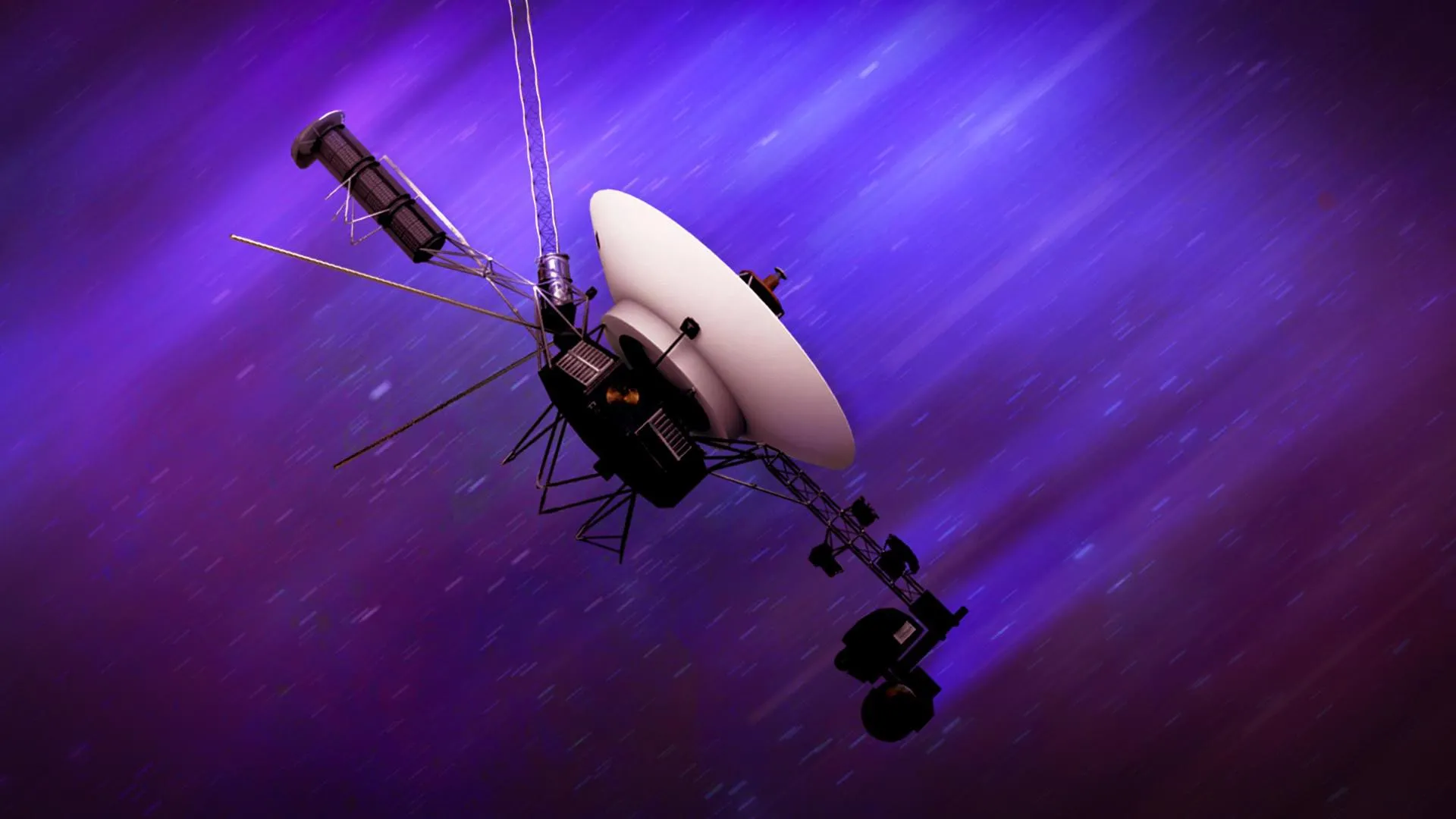
NASA engineers have found a clever way to squeeze more life out of Voyager 2, nearly half a century after it left Earth. In an operation nicknamed the “Big Bang,” the team simultaneously shut down certain power-hungry hardware and switched to lower-power alternatives while keeping the spacecraft warm enough to survive. The fix should add at least three more years of science data from the probe, which is now 12 billion miles away and hurtling toward interstellar space.
Voyager 2 is running out of power because its four-decades-old nuclear batteries—powered by plutonium-238—lose about four watts of heat each year. The craft originally carried five scientific instruments; four are still on. NASA has already turned off heaters and backup systems to stay within the dwindling power budget. The latest tweak targets heaters and a voltage regulator that was wasting energy, routing its load through a backup circuit instead. Keeping the propellant lines above freezing is critical; once they freeze, the probe can no longer aim its antenna at Earth.
The maneuver freed up roughly 12 watts of power, enough to keep one key instrument running for a few more years. Engineers expect Voyager 2 to keep talking to Earth until at least 2026. After that, the team will likely have to shut down another instrument or two, trading science for basic survival.
This isn’t just about one spacecraft. Voyager 2 is the only human-made object to have visited Uranus and Neptune, and its instruments are still returning unique data about cosmic rays and interstellar plasma. The same power-saving playbook will guide the eventual shutdown of Voyager 1, which is even farther out. Extending their lives buys time for deeper analysis and keeps a 47-year-old mission alive while engineers plan successor probes to explore the outer solar system.
Read Full Story at ScienceDaily →