US faces lithium shortage as Nevada mines lack water
Most proposed U.S. lithium mines face water shortages in arid regions like Nevada and Arizona, threatening domestic production. Without enough water or alternatives, the U.S. risks increasing reliance
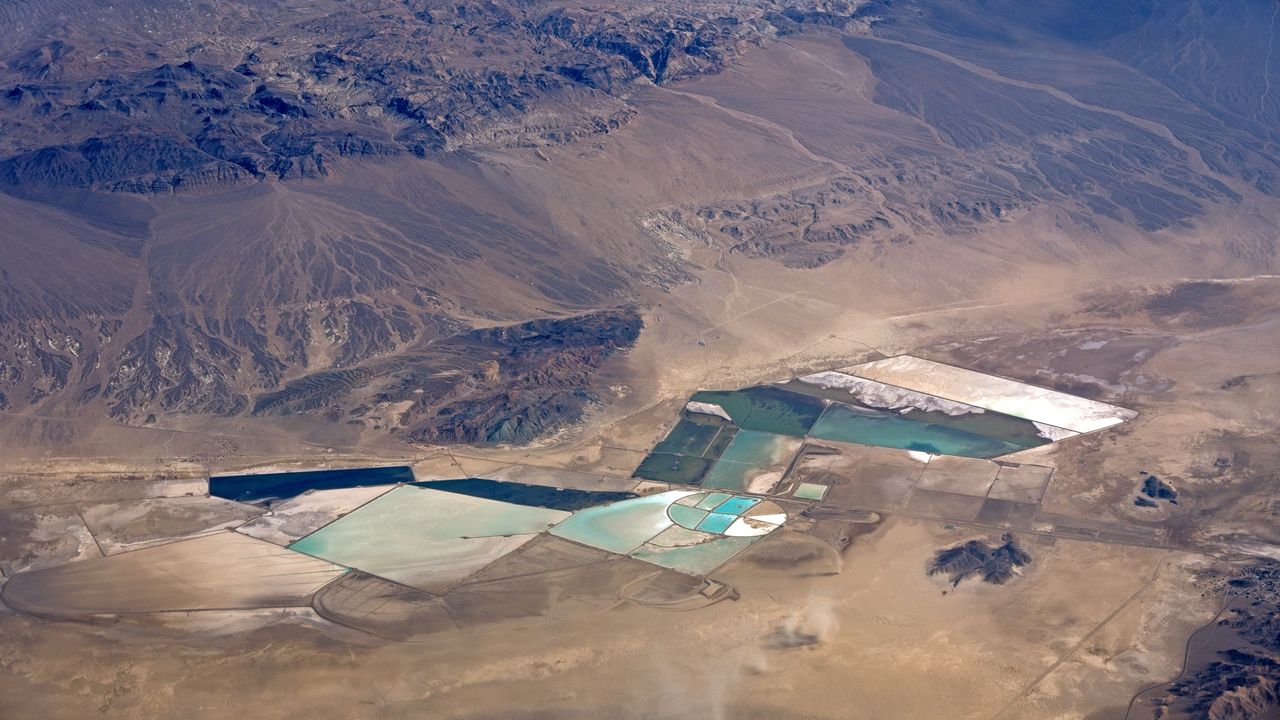
Most proposed lithium mines in the U.S. overlap with drought-prone regions like Nevada, Arizona, and California—and there may not be enough water to s
Read Full Story at Live Science →Why This Matters
The U.S. is racing to secure domestic lithium supplies to power its electric vehicle revolution, but water scarcity in key mining regions threatens to derail these ambitions. This isn’t just an industrial obstacle—it’s a geopolitical vulnerability that could force the country to double down on foreign suppliers, undermining energy independence just as global demand for EVs accelerates. The stakes are particularly high in the Southwest, where competing interests—from agriculture to tribal lands—are already locked in a zero-sum battle over a dwindling resource.
Background Context
Lithium extraction in the U.S. has historically favored brine operations in Nevada’s Clayton Valley and hard-rock mining in North Carolina, both of which depend on vast quantities of water. Yet decades of over-extraction and prolonged droughts have strained aquifers to the brink, with some projections suggesting groundwater levels in critical basins could drop by 20% within a decade. Meanwhile, federal efforts to streamline mining permits have clashed with environmental reviews and Indigenous rights, leaving a regulatory gray area that discourages investment in alternative technologies.
What Happens Next
Without breakthroughs in water-efficient extraction or aggressive policy interventions, the U.S. may see its lithium pipeline stall—delaying EV production timelines and increasing costs for automakers already grappling with supply chain fragility. The most immediate flashpoints will likely emerge in Arizona, where a proposed lithium mine near the Colorado River threatens to ignite legal battles over water rights. Watch for state-level incentives to lure water-saving innovations, as well as industry lobbying for relaxed environmental standards, which could reshape the regulatory landscape.
Bigger Picture
This crisis reflects a broader paradox of the green transition: the very technologies meant to combat climate change are now colliding with its consequences. As arid regions face growing competition for water, the lithium dilemma forces a reckoning with whether "domestic supply chains" can truly exist without sustainable resource management. It also underscores how geopolitical dependencies are shifting—not just from oil to critical minerals, but from one fragile ecosystem to another.







