Guterres urges global ban on killer robots at AI summit
UN Chief António Guterres warned that unregulated AI threatens global security, democracy, and human rights, urging an international ban on autonomous killer robots. He criticized the tech industry's
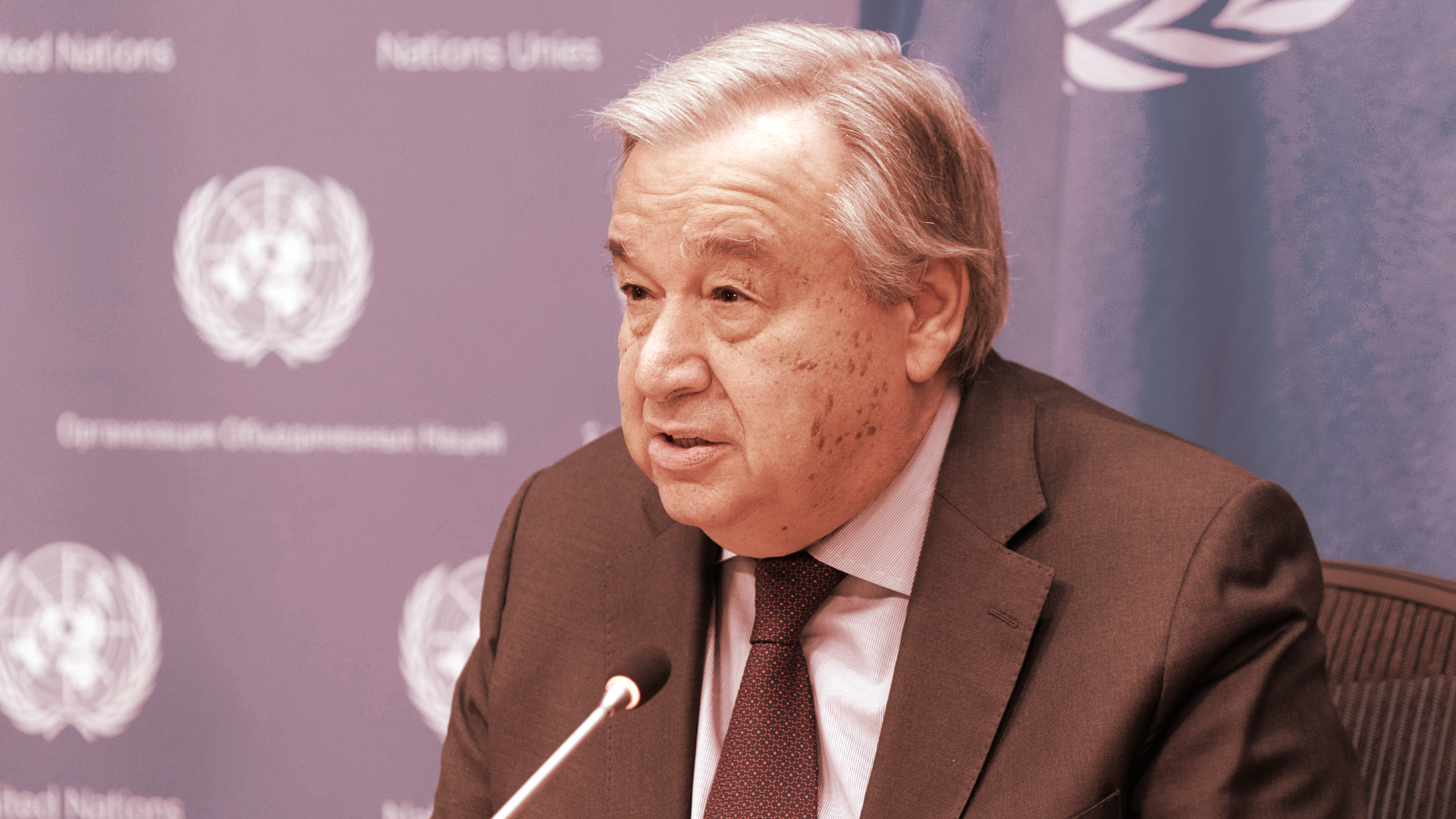
The United Nations Secretary-General António Guterres warned world leaders at an AI summit in Paris that humanity cannot rely on "vibes" and unchecked
Read Full Story at Decrypt →Why This Matters
The UN Secretary-General’s warning signals a pivotal moment in the global conversation about AI governance, where unchecked technological advancement risks outpacing ethical and regulatory frameworks. The call to ban autonomous weapons isn’t just a policy debate—it’s a test of humanity’s ability to prioritize collective survival over competitive innovation, particularly as militarization and corporate interests blur the lines between progress and peril.
Background Context
Autonomous weapons systems have been in development for over a decade, with military powers like the U.S., China, and Russia already testing AI-driven targeting systems that operate without human oversight. Meanwhile, the tech industry’s rapid deployment of AI tools—often with minimal transparency—has created a regulatory vacuum, where ethical concerns are treated as afterthoughts rather than foundational requirements.
What Happens Next
The next 12–18 months will likely determine whether international coalitions can draft enforceable treaties or if the arms race will accelerate unchecked. Watch for shifts in corporate lobbying strategies, as companies previously resistant to regulation may now pivot to self-governance frameworks to preempt government intervention.
Bigger Picture
This moment reflects a broader crisis of authority in the digital age, where institutions struggle to keep pace with technological disruption. The push for AI regulation could either set a precedent for global governance of emerging technologies or further fracture international cooperation along geopolitical lines.