What happens when a hybrid battery dies and what to do about it
Don't wait to have your car checked out if its traction battery is having problems. If you drive a hybrid car, you might not be aware that it actually has two batteries: a low-voltage auxiliary batt…
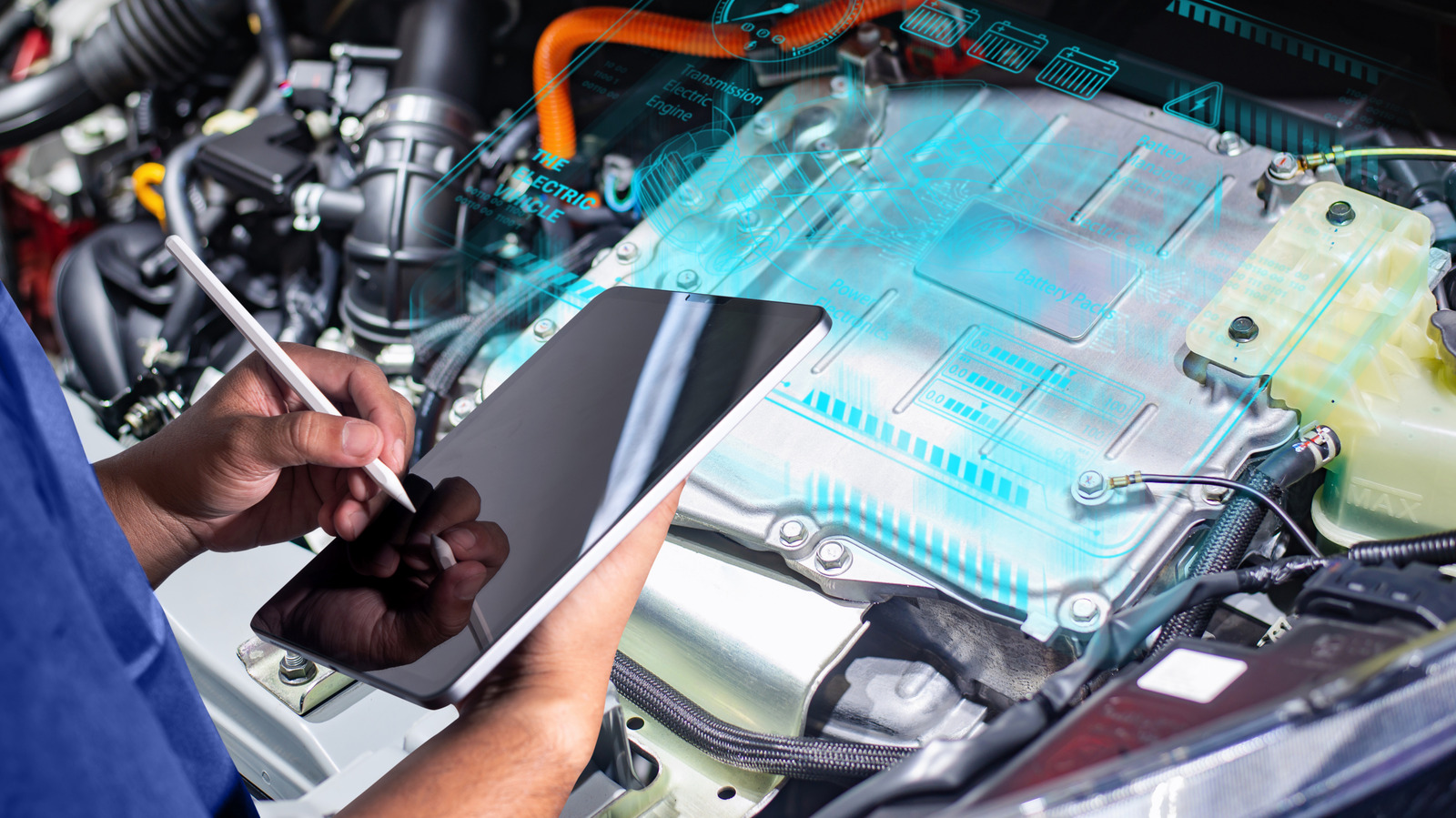
Don't wait to have your car checked out if its traction battery is having problems.
If you drive a hybrid car, you might not be aware that it actually has two batteries: a low-voltage auxiliary battery and the much larger traction battery. What happens when a hybrid battery dies depends on which of those batteries you're having trouble with. The 12-volt battery wakes up the car's computers and runs conventional accessories. The traction battery stores energy for the electric motor and, through a DC-to-DC converter , helps keep the 12-volt system charged. If that small battery is dead, the car may be completely inoperable even when the high-voltage pack is fine.
The larger pack should never run completely empty during ordinary driving. In a conventional hybrid, the gasoline engine and regenerative braking recharge it as the car moves. A plug-in hybrid that shows zero electric miles has usually reached the end of its EV-only range, not suffered a battery failure; the vehicle then switches to hybrid operation.
If the traction pack deteriorates or develops a fault, the car may keep moving with reduced power, or it may stop and refuse to restart. The outcome depends on the model and the fault. And even though hybrids have a gasoline-powered engine, it's not a spare drivetrain waiting to take over. On many hybrids, the electrical side also starts the engine or provides some of the propulsion needed to move the car. A high-voltage battery warning needs prompt attention.
A dead 12-volt battery usually prevents the car from entering its initial READY state. Dim lights, unresponsive locks or a dashboard that will not wake up point toward the auxiliary battery, although those clues are not a diagnosis. Many hybrids can be jump-started at a designated terminal, as Toyota and Honda explain in their manuals. The jump is for the 12-volt system only.
A failing traction battery behaves less predictably. The car may show a "Check Hybrid System," "Power System" or manufacturer-specific warning, cut electric assistance, limit acceleration and use more fuel. Overheating can also produce similar symptoms. Honda says an obstructed battery air intake can make the system limit battery output , while Toyota lists blocked cooling vents as one reason for a traction-battery maintenance message. So while a warning light will indicate that there's a problem, it doesn't mean the entire pack needs replacement.
More serious faults can shut down the hybrid system or prevent the next start. Toyota warns that continuing to drive after certain traction-battery service messages can eventually leave the hybrid system unable to start. A car that keeps moving after a warning isn't proof that it can drive indefinitely without a functioning pack. A cooling problem, an overheated pack and an internal battery failure are different faults, and hybrid designs do not all respond to them in the same way.
Read the dashboard message before doing anything else. If it says to stop safely, you'll need to pull over, switch the car off and call roadside assistance. If it asks for service but the car still drives normally, don't treat that as permission for a long trip. The owner's manual gives the model-specific response and towing method. Don't open the traction-battery case or touch orange cables and connectors, as high-voltage work should only be done by trained technicians.
Read Full Story at Engadget →