What is a Bluetooth codec and which one offers the best audio quality?
If you want the best quality out of your Bluetooth audio, it's worth reviewing some settings. Bluetooth is perhaps one of the most enigmatic technologies around. Fittingly symbolized by Scandinavian…
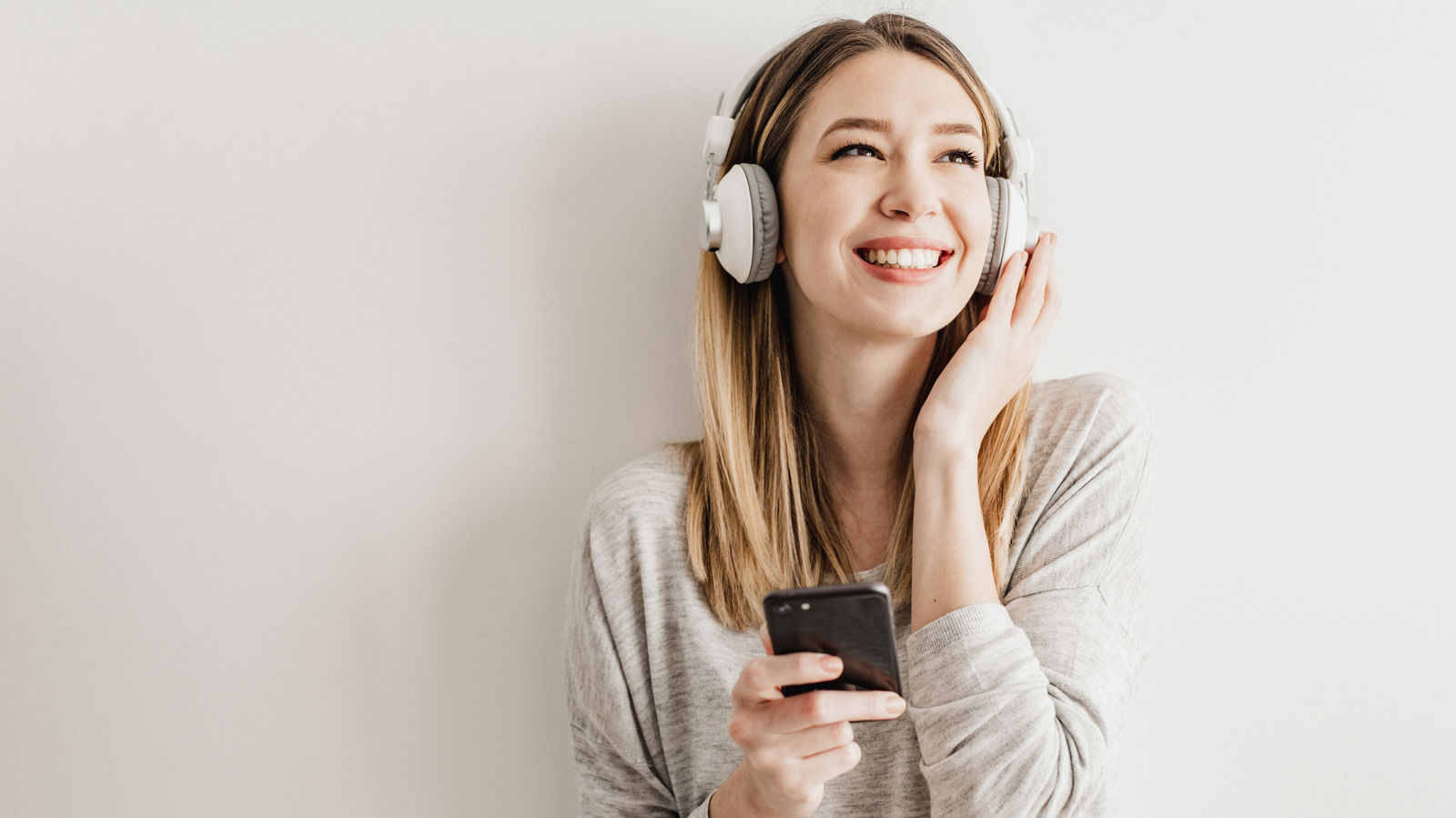
If you want the best quality out of your Bluetooth audio, it's worth reviewing some settings.
Bluetooth is perhaps one of the most enigmatic technologies around. Fittingly symbolized by Scandinavian runes and named after a king who likely had a nasty dental problem, this mysterious technology that transports data through the air is fairly difficult to fully comprehend in and of itself. To further complicate things, there are Bluetooth codecs — which determine the quality of the audio you hear — to contend with, but these are actually simpler than they seem once you learn the terminology.
Codec comes from the words "coder" and "decoder," and is the method in which your audio data is communicated from the source to your Bluetooth headphones or speakers. They're essentially like different languages — they're all communicating the same thing (your audio files), but doing so differently depending on the codec. Each codec has different limitations, as do the devices you're using. Even Bluetooth itself, despite improvements over the years , can only handle so much data: it caps out at around 2 Mbps, and no Bluetooth device can currently handle true lossless audio unless they simultaneously utilize a Wi-Fi connection.
Which Bluetooth codec is best is situational, dependent upon what devices you're using to send and receive audio and the quality of the audio itself. To best understand the difference between codecs, there are a few different measurements that are important to know. In simplified terms, it all comes down to bits of data.
Bit rate: How much data is sent per second; the more data that can be sent at once, the more of the original quality of the audio is preserved
Audio bit depth: This is the number of bits in each second of audio, which impacts the highs and lows of audio able to be communicated on the other side; the higher the bit depth, the better the dynamic range
Sample rate (kHz): The sample rate of the music per second — essentially how many times a snapshot of the audio is captured. The more it's sampled, the more accurate the snapshot. The most common sample rate in music production is 44.1kHz, which means that 44,100 snapshots are captured per second.
The standard codec is SBC, which is receivable by and included on every Bluetooth device. For all other codecs, it's a case-by-case basis for whether they'll be compatible with your device, making it important to check the finer details on your headphones or speakers. Some codecs, like the Sony-developed LDAC and Samsung Scalable, are proprietary, making the tech that supports it more niche. Though AptX codecs are more widely supported, it's still a family of codecs owned by Qualcomm, meaning that some (like AptX HD) require specific licensing if you want to, say, use it on your PC. Looking at just the raw data, this is how the most common Bluetooth codecs compare.
Read Full Story at Engadget →