What Nepal's floods reveal about “cascading hazards”
What Nepal's floods reveal about “cascading hazards” The Nepal disaster appears to be a “cascading event,” where one hazard seems to have triggered another, experts say By Milad Haghani , Zahra Sha…
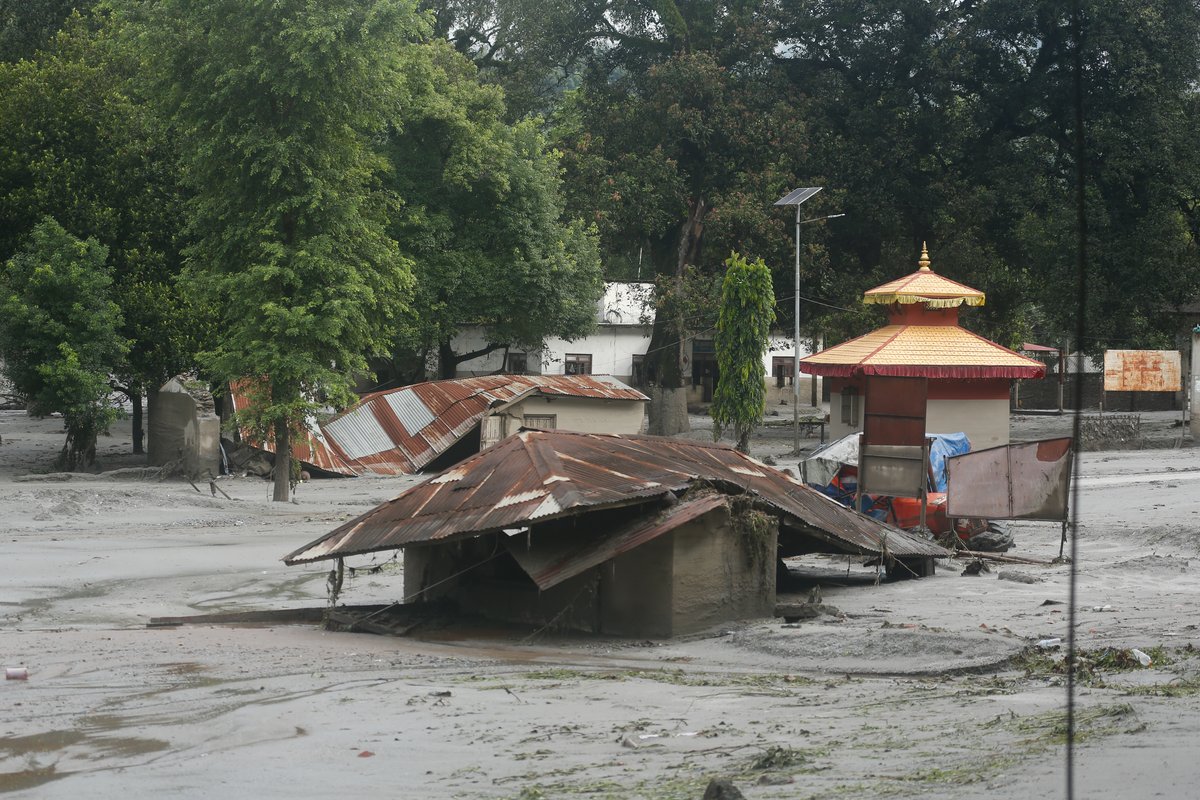
The Nepal disaster appears to be a “cascading event,” where one hazard seems to have triggered another, experts say
A catastrophic flash flood has struck northern Nepal on the Tibetan border, killing at least 157 people and leaving hundreds missing, including at least 34 Australians . The death toll is expected to rise.
Foreign tourists are among those feared dead or missing. Nepal’s tourism ministry reported 403 tourists unaccounted for, including 341 foreign nationals .
Footage shows torrents of mud and debris sweeping through settlements and carrying buildings and vehicles with them.
If you're enjoying this article, consider supporting our award-winning journalism by subscribing . By purchasing a subscription you are helping to ensure the future of impactful stories about the discoveries and ideas shaping our world today.
Early evidence suggests this was not an ordinary rain-driven flash flood, but what disaster science describes as a “cascading event”. So what do we know so far?
Investigators are examining a chain of events high in the Himalayas where one natural hazard seems to have triggered another.
Such phenomena are known as “cascading hazards”—chain reactions where an initial event directly triggers a sequence of subsequent events, often creating a much larger disaster.
Read Full Story at Scientific American →