Historians analyze 1600s Mughal news reports on Aurangzeb
Mughal India operated an advanced news network in the 1600s, using akhbarat to share court news and military updates across the empire in near real-time. Historians like Munis D Faruqui are now analyz
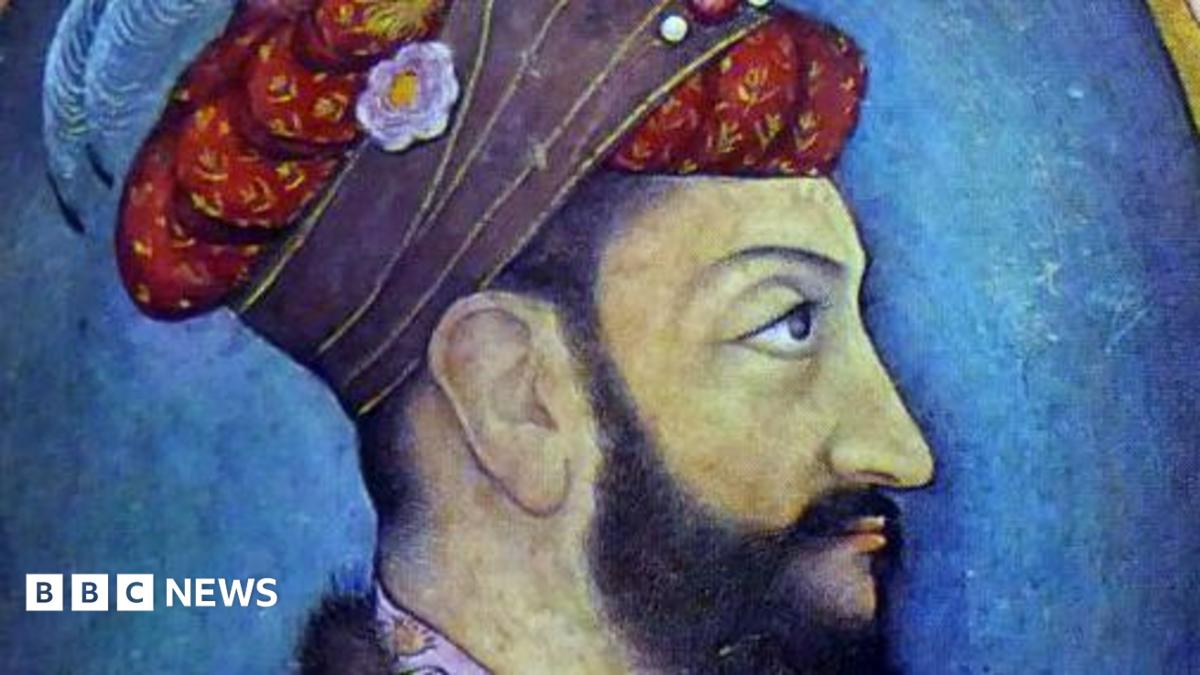
Mughal India ran a sophisticated news network in the 1600s, long before Europe had newspapers. Armies of scribes, agents and secretaries compiled akhb
Read Full Story at BBC World News →Why This Matters
Understanding the Mughal Empire’s news network challenges modern assumptions about pre-colonial communication systems. It reveals a sophisticated, centralized mechanism for disseminating information that rivaled Europe’s early news networks by centuries. This discovery forces a reevaluation of how empires managed control and identity long before the telegraph or print revolution.
Background Context
The Mughal *akhbarat* system relied on a hierarchy of scribes and runners to transmit court decrees, military reports, and diplomatic updates across thousands of miles. Unlike sporadic European newsletters, these dispatches were standardized, with meticulous records preserved for posterity—a rarity in an era when most information was ephemeral. The empire’s vast bureaucracy also ensured that news wasn’t just top-down; provincial governors fed reports upward, creating a feedback loop absent in many contemporary states.
What Happens Next
Further analysis of these records could uncover patterns in how the Mughals balanced secrecy with transparency, particularly during crises like succession disputes or regional rebellions. Scholars may also compare these networks to those of the Ottomans or Safavids to map the flow of information across early modern Eurasia. As digital archives of these documents expand, historians will need to grapple with whether such systems ultimately strengthened or undermined imperial cohesion.
Bigger Picture
This episode underscores how empires have long weaponized information, not just through propaganda but through the architecture of communication itself. In an age where social media algorithms dictate what reaches audiences, the Mughal model—a blend of centralized control and localized feedback—offers a provocative case study in managing scale and diversity. It also invites questions about how non-Western societies innovated in governance long before the rise of the nation-state.




