What to consider when buying an Ethernet switch for your home network
The right Ethernet switch can add ports without slowing your network or saddling you with features you don't need. If you're running out of Ethernet ports, that doesn't mean you need another router …
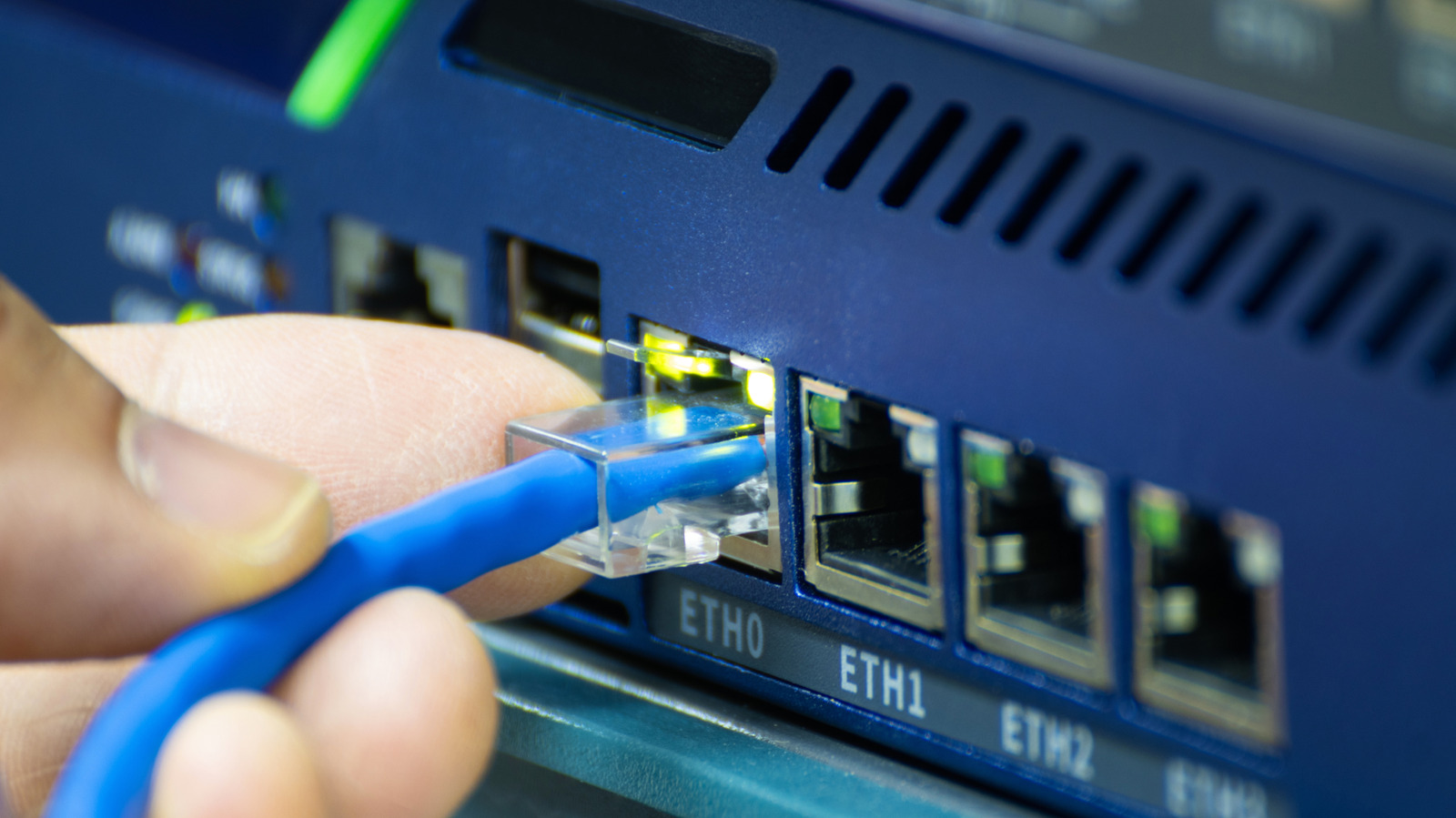
The right Ethernet switch can add ports without slowing your network or saddling you with features you don't need.
If you're running out of Ethernet ports, that doesn't mean you need another router . If your Wi-Fi coverage is already working well, an Ethernet switch is the simpler option to connect additional PCs, game consoles, TVs, network-attached storage and other wired devices.
However, shopping for an Ethernet switch gets complicated quickly. There are five-port and eight-port models, Gigabit and multi-gig options, and managed switches with settings that most people will never use. Buying the one with the most numbers on the box doesn't mean it will be the best for you. The best approach is picking a switch that will accommodate your existing network and leave room for future devices.
The port count is the simple part, though there is a catch. Typically, you'll use one port to connect the switch to your router, leaving four ports for other devices on a five-port switch. If you need four more ports right now, an eight-port switch (with room for seven devices) gives more breathing room for future devices.
Speed takes a little more thought. If your internet connection, router and wired devices all max out at Gigabit speeds, then a 1GbE switch is perfectly reasonable. If you have multi-gig internet, a newer PC with 2.5GbE or a fast NAS with multi-gig networking, then a 2.5GbE switch makes more sense. It also avoids jumping up to pricier 10GbE hardware if you don't really need that.
What's vital is that the switch shouldn't become the bottleneck. If the router has a 2.5Gbps port and the switch is limited to 1GbE, the traffic between the router and switch will be limited to 1GbE. The same applies at the other end: plugging a device with a 1GbE port into a 2.5GbE switch doesn't magically make it faster.
Internet speed isn't the whole story , either. Two 10GbE-capable devices connected to the same 10GbE switch can move files across your local network much faster than your internet plan allows, which can matter for large NAS backups or video files. And 2.5GBASE-T can run over existing Cat5e cabling, so moving beyond Gigabit doesn't necessarily mean rewiring the house.
For a lot of homes, an unmanaged switch is all you need. These add more ports without requiring any configuration. Just plug one into your router, hook up your devices and get on with your life. You can even use methods to wire in more devices without Ethernet .
Read Full Story at Engadget →