Pedro Sanchez meets Algerian leaders to address Algeria-Morocco tensions
Spanish Prime Minister Pedro Sanchez met with Algerian leaders to address tensions stemming from Spain's support of Morocco's Western Sahara autonomy proposal. The ongoing rivalry between Algeria and…
Spanish Prime Minister Pedro Sanchez met with Algerian President Abdelmadjid Tebboune and Prime Minister Sifi Ghrieb in Algiers on July 20, 2026. The talks aimed to address a diplomatic crisis that began in 2022, when Spain publicly supported Morocco’s autonomy proposal for Western Sahara, angering Algeria. This meeting underscores the fragile relationships in North Africa, where historical grievances and territorial disputes continue to shape regional dynamics.
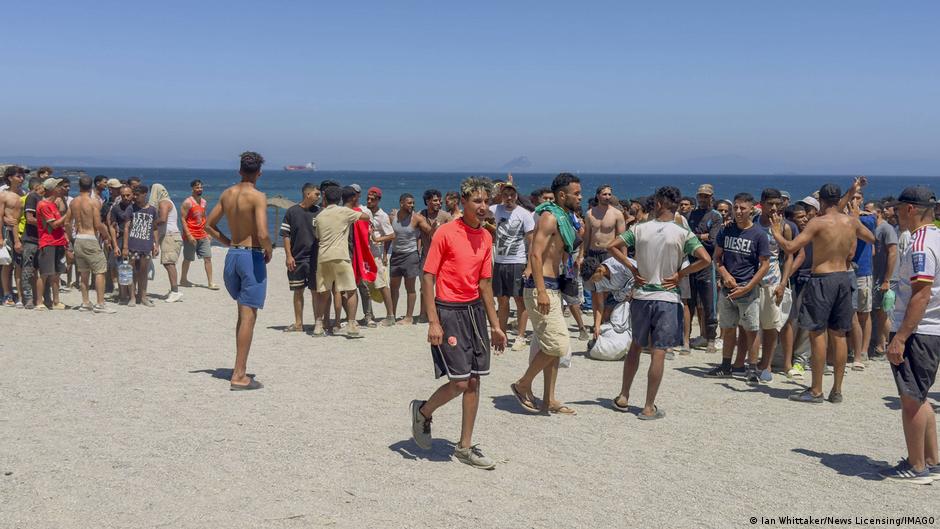
The backdrop of this diplomatic engagement highlights the ongoing tensions between Algeria and Morocco, primarily fueled by their conflicting positions on Western Sahara. After Spain withdrew from the territory in 1975, Morocco claimed it as part of its national territory, while Algeria has backed the Polisario Front in its quest for Sahrawi independence. The recent spike in tensions, including accusations of Moroccan interference in the migration of thousands of migrants to the Spanish exclave of Ceuta, reflects the deep-seated rivalry that complicates any potential resolution to the conflict.
Moroccan officials have denied claims of orchestrating the migrant surge as a strategic maneuver against Spain. Rachid El Khalfi, a spokesperson for the Moroccan interior ministry, dismissed these allegations as stemming from misinformation. Meanwhile, experts suggest that such claims may not accurately reflect the complexities of the situation. The border incident and the accompanying rhetoric illustrate how the Western Sahara conflict has evolved, becoming entangled with broader issues of national identity and regional influence in the Maghreb.
This rivalry has significant implications for economic cooperation in North Africa. The ongoing dispute hampers potential integration efforts, leaving organizations like the Arab Maghreb Union largely ineffective. As both countries continue to prioritize their territorial claims and political narratives, the path toward a collaborative future in the region remains obstructed. The stalemate over Western Sahara not only affects bilateral relations but also stifles economic growth and stability across North Africa.
Read Full Story at DW World →




