When atrocities return: The cost of failed accountability in Tigray
When Ethiopia’s federal government and Tigrayan forces signed the Cessation of Hostilities Agreement in November 2022, it appeared that one of Africa’s deadliest conflicts had finally come to an end.…

When Ethiopia’s federal government and Tigrayan forces signed the Cessation of Hostilities Agreement in November 2022, it appeared that one of Africa’s deadliest conflicts had finally come to an end.
The guns fell silent, reconstruction began, and millions of Ethiopians hoped the postwar period would bring justice for atrocities committed during the conflict.
Amnesty International argues that those hopes were never realised.
Instead of investigating abuses documented by international and local human rights organisations, accountability efforts steadily unravelled. International investigative mandates were allowed to expire, the Ethiopian government abandoned its proposed transitional justice process, and allegations of war crimes and crimes against humanity remained largely uninvestigated and unpunished.
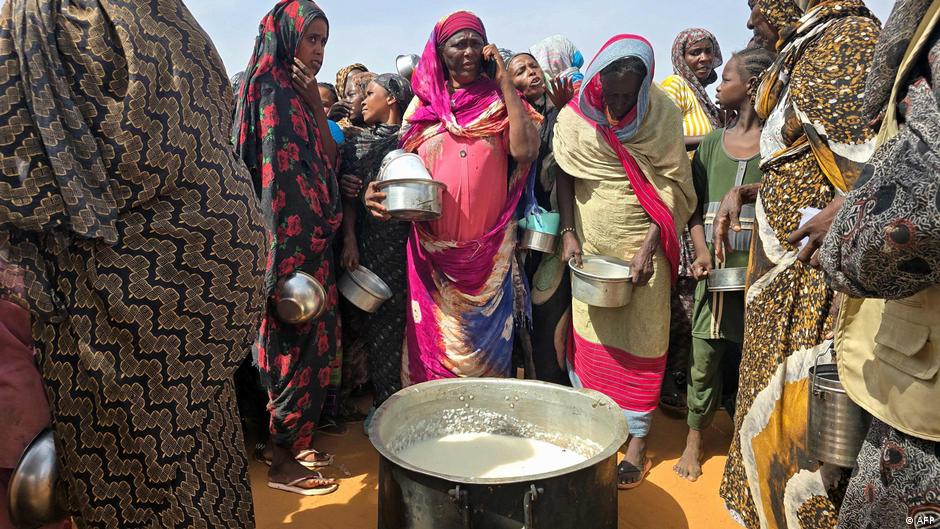
Today, less than four years after the agreement was signed, fighting has returned to Tigray.
Amnesty says the clashes that erupted in early August between Tigrayan forces and the Ethiopian National Defence Force are a stark reminder of the dangers of impunity. The organisation warns that civilians once again face the risk of serious human rights abuses, even though the region has yet to recover from the devastation of the previous war.
The renewed fighting comes amid ongoing conflicts in Ethiopia’s Amhara and Oromia regions, where Amnesty says grave human rights violations continue to be committed. Together, the organisation argues, these conflicts reflect the widening scope of Ethiopia’s security and human rights crisis.
During the war in northern Ethiopia between November 2020 and November 2022, Amnesty International and other international organisations documented widespread abuses that they said could amount to war crimes and crimes against humanity.
Read Full Story at Al Jazeera →