When trade soured, this American liquor maker moved to Canada
Phillips Distilling relocated Sour Puss production to Canada after a 70% sales drop due to a Canadian boycott over US tariffs. The move restored availability, but the trade dispute persists, impacting other US liquor producers.
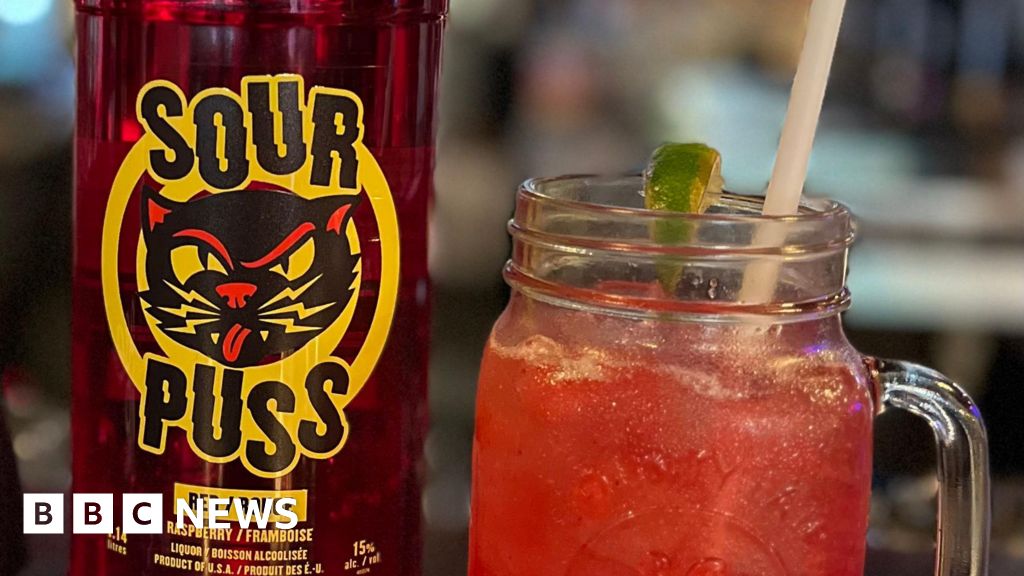
A popular American-made fruit liqueur that became a staple in Canadian student culture has been thrust into the centre of a bitter trade dispute between Washington and Ottawa, forcing one US producer to relocate production north of the border. Sour Puss, a brightly coloured, tropical-flavoured liqueur produced by Minnesota-based Phillips Distilling, enjoyed a loyal following among Canadian university students for years—until Canadian provinces began boycotting American liquor in retaliation for US President Donald Trump’s tariffs. The move left many Canadian consumers scrambling, including Stephanie Intrevado, a 35-year-old from Quebec who had been collecting hard-to-find Sour Puss flavours since she first tried the drink at 18. “I was shocked when I found out it was American-made,” she said. “I suddenly worried about where my next bottle would come from.”
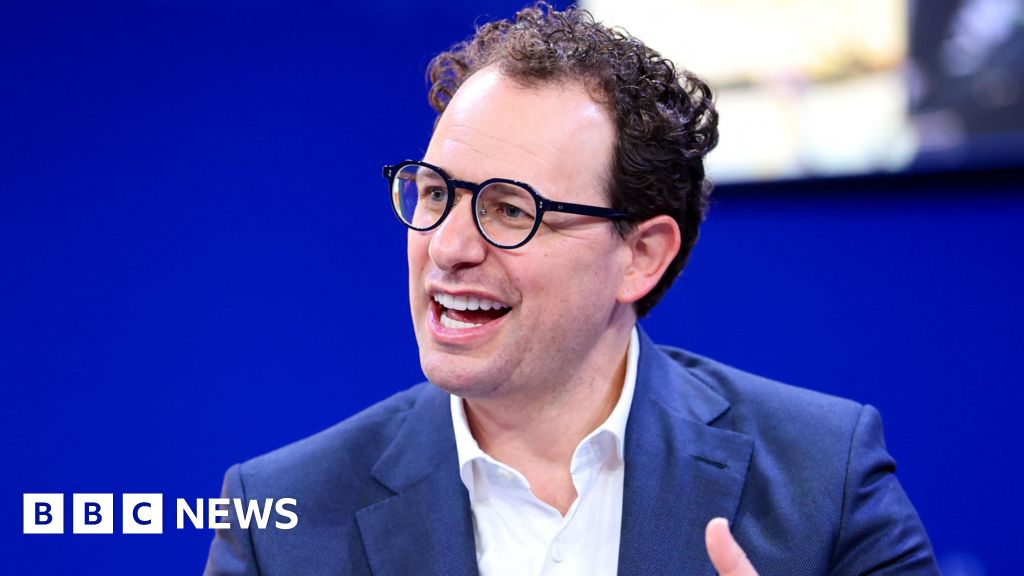
The boycott, which began in early 2025 and expanded across most Canadian provinces, cut Phillips Distilling’s Canadian sales by 70%, with Sour Puss hit hardest due to its overwhelming popularity north of the border. At the height of its Canadian success, Phillips sold just 1,000 cases in the US, underscoring how dependent the brand had become on the Canadian market. Facing what CEO Andy England described as “a disaster,” the company made an unprecedented decision: it moved some production to Canada. The shift proved successful, allowing Sour Puss to return to store shelves across the country. “We’re in a different place now,” England told the BBC. “We produce and sell in Canada. We’ve convinced provinces to take back our products, and we’re on the road to recovery.”
The dispute shows no sign of abating, however. While Phillips Distilling has managed to adapt, many other US liquor producers have suffered significant financial losses amid the ongoing trade war. The boycott began in Ontario—the world’s largest wholesale purchaser of alcohol—and soon spread to Quebec, British Columbia, and six other provinces. As of May 2026, only Alberta and Saskatchewan, which operate privatised liquor systems, continue selling American alcohol. The boycott has become a key sticking point in stalled trade negotiations, with Canada demanding the lifting of US tariffs on automotive, metals, and lumber in exchange for reconsidering the liquor ban.
For Phillips Distilling, the crisis has reshaped its business model. Once overwhelmingly dependent on Canadian demand, the company now operates dual production lines, ensuring its products remain accessible in the country. Whether other US liquor makers follow suit remains uncertain, but for now, Phillips stands as a rare example of adaptation in a trade dispute that has left many in the industry struggling to navigate an increasingly sour relationship between two of the world’s largest economies.