Scientists discover amino acids in space, but complex life compounds absent
Scientists have detected amino acids and simple sugars in space, but more complex organic compounds essential for life have not yet been found. This distinction is important as it influences the unde…
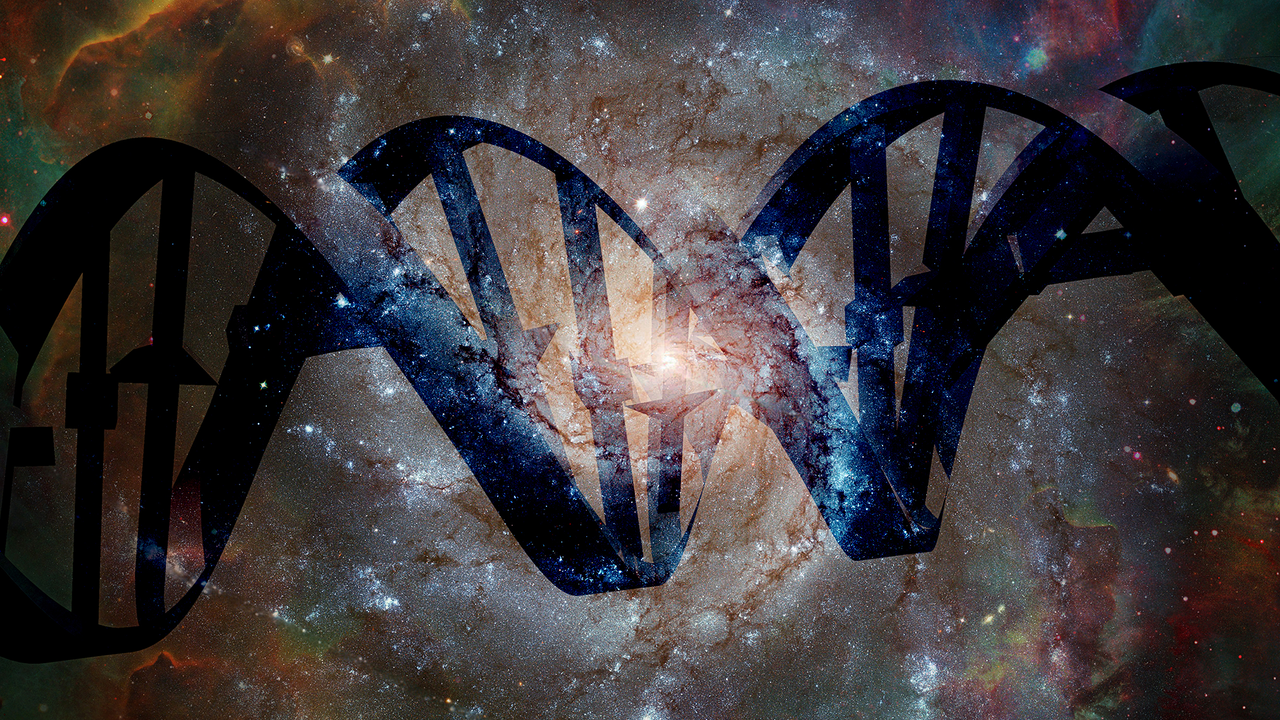
Scientists have identified several key building blocks of life in space, notably amino acids and simple sugars, but remain uncertain about the presence of more complex organic compounds. Notable discoveries include amino acids found in meteorites and comets, as well as sugar molecules detected in interstellar dust clouds. These findings have sparked interest in the potential for life beyond Earth, raising questions about how these essential ingredients for life are distributed throughout the universe.
The current focus on these compounds stems from ongoing research into astrobiology and the search for extraterrestrial life. As technology advances, scientists can analyze samples from space more thoroughly. Missions to celestial bodies, such as Mars and the moons of Jupiter and Saturn, have also heightened interest in the elemental composition of these bodies. The recent discovery of amino acids in samples from the asteroid Ryugu and the comet 67P/Churyumov-Gerasimenko emphasizes the need to understand the origins of life's building blocks.
Recent studies reveal that while some amino acids have been confirmed in space, complex proteins and nucleic acids, which are essential for life as we know it, have yet to be detected. This distinction is crucial because it hints at the environmental conditions necessary for life to emerge. The absence of more complex molecules raises questions about the likelihood of life developing in environments similar to those found in our solar system.
Looking ahead, the quest for understanding life’s building blocks in space continues. Upcoming missions, such as the European Space Agency's JUICE mission to Jupiter's moons and NASA's Artemis program aimed at returning humans to the Moon, may provide further insight into the chemical precursors of life. These explorations could uncover whether the ingredients for life are widespread in our universe, potentially reshaping our understanding of where and how life can exist beyond Earth.
Read Full Story at Live Science →