Google, MIT study: AI accelerates analysis, not lab experiments
A Google and MIT study reveals that while 62% of papers cite AI for analysis, only 9% use it to run experiments. This gap persists because labs lack automated platforms to execute AI predictions with…
A joint study by Google, Google DeepMind and MIT shows that while scientists are using artificial intelligence in more than half of their research papers, the technology has yet to speed up the actual work done in laboratory benches. The report, released last week, found that only a small fraction of studies apply AI to design or run experiments, meaning the promise of faster discovery has not yet translated into faster lab results.
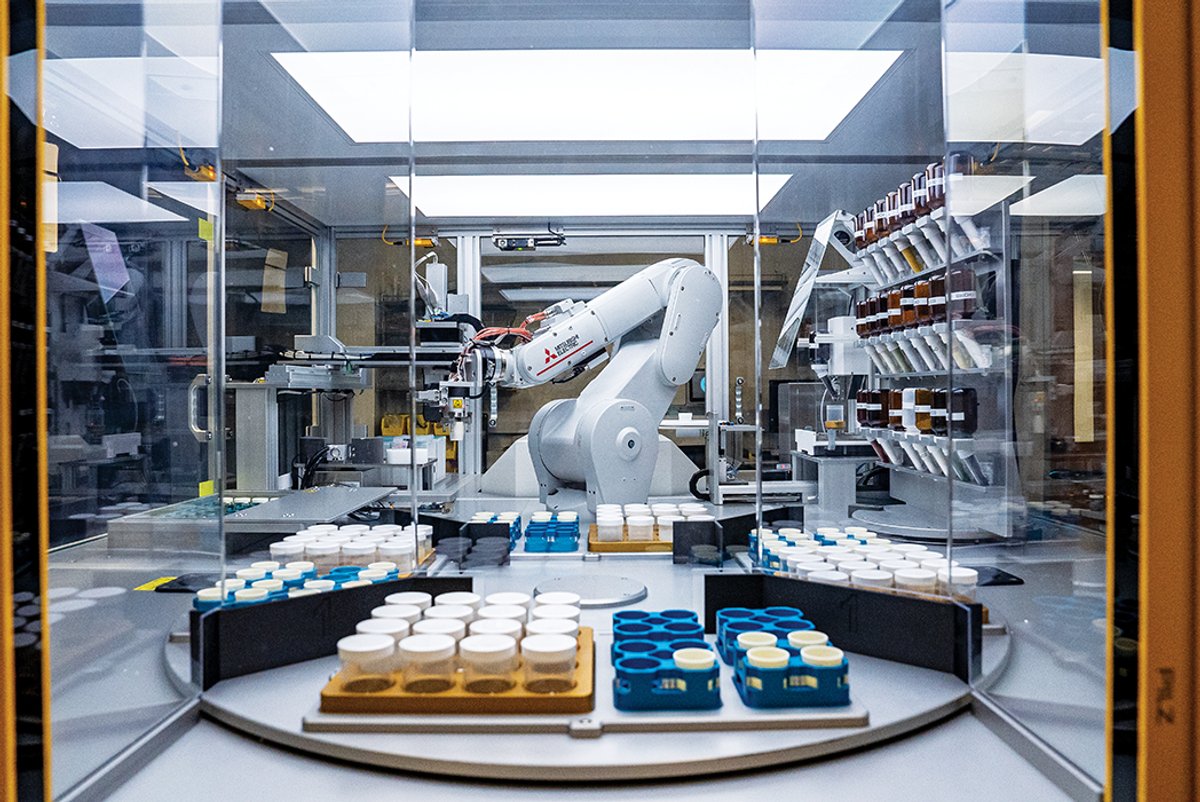
The surge in AI use comes from a growing need to sift through massive data sets and to model complex systems. In fields such as genomics, chemistry and materials science, AI algorithms can predict how molecules will behave, suggest new compounds and flag promising experiments. That has led to a wave of papers that cite machine‑learning models as a core part of their methodology. Yet the jump from a computer model to a physical experiment requires equipment, reagents and skilled technicians—resources that many labs still acquire manually. The report argues that the bottleneck lies in the lack of integrated, automated lab platforms that can take AI predictions and execute them without human intervention.
According to the study, 62 % of the 1,200 papers examined mentioned AI in the methods section, but only 9 % reported using AI to actually set up or run the experiments. Researchers interviewed for the report noted that AI is most useful for data analysis and hypothesis generation, not for controlling pipettes or incubators. “We can ask an AI to tell us which chemical reactions are worth trying, but the lab still has to do the pipetting, the heating and the safety checks,” said Dr. Elena Rossi, a biochemist at the University of Cambridge. The report also highlighted that early adopters of robotic platforms that integrate AI are beginning to see faster turnaround times, but these systems remain expensive and require specialised programming.
The findings suggest a next step for the scientific community: investment in “digital labs” that combine high‑throughput robotics with AI decision‑making. Funding agencies are already piloting grants that require labs to adopt automated workflows, and several start‑ups are developing open‑source software to bridge the gap between AI models and laboratory hardware. If the trend continues, the gap between computational predictions and experimental validation could shrink, accelerating the pace of drug discovery, new materials and environmental solutions. For now, however, the promise of AI to speed science remains largely on paper, while the hands‑on work in the lab still proceeds at its traditional pace.
Read Full Story at Scientific American →