Why are IMAX cameras so notoriously loud?
There's a reason why most modern cinematic releases are filmed digitally. True, traditional IMAX filmmaking is not for novices. The entire process is time consuming, not to mention expensive. Most f…
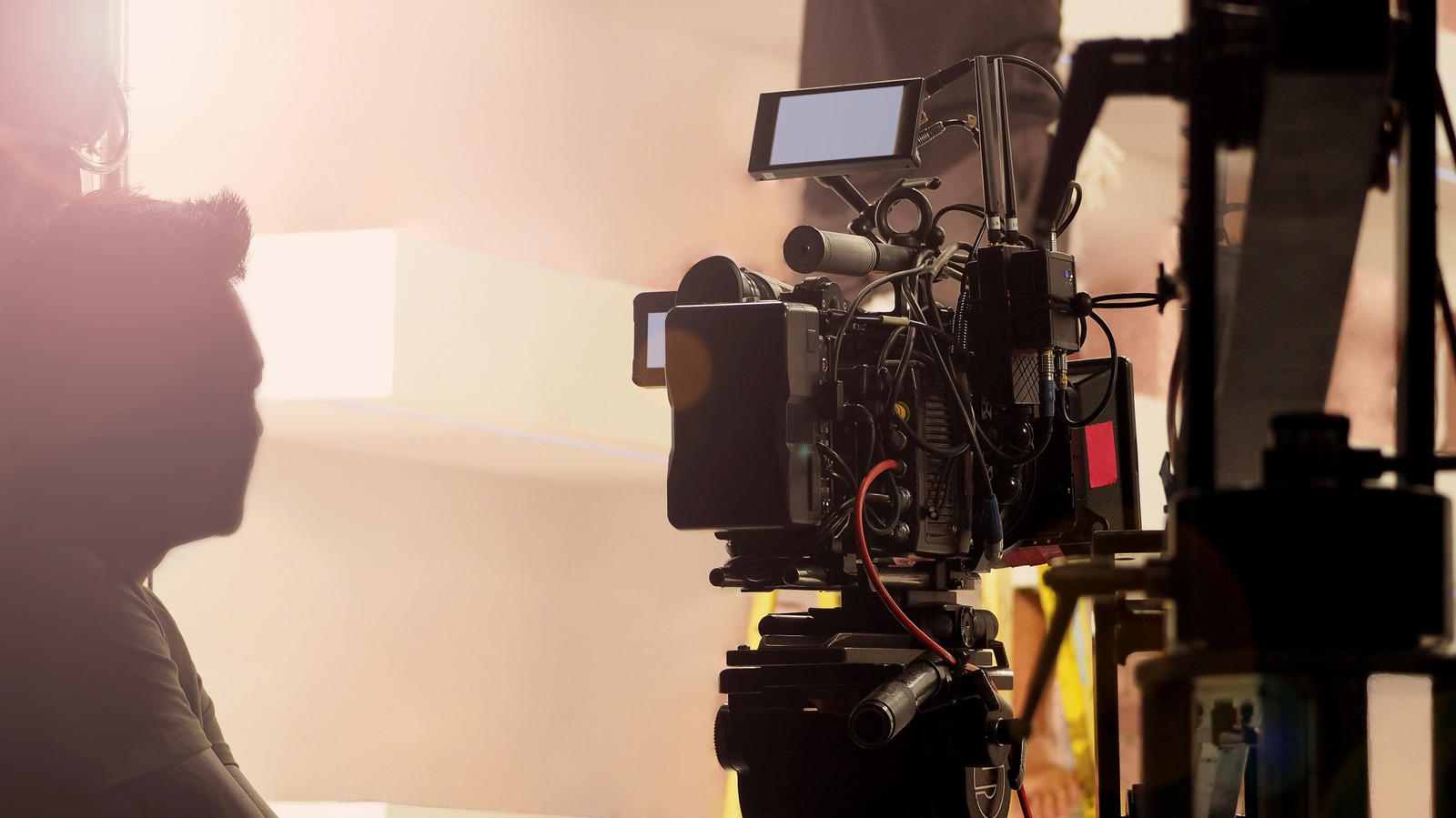
There's a reason why most modern cinematic releases are filmed digitally.
True, traditional IMAX filmmaking is not for novices. The entire process is time consuming, not to mention expensive. Most filmmakers aren't making their next movie using 70mm IMAX film, and if there's one point to blame, it's probably to do with the camera.
An IMAX 15/70 film camera is very bulky and expensive to operate. Even if we assume that money isn't a problem, they're loud. Very loud. You can expect to hear a non-stop mechanical whine when you start rolling with an IMAX film camera. The enormous strip of film that races through it has to be held completely flat while each frame is exposed, with the vacuum system that performs the role just adding to the noise. Combined, you've got a camera that might capture outstanding-quality film, but isn't particularly easy to work with.
We'll need to go back to basics to explain why an IMAX camera is as loud as it is. Film cameras record a series of still images. Each frame must be held motionless behind the lens while it's exposed, with the camera advancing the film and repeating the process. That entire cycle usually happens 24 times every second with a standard cinematic film camera.
An IMAX camera has much more film to move, quite literally. The format is known as 15/70 because each frame on a 70mm projection print spans 15 perforations , or sprocket holes, which are the small holes that run along the edges of the film that help the camera position each frame. During filming, the camera runs a 65mm negative horizontally, again using 15 sprocket holes for each frame rather than the five used by a conventional 65mm camera. The resulting image ends up being roughly three times larger.
At 24 frames a second, that's 360 sprocket holes of film a second. That's 5.6 feet per second, or 336 feet a minute. Each 1,000-foot film magazine provides around three minutes of recording time.
It's important to make clear how expansive this operation is. That's a lot of film, both in size and weight. Moving it requires a powerful motor. The movement, not to mention the camera's magazine and shutter operation, are adding more noise into the mix. The film has to repeatedly move and settle into place. The sheer size of the film and camera involved, and the speed it needs to work through, helps create a mechanical rattle that you'll probably hear in behind-the-scenes footage, like this clip showing IMAX 15/70 film cameras on the set of Nope .
While film that big and heavy is a noise problem for IMAX cameras, it's only part of the problem. With each frame needing to sit completely flat behind the lens, the film can easily retain some curl after it's been wound inside a magazine. A small bend that breaks the plane of focus can ruin the entire film.
Read Full Story at Engadget →