Complex hardware engineering makes iPhones cost more than iPads
iPhones cost more than iPads because fitting complex cellular and communication hardware into a small body requires expensive engineering. This makes the iPhone a primary communication device, while …
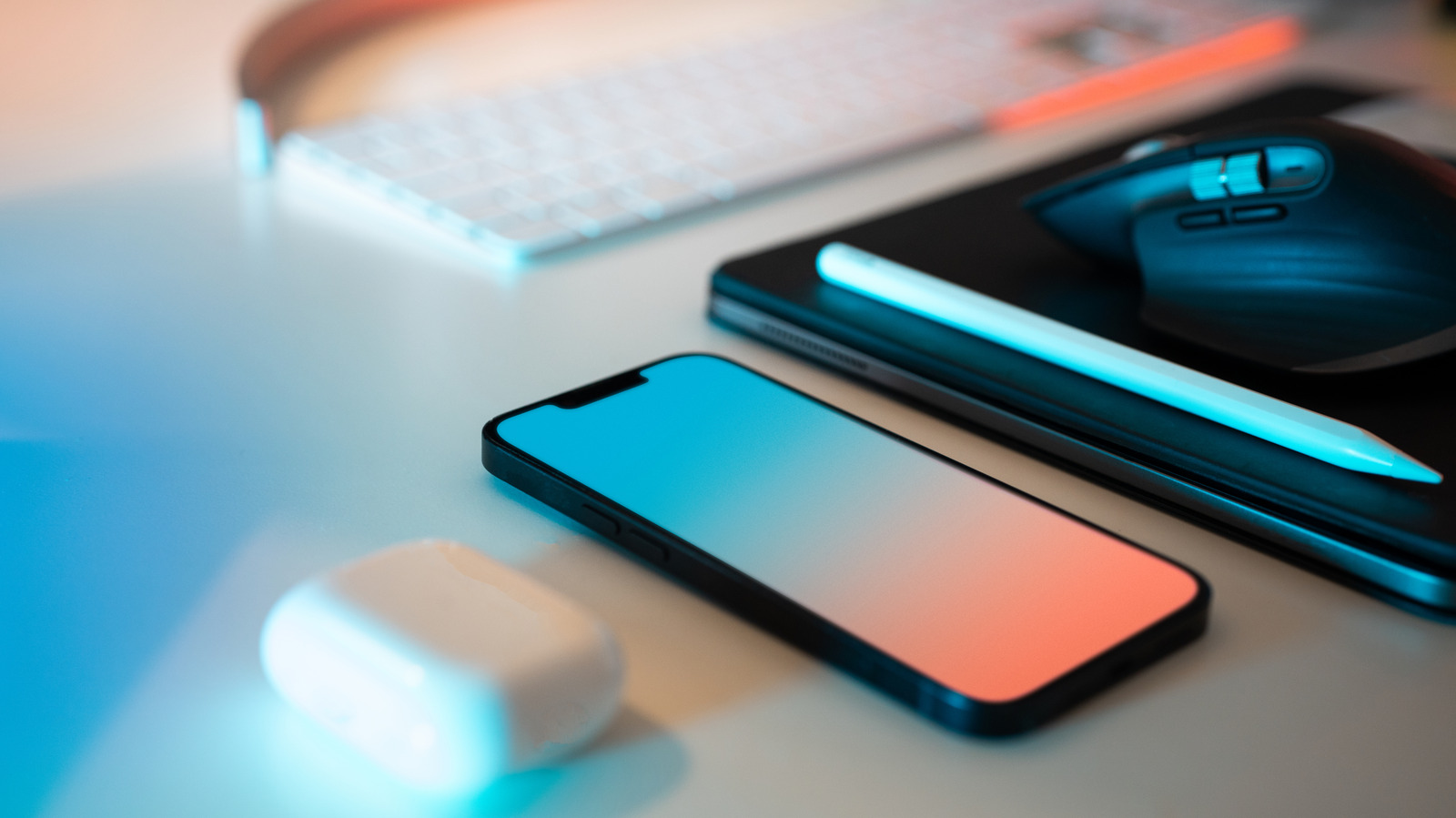
Apple’s entry-level iPhone 17e costs $599, while the most affordable 11th-generation iPad is priced at just $449. This pricing structure defies the common assumption that larger devices always command a higher price tag. In most consumer electronics categories, such as televisions or laptops, a bigger screen size directly correlates with a higher cost. However, Apple has structured its mobile device lineup so that the base model smartphone is significantly more expensive than its smallest tablet. This discrepancy is not a mistake but a deliberate result of engineering complexity, hardware differentiation, and distinct market strategies. The iPhone is designed to be a primary communication device, whereas the base iPad serves as a secondary media consumption tool. Understanding this price gap requires looking past the physical size of the devices and examining the internal components and capabilities that drive manufacturing costs.
The primary driver of the iPhone’s higher price is the extreme engineering required to fit complex technology into a tiny form factor. Engineers must meticulously arrange the motherboard, battery, system-on-chip, radios, sensors, and speakers within a narrow space. This compact design prevents components from interfering with each other and manages heat dissipation without adding bulk. In contrast, the larger interior of an iPad gives designers more room to work. They do not need to engage in the same intensive research to minimize component size, which reduces development and manufacturing costs. Furthermore, the iPhone includes essential telecommunications hardware that the iPad lacks. Every iPhone contains the radios and antennas necessary for traditional cellular voice calls. Even cellular-enabled iPads are data-only devices, relying on Wi-Fi calling or connection to an iPhone for voice communication. This additional hardware in the phone adds significant cost that is absent in the tablet’s design.
Display technology and camera systems further widen the price gap between the two product lines. Every model in the new iPhone 17 series features an OLED screen with ProMotion technology, capable of refreshing at 120Hz for smoother visuals. OLED panels are inherently more expensive to produce than the LCD screens found in all non-Pro iPad models, which are limited to a 60Hz refresh rate. The camera systems also differ drastically in quality and capability. The iPhone 17 boasts dual 48-megapixel rear cameras with advanced features like optical zoom, superior low-light performance, and Cinematic video mode. Conversely, even the high-end M5 iPad Pro is equipped with only a 12-megapixel camera. The base iPad’s camera is designed primarily for document scanning or quick snapshots, lacking the sophisticated optics and processing power found in the phone. Additionally, the entry-level iPad often utilizes older processors, such as the A16 chip from 2022, while maintaining lower build materials and missing features like MagSafe charging and IP water resistance.
This pricing strategy reflects Apple’s segmentation of its product lines into primary and secondary devices. The iPhone is positioned as an essential daily tool for communication, media, and creation, justifying a higher entry price through superior hardware and engineering. The base iPad, while still a powerful device, is marketed as an accessible option for casual browsing, video streaming, and light productivity. Consumers who prioritize high-quality photography, voice calling, and premium display technology must pay the premium for an iPhone. Those who value screen real estate for media consumption but do not need advanced camera systems or cellular voice capabilities can opt for the more affordable iPad. As technology evolves, these distinctions will likely remain, with the iPhone continuing to serve as the flagship device that drives innovation and higher margins, while the iPad offers a more cost-effective entry point into the Apple ecosystem for specific use cases.
Read Full Story at Engadget →