More than half of young Mormon women leave faith over inequality issues
More than half of young Latter-day Saint women are leaving the faith, threatening the church's future. This exodus stems from conflicts over purity culture, political alignment, and gender inequality.
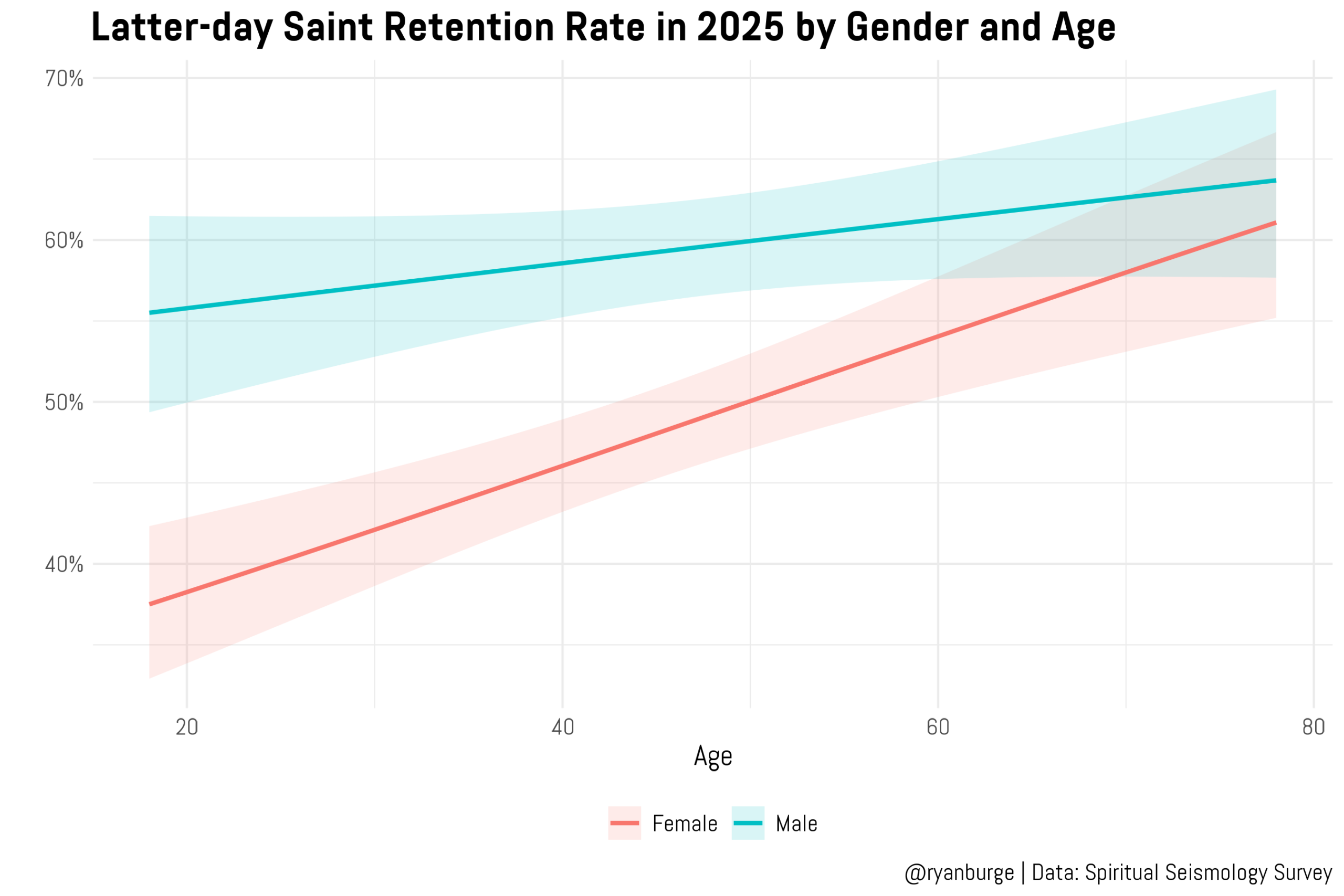
A new analysis of demographic data reveals that more than half of young women who were raised in The Church of Jesus Christ of Latter-day Saints have left the faith. This exodus represents a significant shift in the religious landscape of America and signals a potential crisis for an institution that has long prided itself on high retention rates and strong family units. The trend is not uniform across all demographics, but the data is particularly stark for women in their twenties and thirties, who are departing the church at rates that far exceed those of their male counterparts or older generations. This departure is not merely a statistical blip but a structural change that threatens the future vitality of the denomination, which relies heavily on the active participation of its female members to sustain its community centers, charitable works, and religious education programs.
The reasons for this departure are deeply rooted in a clash between modern values and traditional church teachings. Many young women are reacting against what they perceive as an oppressive purity culture that places the burden of sexual morality almost entirely on female behavior. This cultural framework, which emphasizes modesty and abstinence until marriage, has increasingly come into conflict with a generation that values bodily autonomy and sexual freedom. Furthermore, political alignment has become a majorfactor. As the church has moved closer to the Republican Party and adopted conservative stances on issues like LGBTQ+ rights and reproductive freedom, many young women have found themselves alienated. They see a disconnect between the church’s message of love and compassion and its political actions, which they often view as discriminatory or harmful to marginalized communities. The feeling of powerlessness within the male-dominated hierarchy also plays a crucial role. Women are barred from holding the highest offices in the church and have limited input in doctrinal decisions, leading to a sense of disenfranchisement that drives many to seek communities where their voices are heard and valued.
This mass departure has profound implications for the future of the LDS Church. The loss of young women means a decline in the number of women available to fill essential roles in youth organizations, temple work, and local ward activities. It also impacts birth rates within the community, as those who leave are less likely to adhere to the church’s strong encouragement of large families. Church leaders have acknowledged the challenge and have made some efforts to modernize, such as raising the age of missionary service for women and allowing women to speak more frequently in general conferences. However, many critics argue that these changes are superficial and do not address the core issues of gender inequality and political conservatism. The church faces a difficult choice: it can cling to its traditional doctrines and risk further decline, or it can undergo significant cultural and theological reforms to retain its younger members.
What happens next will likely determine the trajectory of the church in the coming decades. If the trend continues, the LDS Church may find itself increasingly isolated and shrinking, much like other traditional religious institutions in the West. Conversely, if the church can successfully navigate these cultural shifts and address the concerns of its female members, it may stabilize and even grow. For now, the exodus of young women serves as a powerful indicator of the broader tensions between tradition and modernity in American religion. It highlights the growing demand for inclusivity, equity, and political neutrality in religious spaces, and it challenges the LDS Church to reconsider its role in a rapidly changing world. The story of these young women is not just about leaving a religion; it is about seeking a place where their identities and values are respected and affirmed.
Read Full Story at Religion News Service →