Veterinarians explain why cats yowl during distress and mating season.
Cats yowl due to distress, frustration, or a need for attention, particularly during mating season or when unwell. Recognizing the reasons behind this vocalization is crucial for owners to ensure the…
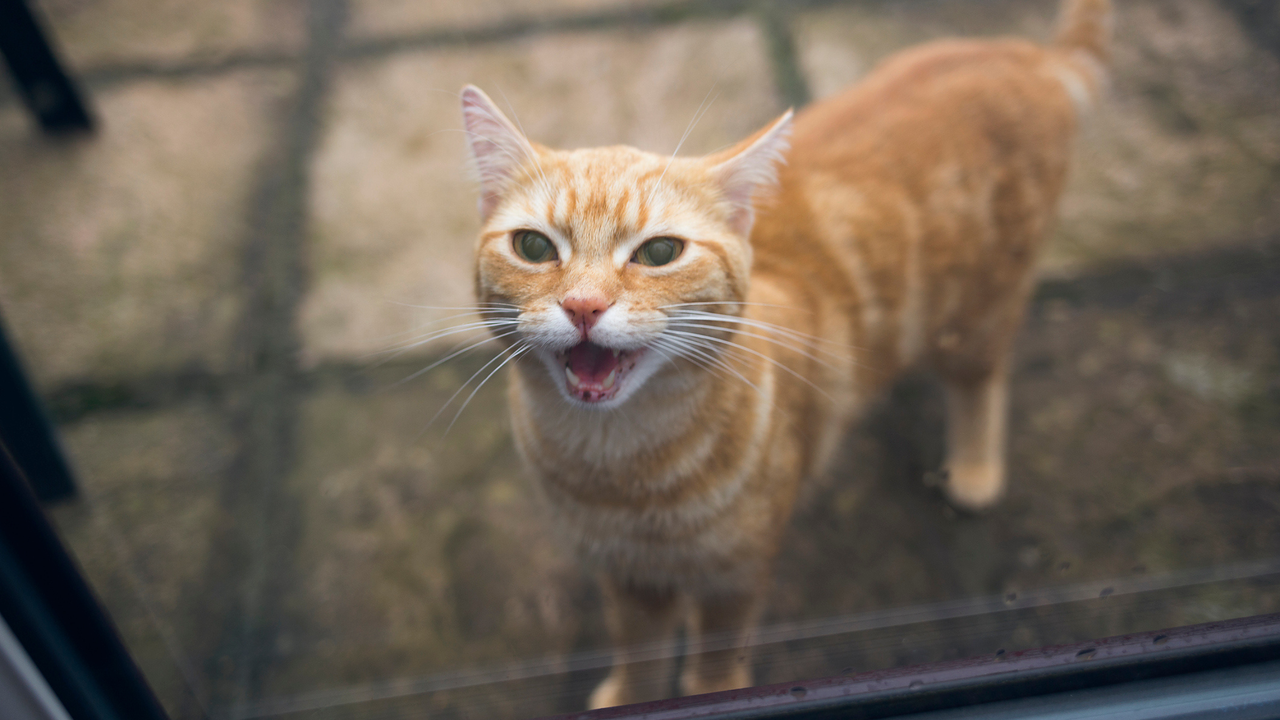
Cats yowl for various reasons, often indicating distress, frustration, or a need for attention. This vocalization can occur at any time but is particularly common during mating season or when a cat is feeling unwell. Understanding why a feline is yowling requires looking at its behavior and the emotional context behind the sound.
Cats are naturally vocal animals, but certain situations can trigger more intense sounds. For instance, female cats in heat may yowl to attract males, while older cats may do so when they experience confusion or discomfort. Feline yowling often signals a desire for communication, whether it’s to request food, express loneliness, or indicate a medical issue. Owners should pay close attention to changes in their cat's vocal patterns, as this can provide essential clues about their health and well-being.
Veterinary experts emphasize the importance of addressing excessive yowling. A sudden increase in vocalization can indicate underlying health problems, such as dental pain, hyperthyroidism, or cognitive dysfunction in older cats. Cat owners are encouraged to consult with a veterinarian if they notice persistent yowling, particularly if it is accompanied by other changes in behavior, such as altered eating habits or litter box avoidance.
Understanding the reasons behind a cat's yowl matters because it can enhance the human-animal bond. By responding to their pet's vocalizations, owners can improve their cats' emotional and physical health. This knowledge can lead to better care strategies, ensuring that cats receive the attention and medical help they need, ultimately leading to happier and healthier pets.
Read Full Story at Live Science →