Hollywood embraces Catholic themes in horror films to explore morality
Hollywood is increasingly using Catholic symbols and rituals in horror films, such as "The Nun" and "The Exorcist: Believer," to tap into cultural fears and explore themes of morality. This trend ref…
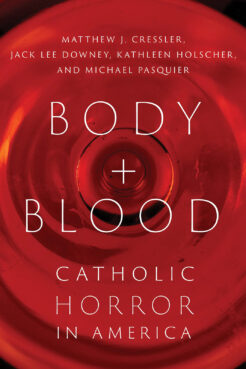
‘When a vampire is at your door or your child is possessed, you don’t call for a Methodist,’ said Matthew J. Cressler, co‑author of the new book Body and Blood: Catholic Horror in America, released this week. The book argues that Hollywood’s latest wave of horror films and series is deliberately tapping Catholic symbols, rituals and theology to heighten fear. Cressler and his colleague, historian Sarah J. Miller, note that in the past twelve months at least twelve high‑profile projects – from The Nun to The Exorcist: Believer – have placed Catholic priests, relics or sacraments at the centre of their scares.
The trend reflects a broader cultural shift. Catholicism remains the largest single Christian tradition in the United States, yet its influence has waned in everyday life. Filmmakers see the Church’s rich visual language – incense, Latin chants, crucifixes – as instantly recognizable shorthand for the supernatural. At the same time, a resurgence of interest in religious folklore coincides with a post‑pandemic appetite for stories about unseen threats and moral ambiguity. Streaming platforms have amplified the demand, funding series that can blend high production values with niche thematic hooks. The result is a flood of content that uses Catholic rites not just for shock, but to explore questions of guilt, redemption and authority.
Industry insiders say the formula works. The Nun grossed $365 million worldwide, and the recent The Exorcist: Believer opened to a $30 million domestic debut, far outpacing other horror releases this year. Producers cite the “built‑in tension” of a priest confronting evil as a reliable draw for audiences. Cressler notes that Catholic consultants are now standard on horror sets, ensuring rituals are portrayed accurately enough to satisfy both believers and skeptics. Critics, however, warn that the repeated association of Catholicism with demonic forces can reinforce stereotypes and fuel anti‑religious sentiment.
The book predicts that the next wave will move beyond priests to explore lay Catholic experiences, such as confession rooms and pilgrimages, as horror settings. Studios are already green‑lighting projects that place ordinary parishioners at the heart of supernatural threats. If the pattern holds, Catholic imagery will remain a staple of mainstream horror for the foreseeable future, shaping how the faith is viewed in popular culture and prompting both theological debate and creative experimentation.
Read Full Story at Religion News Service →