Trump imposes tariffs on Canada and Mexico to enforce border security
Trump imposed immediate tariffs on Canadian and Mexican goods to pressure neighbors on border security and drug enforcement. This escalates trade tensions, risking supply chain disruptions and retali…
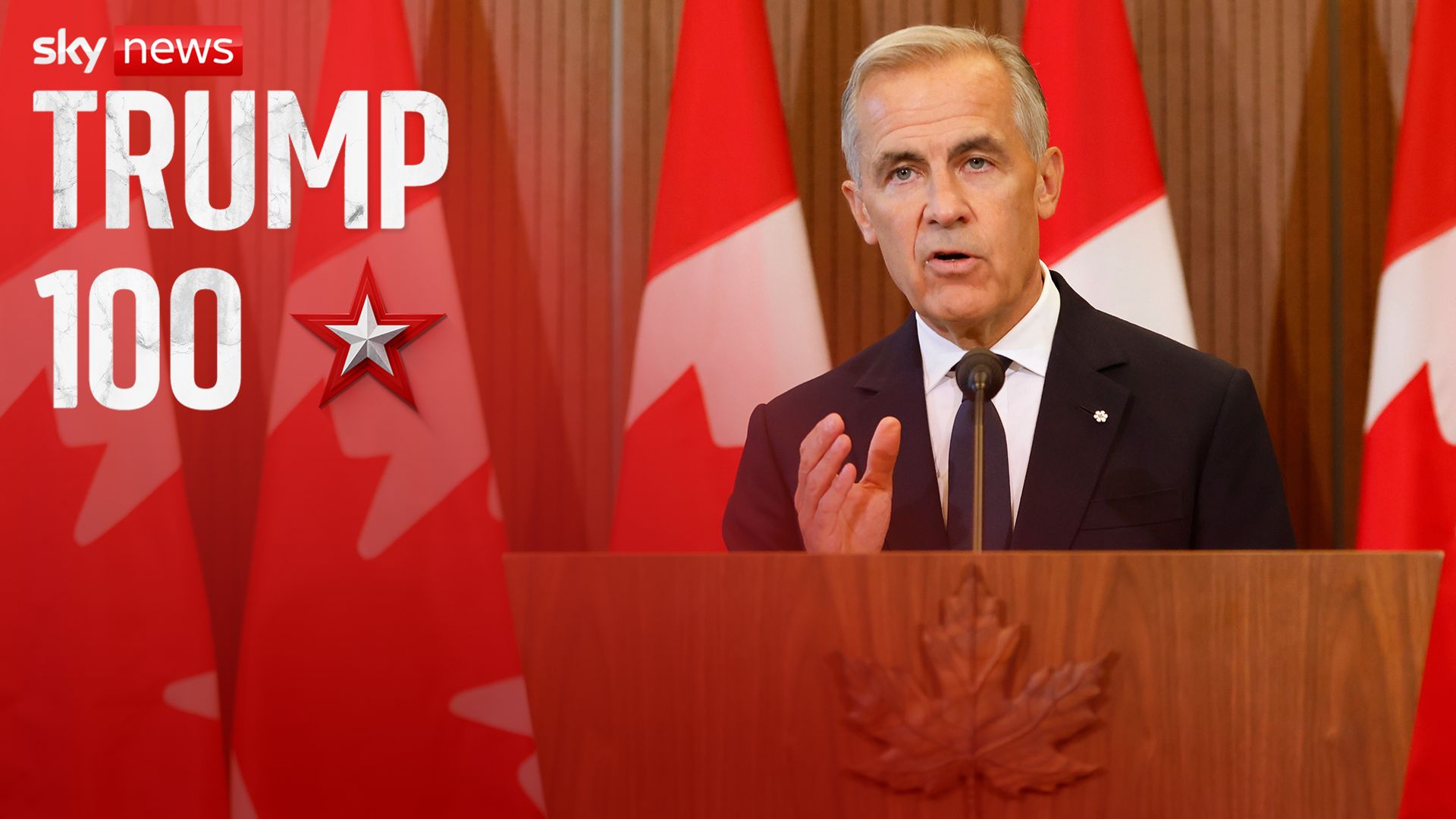
Donald Trump has imposed sweeping new tariffs on goods imported from Canada and Mexico, marking a significant escalation in trade tensions between the United States and its two largest trading partners. The move, announced during his second term, targets a wide range of products including steel, aluminum, and agricultural goods, effectively raising the cost of doing business for companies that rely on cross-border supply chains. This decision comes shortly after similar measures were taken against China, signaling a broader strategy to reshape global trade dynamics through aggressive protectionist policies. The tariffs are set to take effect immediately, catching many businesses and governments off guard and sparking immediate concerns about economic retaliation and supply chain disruptions.
The decision to target Canada and Mexico is driven by Trump’s long-standing argument that existing trade agreements have failed to protect American industries and jobs. While the United States-Mexico-Canada Agreement (USMCA) replaced the North American Free Trade Agreement (NAFTA) in 2020, Trump has consistently criticized it for not going far enough to curb immigration and ensure fair trade practices. He has linked these tariffs to border security issues, particularly regarding the flow of illicit drugs like fentanyl across the southern border. By leveraging economic pressure, the administration aims to force neighboring countries to adopt stricter enforcement measures and renegotiate terms that favor American manufacturing. This approach reflects a shift from multilateral cooperation to unilateral action, prioritizing domestic political goals over established international trade norms. Experts note that such tariffs often stem from a desire to demonstrate strength and address voter concerns about job losses and national sovereignty, even if the economic benefits are debated.
The immediate reaction from Canadian and Mexican officials has been one of shock and condemnation, with both governments warning of severe economic consequences. Canada’s Prime Minister Justin Trudeau described the tariffs as unjustified and harmful to the integrated North American economy, while Mexico’s President Claudia Sheinbaum vowed to respond with countermeasures to protect its industries. The automotive sector, which relies heavily on integrated supply chains across all three countries, faces particular risk, as parts often cross borders multiple times before a final vehicle is assembled. Farmers in the Midwest and South are also worried, as they have lost significant export markets in previous trade disputes. Stock markets reacted negatively to the news, with investors bracing for volatility and potential inflationary pressures. Analysts suggest that while tariffs might protect specific domestic industries, they could lead to higher prices for consumers and reduced competitiveness for American exporters who rely on foreign materials.
Looking ahead, the situation remains fluid, with both sides engaging in rapid diplomatic communications to potentially reach a compromise. The Trump administration has indicated that it is open to negotiations if Canada and Mexico agree to stricter border controls and trade concessions. However, history suggests that such disputes can drag on for months or even years, creating uncertainty for businesses and governments alike. The outcome will have far-reaching implications for the North American economy, potentially reshaping supply chains and altering the balance of power in global trade. If the tariffs remain in place, they could lead to a fragmentation of the regional economy, forcing companies to seek alternative markets and suppliers. This development underscores the growing instability in international trade relations and the increasing use of economic tools as instruments of foreign policy. The coming weeks will be critical in determining whether this is a short-lived bargaining tactic or a fundamental shift in how the United States engages with its closest neighbors.
Read Full Story at Sky News →