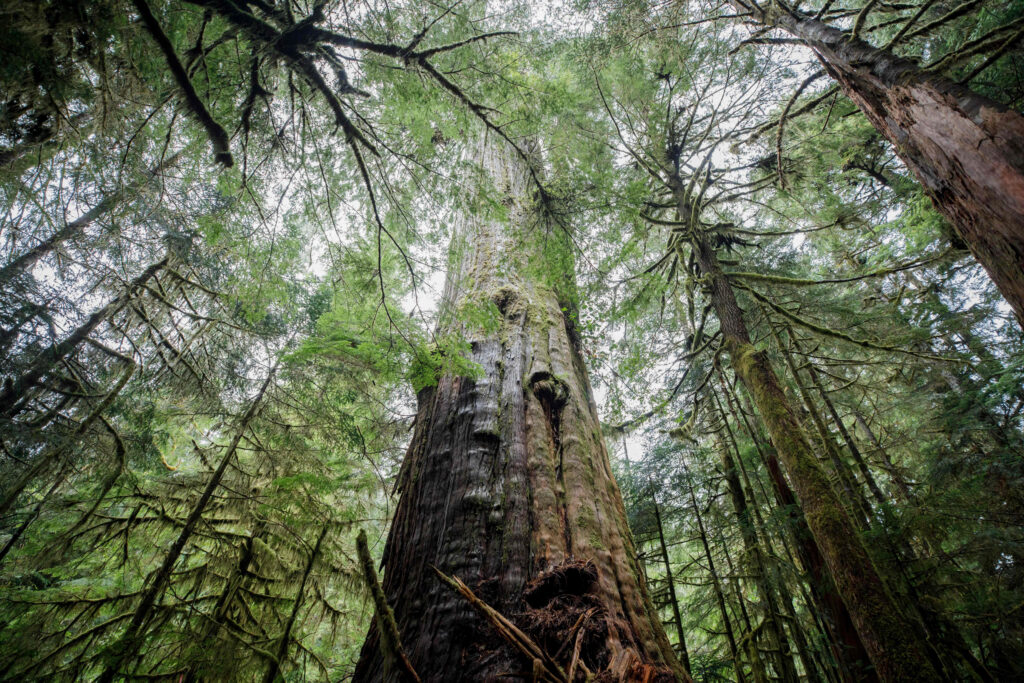
Why natural forests survive heat waves better than planted forests
When a record-breaking drought and heat wave swept across China's Yangtze River Basin in 2022, forests across the region faced an extreme test. The event provided a rare opportunity for researchers to

When a record-breaking drought and heat wave swept across China's Yangtze River Basin in 2022, forests across the region faced an extreme test. The ev
Read Full Story at Phys.org →Why This Matters
The survival of natural forests during extreme heat events isn't just an ecological footnote—it's a critical resilience indicator for climate adaptation strategies. Understanding why monoculture plantations falter while diverse ecosystems endure could redefine reforestation priorities in regions facing intensifying heat waves. The findings challenge long-held assumptions about the uniformity of forest resilience and underscore the value of biodiversity in climate-proofing landscapes.
Background Context
China's 2022 Yangtze River Basin crisis wasn't an isolated anomaly but the culmination of decades of environmental strain, from industrial water diversion to the rapid expansion of fast-growing timber plantations that prioritized volume over ecosystem function. While natural forests in the region often trace their origins to pre-industrial regimes, many planted forests were established in the late 20th century under policies incentivizing quick carbon sequestration—without accounting for thermal tolerance or soil moisture retention.
What Happens Next
Governments and conservation groups may pivot toward "climate-smart reforestation," favoring native species over commercial monocultures in heat-prone zones. The debate over forest management subsidies could intensify, with pressure to fund research into drought-resistant genotypes versus maintaining short-term timber yields. Meanwhile, remote sensing technologies will likely play a larger role in monitoring forest stress in real time, potentially reshaping early warning systems for ecosystem collapse.
Bigger Picture
This phenomenon reflects a global pattern where biodiversity-rich ecosystems outperform engineered ones under stress, from coral reefs to agricultural monocultures. As climate models predict more frequent "flash droughts," the forestry sector's reliance on a narrow genetic base may become a liability—highlighting the need for systemic shifts in how we design and finance restoration projects. The lesson extends beyond China: the resilience gap between natural and planted systems could become a defining challenge of the Anthropocene.