Cape leopards shrink 50% after 20,000 years
South Africa’s Cape leopards are genetically distinct and half the size of other leopards after 20,000 years of isolation, yet they retain high genetic diversity, defying typical evolutionary expectat
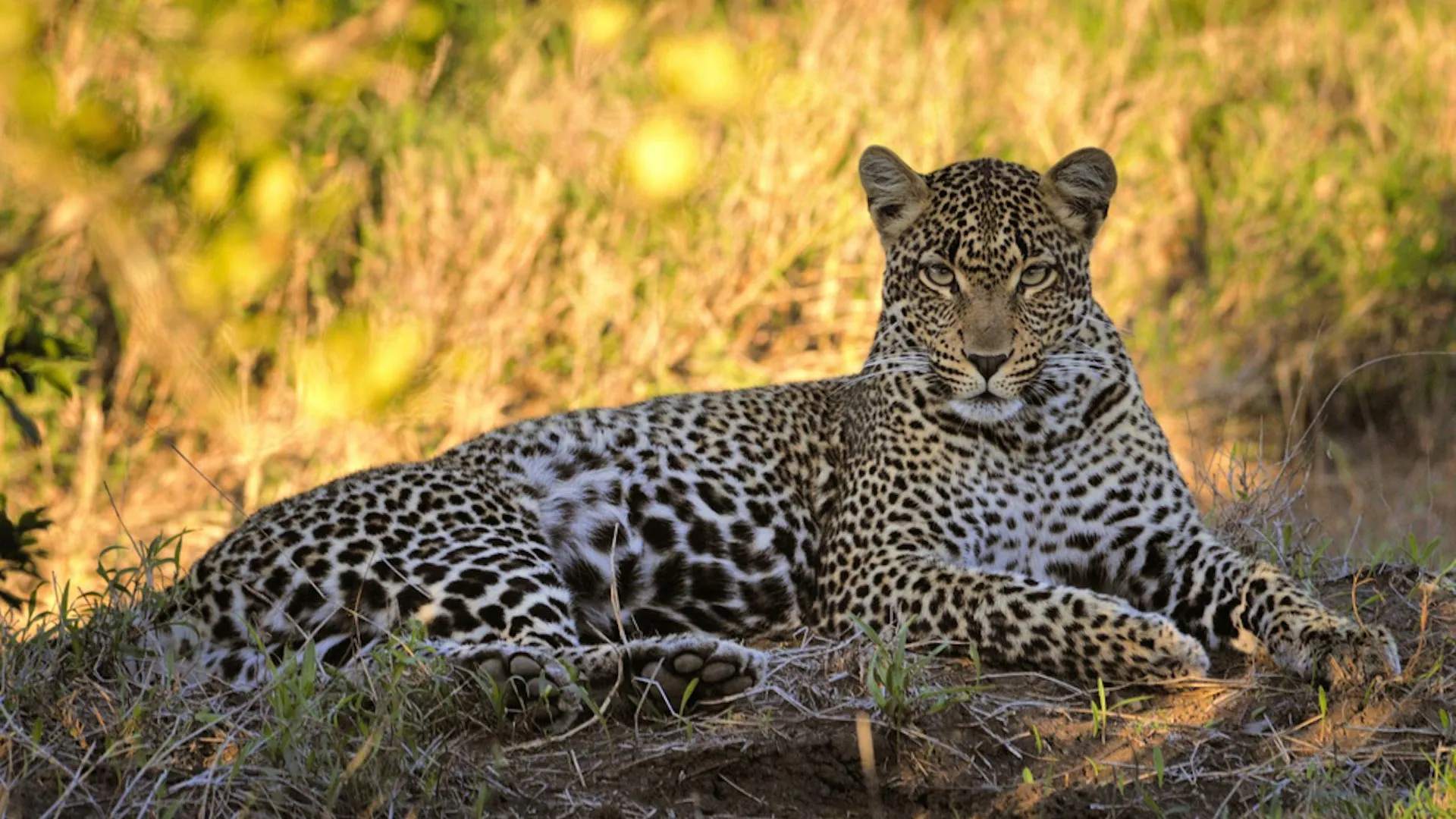
Genetic research has uncovered why leopards living in South Africa’s Cape Floristic Region have shrunk to half the size of their African counterparts.
Read Full Story at ScienceDaily →Why This Matters
The evolutionary mystery of South Africa’s dwarfed leopards challenges long-held assumptions about isolation and genetic adaptation, offering a rare window into how extreme ecological pressure can reshape species over millennia. Their resilience—despite shrinking to half the size of their mainland counterparts—raises critical questions about biodiversity resilience in fragmented habitats worldwide.
Background Context
These leopards, confined to the Cape Floristic Region, have endured 20,000 years of geographic isolation, a period spanning the last Ice Age and the rise of modern human settlements. Unlike other isolated species, which often suffer from inbreeding, their unexpectedly high genetic diversity suggests a complex interplay of survival strategies, possibly tied to a historically diverse prey base or adaptive behaviors.
What Happens Next
Climate change and urban expansion could further fragment their habitat, accelerating the loss of genetic traits that enabled their survival. Conservationists may need to reconsider traditional approaches, as protecting these leopards may require preserving not just land, but the unique evolutionary pressures that shaped them.
Bigger Picture
This case underscores a growing trend in evolutionary biology: isolated populations don’t always follow the script of decline. Instead, they may reveal unexpected pathways to adaptation, forcing scientists to rethink how climate shifts and human activity reshape life on Earth over deep time.







