Wildfire smoke has reversed US progress toward ozone air quality, study finds
Since 2015, fires have undone years of effort to reduce ozone levels, underscoring a growing public health crisis The highly destructive wildfires that have battered the US and North America in recent years have significantly increased emissions and been linked to tens of thousa
Since 2015, fires have undone years of effort to reduce ozone levels, underscoring a growing public health crisis
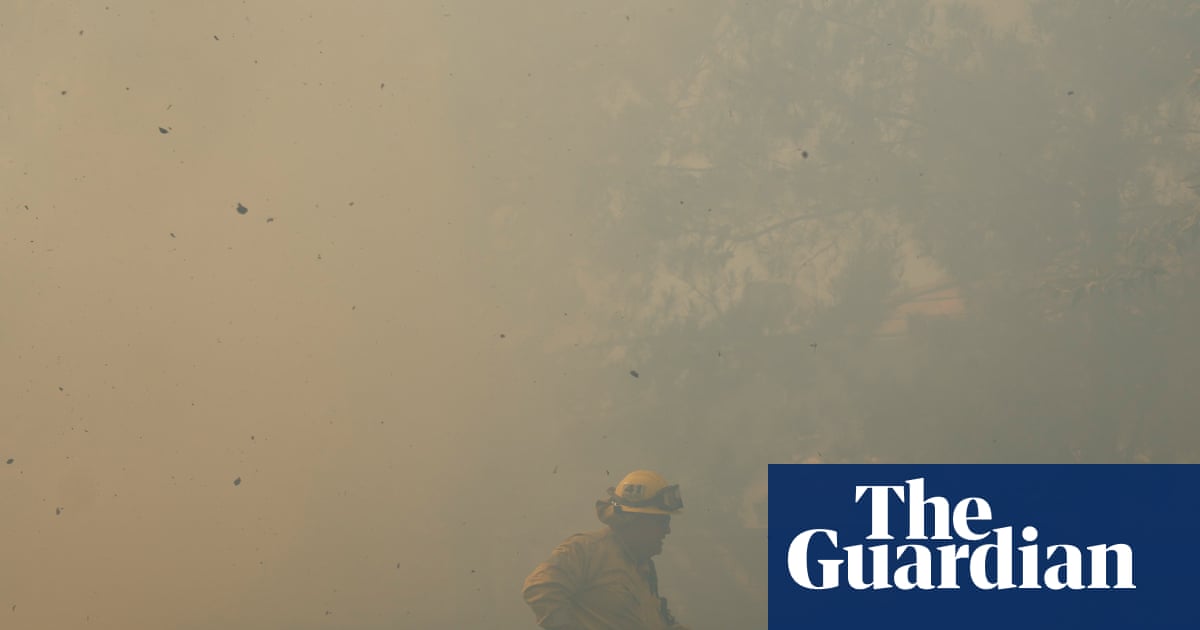
The highly destructive wildfires that have battered the US and North America in recent years have significantly increased emissions and been linked to tens of thousands of premature deaths, but their impact on air quality is greater than previously known, according to new research.
A study published in Science on Thursday found that, since 2015, wildfires have reversed US progress toward ozone air quality standards, as the worsening pollution caused by wildfire smoke has undone years of efforts to reduce emissions. Ground-level ozone (O3) is created when pollutants from cars, refineries and industrial sources react with sunlight, according to the Environmental Protection Agency.
Wildfires also create their own massive ozone problem as they emit carbon monoxide and other gases that can contribute to the formation of ozone, and smoke, which can spread far beyond the source of a fire, can lead to increasing ozone hundreds of miles away.
“Despite regulated reductions in anthropogenic emissions of O3 precursors, observation stations indicate that policy-relevant surface O3 levels have plateaued,” Weizhi Deng and other authors wrote. In other words, despite emissions of the chemicals that create ozone pollution going down, the amount of ground-level ozone has stopped declining . The study links this plateau to wildfire emissions and finds that the rise in O3 emissions is correlated with premature deaths, some 318 each year since 2013.
There were limited ground measurements available to researchers, as the US Environmental Protection Agency’s monitoring stations cover only 2% of land in the continental US, the study noted.
But researchers developed a dataset by evaluating information from satellites and the EPA as well as meteorological data with deep learning models. They ultimately found that O3 went from decreasing by 0.65 parts per bn (ppb) per year before 2015 to rising 0.13ppb annually after that year.
Wildfires are worsening around the world with global heating leading to extreme blazes and causing billions of dollars in damage and catastrophic loss of life. Canada and the American west have seen particularly devastating fires in recent years.