Wildfire smoke poses greater prenatal health risk than traditional pollutants
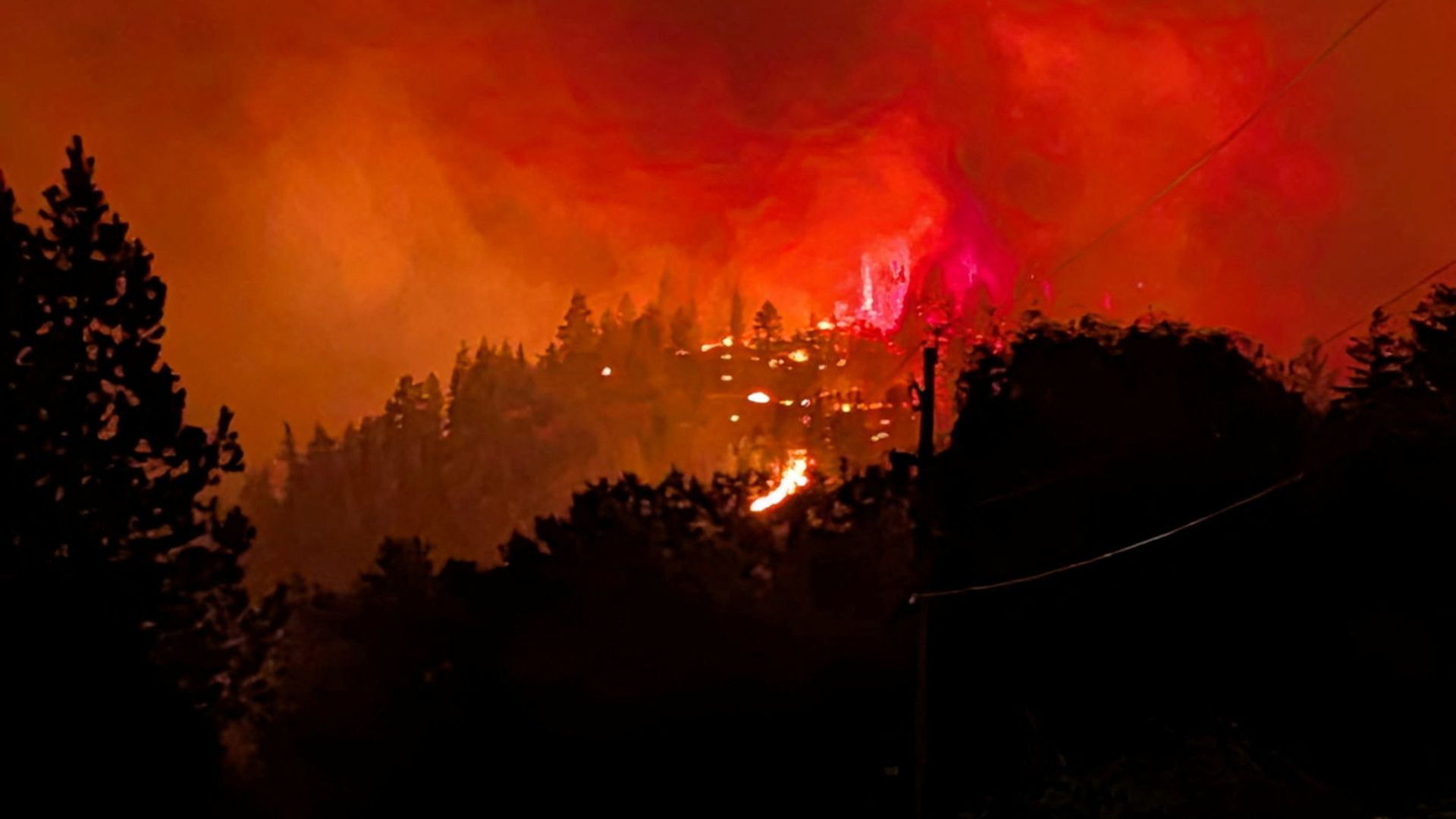
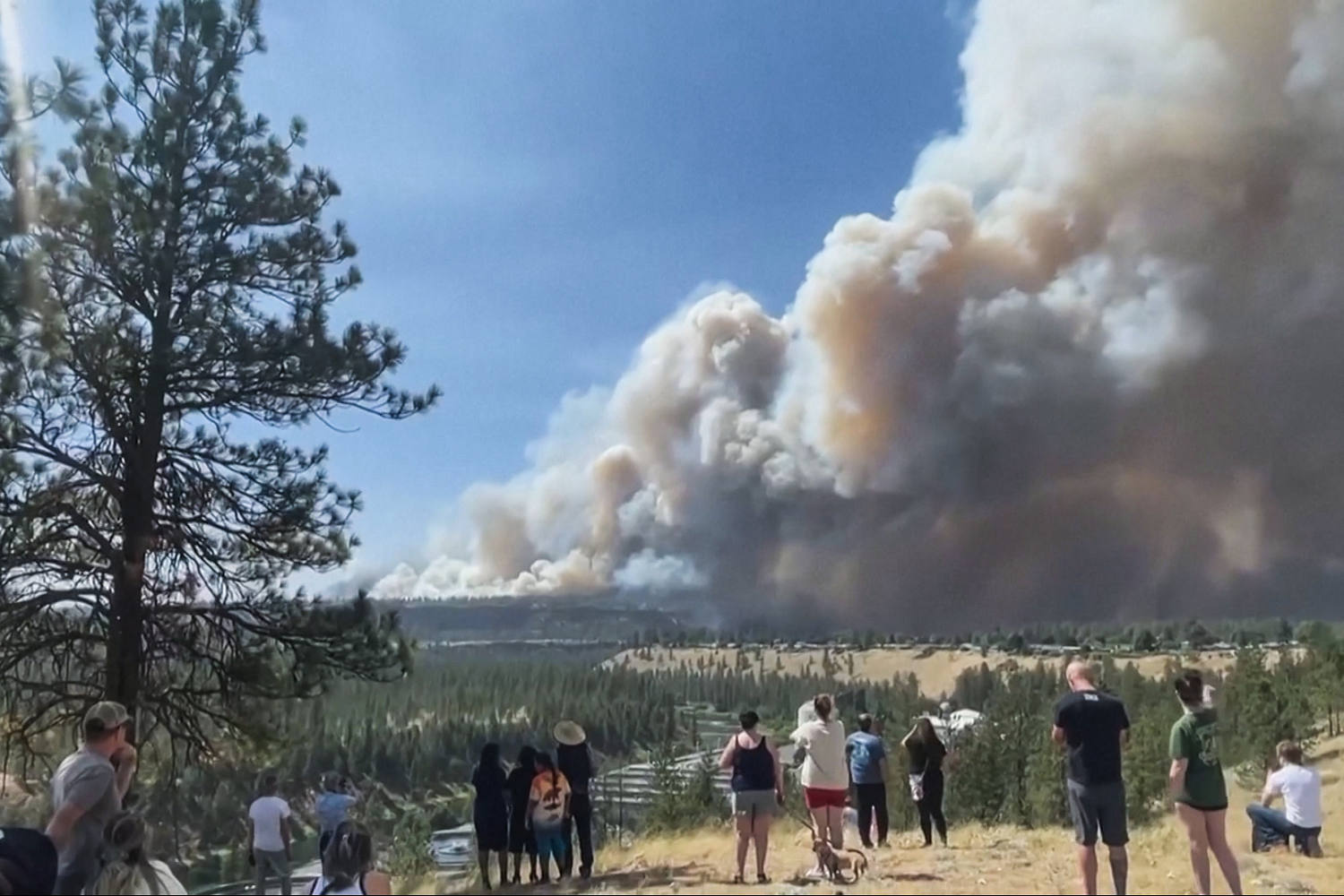
Wildfire smoke now poses a greater prenatal health risk than traditional air pollution sources, due to increasing wildfire frequency and intensity driven by climate change. This shift threatens progr…
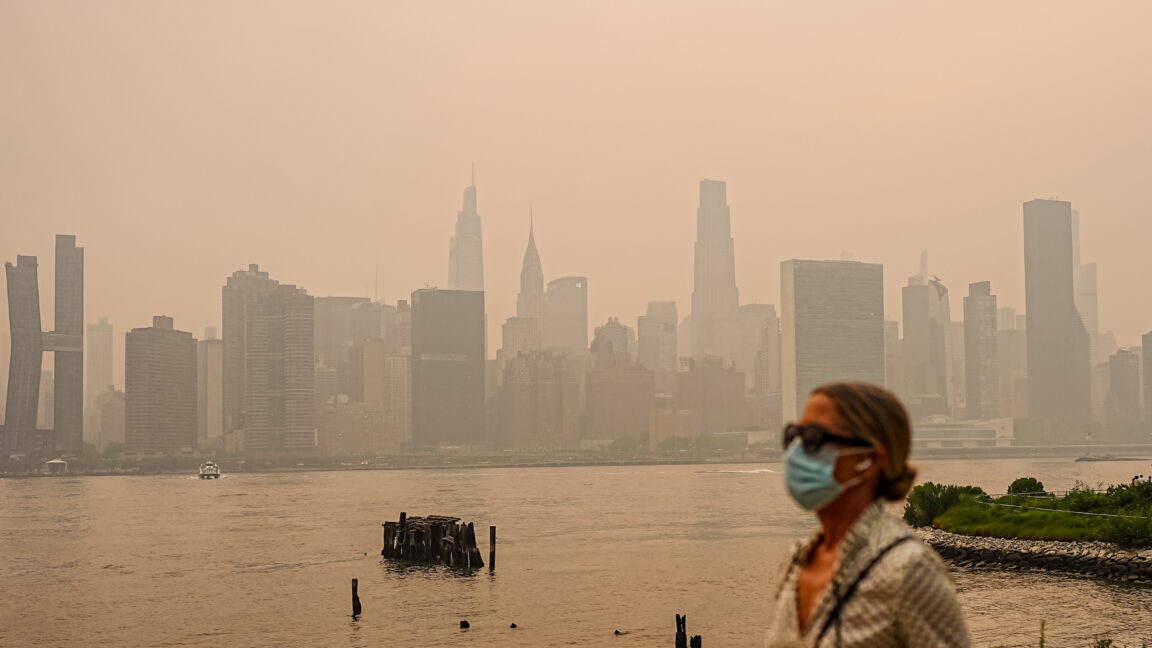
New research indicates that smoke from wildfires now poses a greater risk to prenatal health than traditional human-made sources of air pollution. This shift has emerged as wildfire seasons grow longer and more intense, particularly in regions like the Western United States. The findings suggest that the increased prevalence of wildfire smoke is reversing progress made in reducing harmful emissions during pregnancy.
Historically, regulations aimed at curbing emissions from vehicles and industries have led to cleaner air, benefiting maternal and fetal health. However, the rise in frequency and severity of wildfires, exacerbated by climate change, has introduced a new and significant threat to air quality. Smoke from these blazes contains harmful particulate matter and toxic chemicals that can affect fetal development, increasing the risk of low birth weight, preterm birth, and developmental issues in children.
The research highlights alarming statistics that show pregnant individuals exposed to wildfire smoke are at higher risk than those exposed to typical urban pollution. As wildfires become more common, especially in drought-stricken areas, public health experts are calling for urgent measures to address this growing crisis. The overlap of increased wildfire activity and the ongoing effects of climate change creates a dual challenge for policymakers and health authorities.
Moving forward, communities must adapt to the reality of prolonged wildfire seasons. This includes establishing better air quality monitoring systems and implementing regulations to protect vulnerable populations. Public health initiatives must prioritize education about the risks associated with wildfire smoke, especially for pregnant individuals. As climate change continues to fuel wildfires, addressing this new source of air pollution will be crucial for safeguarding maternal and child health.
Read Full Story at Ars Technica →