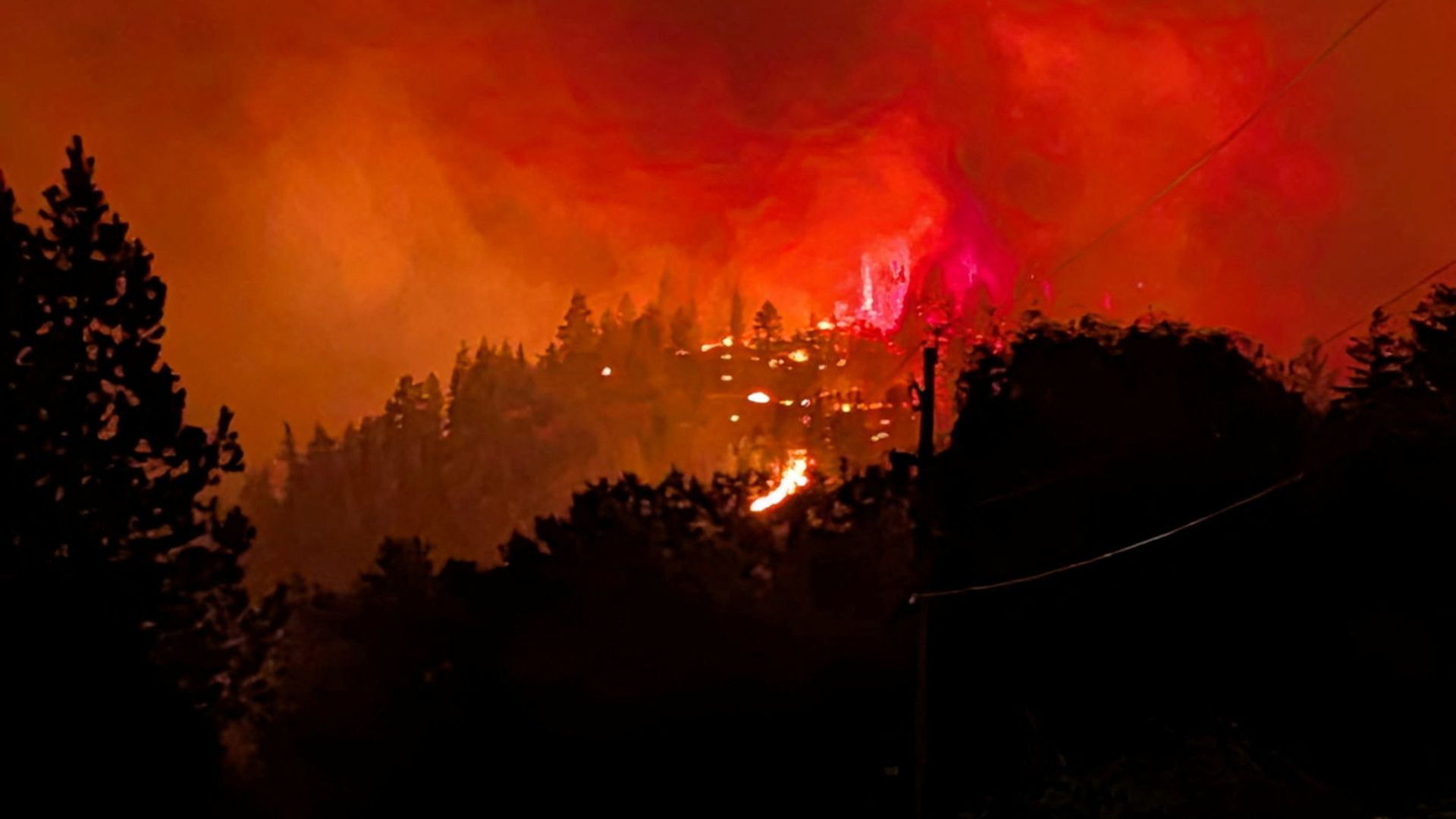
Study reveals wildfires destroyed 4 million hectares of protected forest since 2001
Since 2001, over 4 million hectares of protected tropical forest—twice the size of Wales—have been destroyed by wildfires, highlighting an urgent need for improved fire management and environmental p…

Over 4 million hectares (9.9 million acres) of protected tropical forest—an area double the size of Wales—have been lost to wildfires since 2001, according to a recent study. The research highlights the alarming scale of forest destruction, emphasizing the urgent need for better fire management and environmental protection.
The loss of these forests is significant because they play a crucial role in combating climate change. Tropical forests are vital carbon sinks, absorbing carbon dioxide and helping to regulate the Earth’s climate. The destruction of these ecosystems not only releases stored carbon back into the atmosphere but also threatens biodiversity, as many species rely on these habitats for survival. The study comes at a time when global attention is focused on climate issues, with many countries pledging to reduce emissions and protect natural resources.
Several factors have contributed to the increase in wildfires in tropical regions. Deforestation for agriculture, logging, and urban development has left many areas vulnerable to fire. Climate change has also played a role, with rising temperatures and prolonged droughts creating conditions that favor wildfires. In some cases, land management practices, such as slash-and-burn agriculture, have exacerbated the problem, leading to uncontrollable blazes that spread rapidly.
Looking ahead, the findings underscore the need for immediate action. Governments and organizations must prioritize the protection of these forests, implementing stricter fire management policies and promoting sustainable land use practices. International cooperation will be essential, as many of the affected areas span national borders. The loss of protected tropical forests not only threatens the environment but also undermines efforts to achieve global climate targets. Addressing this crisis is critical for future generations and the health of our planet.
Read Full Story at Phys.org →