Wired vs. wireless charging: Which is better for battery health?
And does it matter if your phone heats up? Does wireless charging deplete battery health? Does it matter that your smartphone feels warm while charging? The short answer to both is yes, but for most…
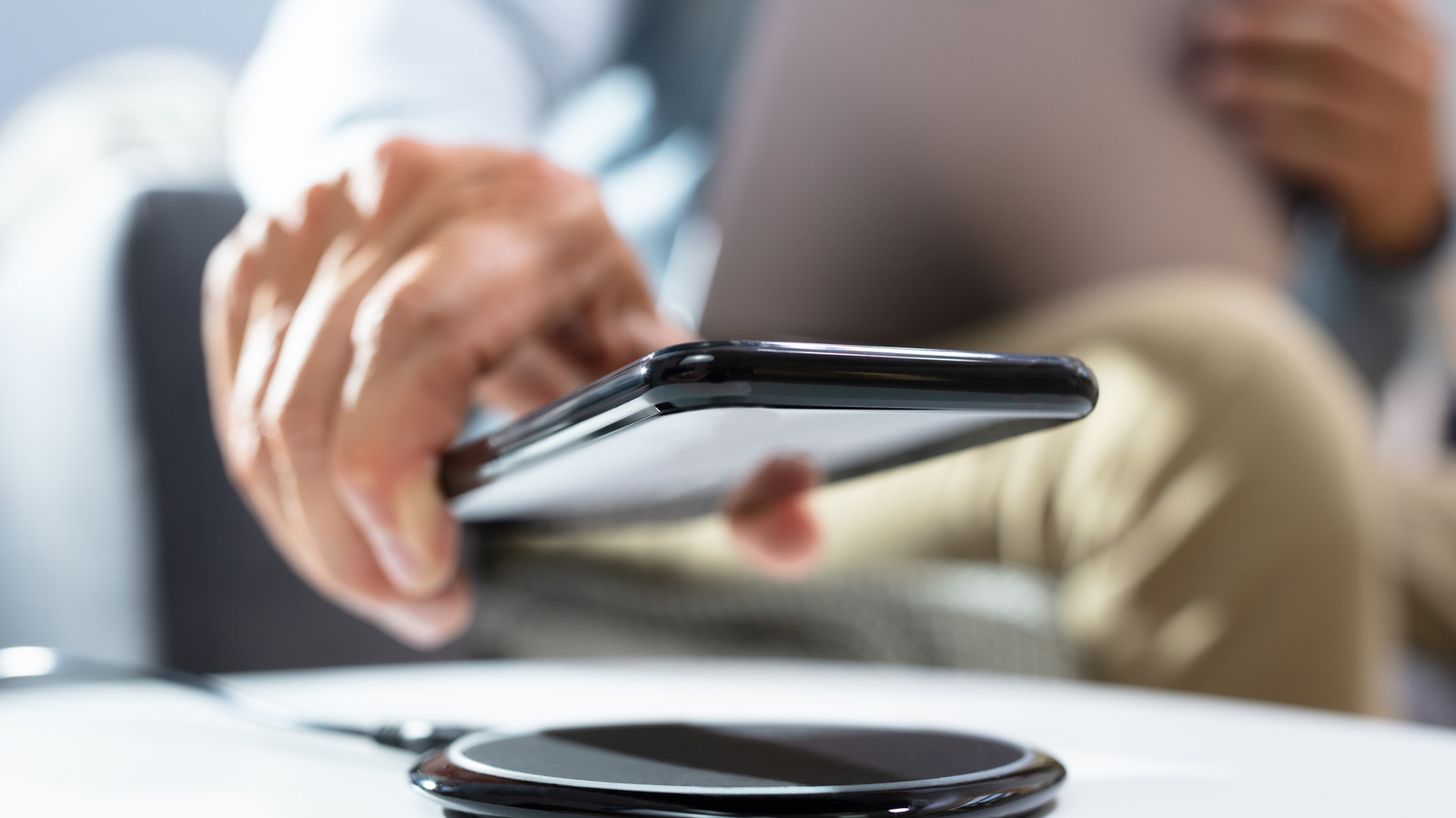
Does wireless charging deplete battery health? Does it matter that your smartphone feels warm while charging? The short answer to both is yes, but for most people, the optimal balance between convenience and better battery life is to use wireless charging for battery top-ups during the day and leave wired charging for overnight power-ups.
When you charge up your smartphone using a cable and power adapter, energy flows from the source through the adapter straight to your phone.
Wireless charging takes more steps to do the same thing. It uses an electromagnetic induction field to send power into the phone. The charging pad pushes electricity around an internal wire coil that magnetically passes energy across to a similar coil inside your phone. So, when you use a wireless charger, the energy flows from the source into an adapter and into the charging device, hops across to your phone to be converted into energy, and recharges the lithium battery in your device.
That means charging systems approved by the Wireless Power Consortium (WPC) Qi2 standard are up to 30 percent less efficient at getting power into your device than using a cable. The energy that doesn't make it has to go somewhere, which is why it converts into heat, warming your charger and your phone. That heat can deplete battery life over time, reducing capacity by up to 12 percent over two years, or up to 25 percent in hot environments.
You should use a Qi-certified wireless charging system from a trusted manufacturer, because noncompliant or poorly manufactured systems can overheat. To prevent unsafe heat buildup while charging, Qi-compatible smartphones and devices work together to adjust current and voltage while the process is taking place.
Driven by the standard, manufacturers are improving their support for wireless charging. Apple's iPhone 18 Pro reaches up to 50 percent battery life in 15 minutes using a 60W-capable adapter and USB-C cable, but the same process takes 30 minutes with a Qi2 wireless charger. Older smartphones aren't built for fast charging, and they cap at up to 15W, so charging takes longer.
Wattage matters: It takes longer to charge your phone on an old 10W system than on a current 25W fast charger. The power adapter you use is also important: A 25W charger using an old 5W power brick will only deliver a slow 5W charge.
Good smartphones do possess built-in power management and can safely be left connected to power (wireless or wired) overnight.
Read Full Story at Engadget →